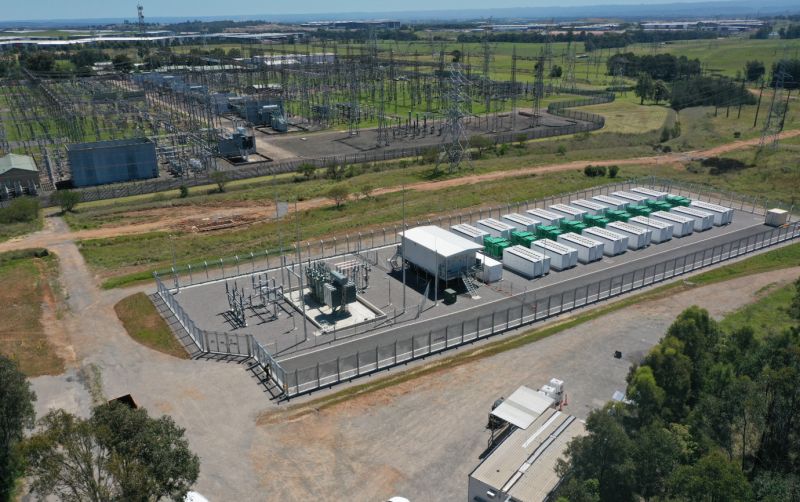





Transgrid announced it is negotiating with the developers of nine battery energy storage projects configured in grid-forming mode to bolster the strength or ‘heartbeat’ of the state’s power system as ageing coal-fired generators continue to exit the transmission network.
“Third-party owned batteries are integral to our system strength plan, because they enable us to accelerate the strengthening of the grid without the cost associated with acquiring new plant or major network upgrades,” Transgrid Executive General Manager Network Jason Krstanoski said, adding that by negotiating to secure services from up to nine batteries ensures “there is strong competition on price and contract terms so we can select the battery fleet that provides optimal value.”
While Transgrid has not yet named the shortlisted projects, Krstanoski said they have been selected after technical modelling determined priority locations across the grid.
“Our initial procurement process is focused on batteries that already exist, or are in the advanced stages of development, in specific locations on our network to address gaps in system strength as they emerge,” he said.
The first of the shortlisted batteries are expected to begin coming online in the second half of 2026.
The contracting of grid-forming battery energy storage systems is expected to form up to half of Transgrid’s solution to keep the NSW grid stable as it transitions to renewable energy over the coming decade. The network operator is also deploying synchronous condensers to replace system strength that comes from retiring coal-fired power plants.
“By 2033, we are ultimately targeting 5 GW of stabilising services from third-party owned batteries to complement the proven grid-strengthening role played by synchronous condensers,” Krstanoski said.
This initial procurement process is expected to be followed by periodic tenders in 2026 and beyond, so that Transgrid can continue to add additional stabilising battery capacity to its system strength portfolio.
“Our requirements will continue to evolve as the transition progresses, so we look forward to engaging with a wider pool of battery owners in future procurement rounds,” Krstanoski said.
This content is protected by copyright and may not be reused. If you want to cooperate with us and would like to reuse some of our content, please contact: editors@pv-magazine.com.




By submitting this form you agree to pv magazine using your data for the purposes of publishing your comment.
Your personal data will only be disclosed or otherwise transmitted to third parties for the purposes of spam filtering or if this is necessary for technical maintenance of the website. Any other transfer to third parties will not take place unless this is justified on the basis of applicable data protection regulations or if pv magazine is legally obliged to do so.
You may revoke this consent at any time with effect for the future, in which case your personal data will be deleted immediately. Otherwise, your data will be deleted if pv magazine has processed your request or the purpose of data storage is fulfilled.
Further information on data privacy can be found in our Data Protection Policy.