




The Clean Energy Council’s (CEC) Clean Energy Australia 2026 report shows renewable energy generated 42.7% of Australia’s electricity last year, up from 38.9% in 2024, but also highlighted a slowdown of investment in new solar and wind.
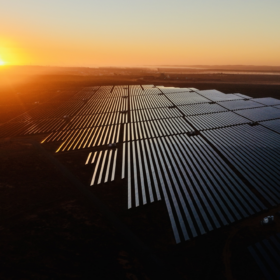
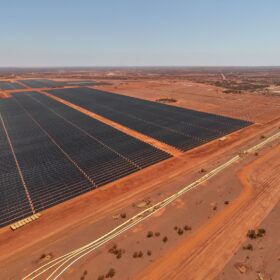
The CEc said Australia’s rooftop solar installation provided 13.9% of the nation’s electricity in 2025 while the share of generation from utility-scale solar increased to 7.7%, up from 6.8% the previous year. Across the last quarter of the year, renewable energy supplied more than 50% of electricity in the NEM for the first time.
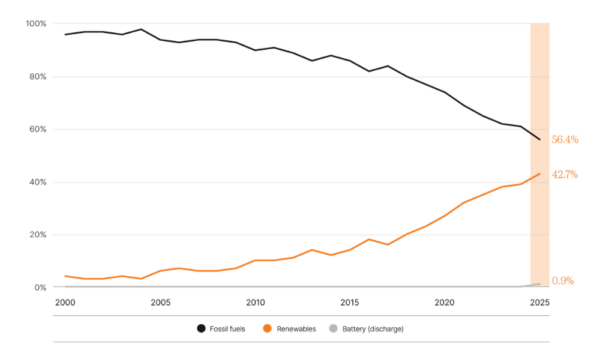
Image: CEC
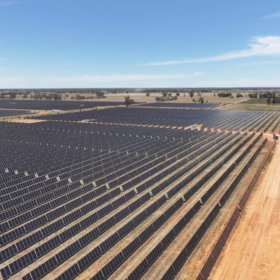
The report shows 5.9 GW of new renewable generation capacity reached completion in 2025, up 28.3% year-on-year. This included 2.6 GW of rooftop solar, down 19% on the previous year, while18 utility-scale solar projects totalling 2 GW were commissioned, a 100% increase on the 2024 total.
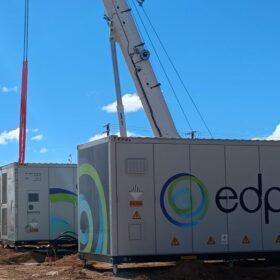
Australia’s battery market also surged with a 260% increase in home battery sales and a 233% rise in large-scale battery capacity, helping Australia to become the third-largest utility-scale battery market in the world, behind only China and the United States.
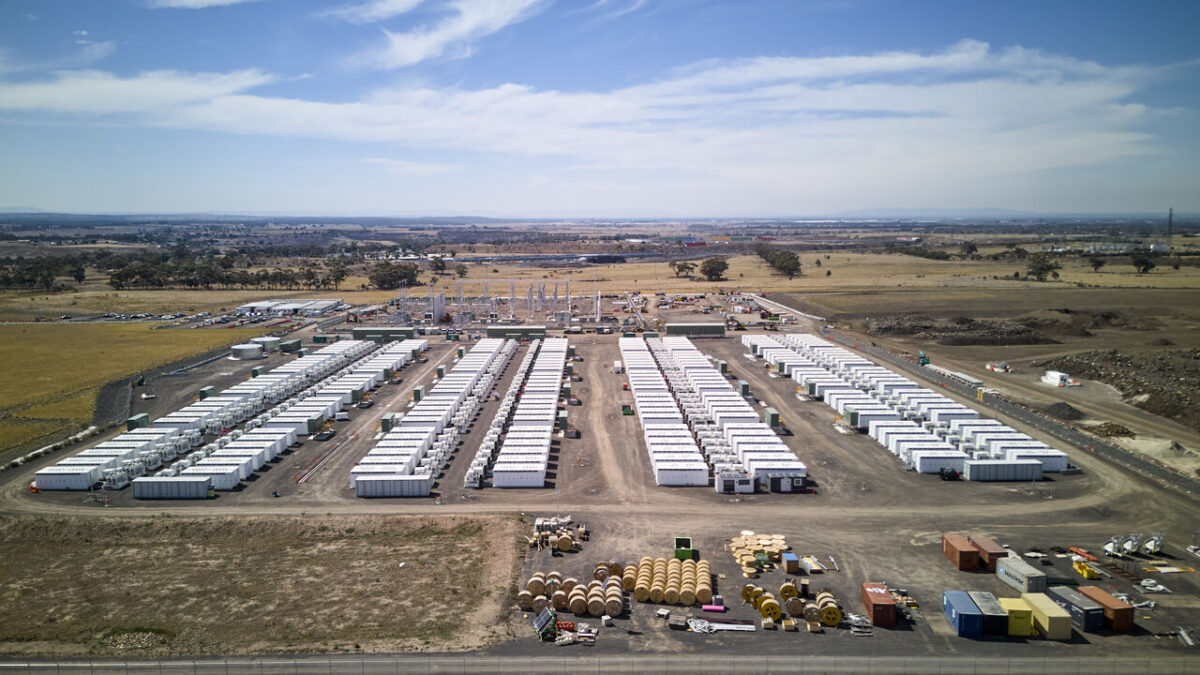
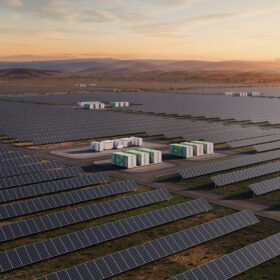
Twelve large-scale battery projects totalling 2 GW of capacity were commissioned across the National Electricity Market (NEM) and the South West Interconnected System (SWIS) in 2025, up from 600 MW in 2024.
Small-scale storage uptake also took off in a big way with 268,675 home batteries purchased during the year, up from the 74,582 rolled out in 2024.
While Australia’s renewable energy transition is gathering momentum, the CEC warned a challenging development environment is having a negative influence on investment in new generation.
“In 2025, a range of factors, including rising inflation, regulatory bottlenecks, slow transmission delivery, and the prolonged phase-out of coal stations, soured investment confidence in new generation,” the report says.
“Only 2.3 GW of large-scale renewable generation reached financial close during the year, down from 4.4 GW in 2024 and one of the lowest levels in the past decade.”
Investment in large-scale solar eased with 1.4 GW reaching financial close, down from 2 GW in 2024. This despite utility-scale solar costs declining for the second consecutive year down 8%.
By contrast, investment in storage remained strong with 4.3 GW / 13.5 GWh of large-scale battery capacity reaching financial close across 20 projects, on par with the previous two years. Capital costs for large-scale batteries fell by about 20%.
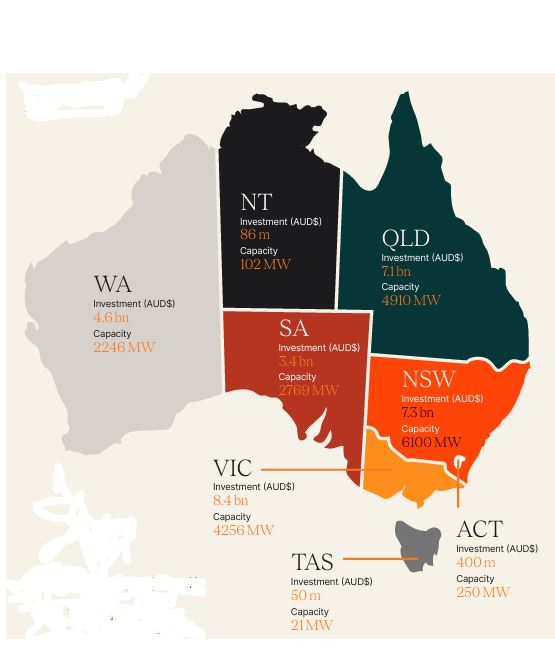
Image: CEC
While there was a slowdown in investment, the CEC said capital and capability are not the constraint with a record 64 GW of generation and storage capacity waiting for grid connection.
“But we are failing to convert this pipeline into committed investment,” the report says. “The gap between what is being built and what is required is widening. Even when combined with rooftop solar growth, current investment levels fall well short of the pace needed to meet future energy demand and system requirements.”
CEC Chief Executive Officer Jackie Trad said the next phase of the transition needs clear, consistent and bankable policy settings and timely project approvals to restore investment confidence.
“Australia’s clean energy transition is at a critical juncture,” she said. “Renewables are supplying nearly half our electricity … but we need to be honest about where we are, and where we need to be.”
“The number that demands attention is going in the wrong direction: financial commitments for large-scale wind and solar is at a decade low. That is a gap we must close.”
Trad said the sector’s highest priority in 2026 must be to remove the barriers slowing investment in new large-scale solar and wind projects that will ultimately replace coal generators.
“Critical government programs are in place and private capital is ready to deploy,” she said.
“But billions of dollars in projects are being held back by structural barriers, such as connection delays and capacity, planning bottlenecks, curtailment, and gaps between policy signals and project economics. All are within the power of state governments and regulators to fix.”
This content is protected by copyright and may not be reused. If you want to cooperate with us and would like to reuse some of our content, please contact: editors@pv-magazine.com.


By submitting this form you agree to pv magazine using your data for the purposes of publishing your comment.
Your personal data will only be disclosed or otherwise transmitted to third parties for the purposes of spam filtering or if this is necessary for technical maintenance of the website. Any other transfer to third parties will not take place unless this is justified on the basis of applicable data protection regulations or if pv magazine is legally obliged to do so.
You may revoke this consent at any time with effect for the future, in which case your personal data will be deleted immediately. Otherwise, your data will be deleted if pv magazine has processed your request or the purpose of data storage is fulfilled.
Further information on data privacy can be found in our Data Protection Policy.