David Carroll

Zenith reaches agreement for gold mine renewables
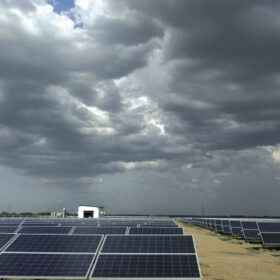
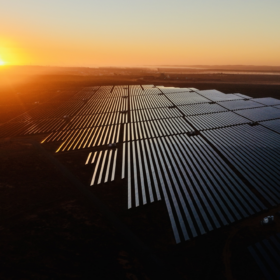
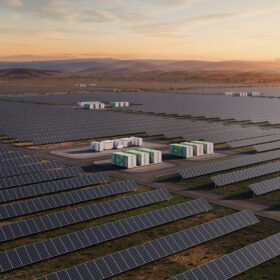
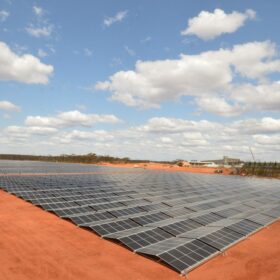
Remote power specialist Zenith Energy has signed on to deliver a hybrid renewable energy system – including 138 MW of solar and a 300 MWh battery – to help power Northern Star Resources’ gold mining operations near Kalgoorlie-Boulder in Western Australia.

Rooftop solar install rates reach 2025 high
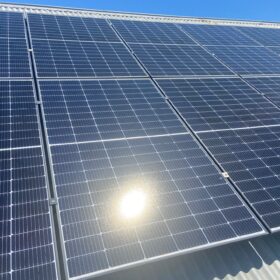
The latest monthly update from market analyst SunWiz shows 279 MW of new rooftop solar capacity was registered across Australia in November 2025, up 28 MW on the 251 MW that was installed during the previous month.
TagEnergy locks in long-term toll deal for Golden Plains battery
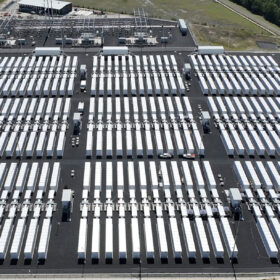
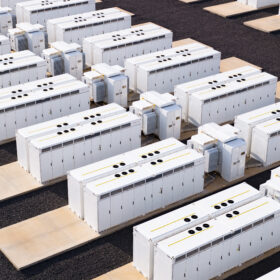
Renewables developer TagEnergy has locked in the first long-term offtake deal for the 150 MW / 600 MWh Golden Plains battery project being built in Victoria’s western districts.
Sunman to build 500 MW solar panel manufacturing plant in NSW
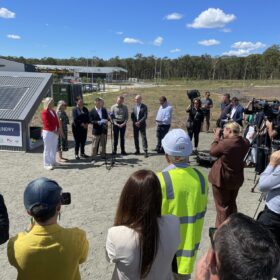
Chinese manufacturer Sunman is to build a 500 MW per annum solar module production facility in the New South Wales Hunter Valley after securing funding support from both the state and federal governments.
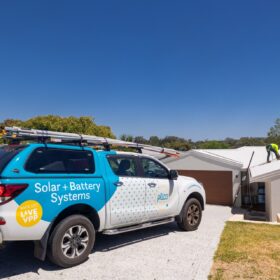
Plico eyes national rooftop solar and storage rollout with CEFC support
Western Australian clean energy tech provider Plico will target all states and territories with its combined rooftop solar, home batteries and virtual power plant offering after securing up to $35 million in federal government funding.
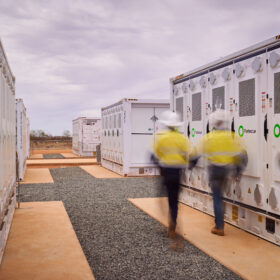
Fortescue delivers big battery to support Pilbara plans
Mining giant Fortescue’s decarbonisation plans have reached a new milestone with the delivery of a 50 MW / 250 MWh battery energy storage system at its North Star Junction site in Western Australia’s Pilbara region.
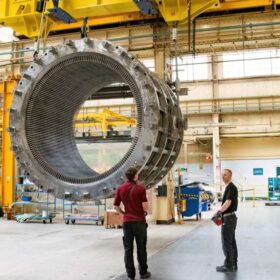
Synchronous condensers to play key role in system security says AEMO
The Australian Energy Market Operator says “timely investments” are essential to unlock the full value of renewables and reduce reliance on coal generators for system security as the nation’s clean energy transition continues.
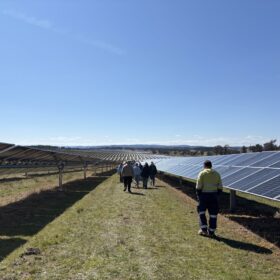
FRV seeks federal tick for NSW solar farm and beefed up battery
A redesigned hybrid solar and battery project now featuring 200 MW of PV generation and a beefed up 2.2 GWh of energy storage capacity planned for far northern New South Wales has joined the queue for federal environmental approval.
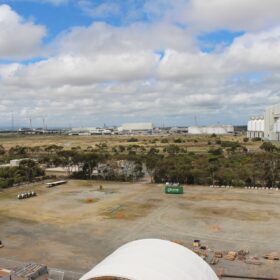
Engie breaks ground on South Australian battery
French-owned energy group Engie has commenced construction of a new large-scale battery that is says will deliver more capacity and flexibility to the South Australian electricity grid.

Misleading chart overstates clean energy challenge
Primary energy – which refers to the raw energy in fuels and natural resources – is often used to show how much energy we use but as a measure it is misleading and makes the clean energy switch seem much harder than it actually is.