Marija Maisch

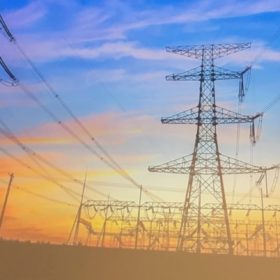
WoodMac: Grid congestion chokes renewables investments in Australia
Wood Mackenzie analysts have expressed concern over deteriorating renewable energy investment conditions in Australia, noting that greater clarity on transmission investment is needed to support the sector.
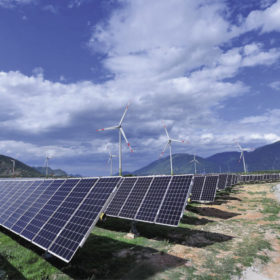
AEMO: The grid can handle 75% renewables by 2025
The Australian Energy Market Operator (AEMO) has found that the country already has the technical capability to safely operate a system where three-quarters of electricity comes from wind and solar. However, to do so it needs to get regulations right.
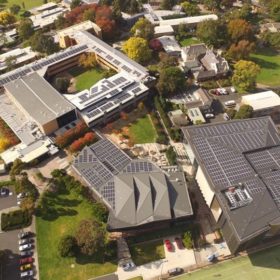
Victorian college to source 130% of its energy needs from renewables
Melbourne-based Presbyterian Ladies’ College has upped the ante on renewable energy with the installation of a massive rooftop PV array.
Australia’s biggest green hydrogen plant secures initial investment
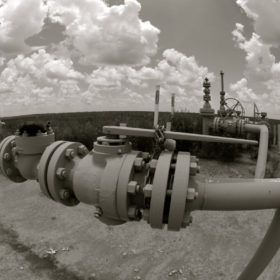
The Arrowsmith Hydrogen plant is the first of many green hydrogen projects across Western Australia being developed by Perth-based company Infinite Blue Energy.
NSW government to fast-track approvals for Snowy 2.0 project
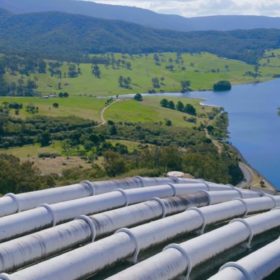
In a bid to boost the state’s economy and create jobs amid the Covid-19 crisis, the New South Wales government will accelerate the assessment of 24 projects, including the $4.6 billion Snowy 2.0 pumped hydro storage project.

Zero-emissions solutions are ready to roll, right when the economy needs them most
A major new report finds there is a pathway to zero emissions for every major economic sector in Australia. Over 18 months in the making, Decarbonisation Futures offers fresh ideas for how Australia can embrace the zero-emissions future that is visible on the other side of the pandemic, writes Amandine Denis-Ryan of ClimateWorks Australia.
NSW amends laws to pave the way for rooftop solar and big batteries
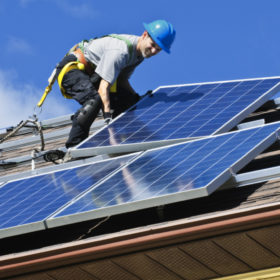
The New South Wales government has amended legislation to allow for larger-scale solar systems to be installed on homes and commercial buildings without council approval and to facilitate the installation of utility-scale batteries.
Constraints lifted for five West Murray solar farms
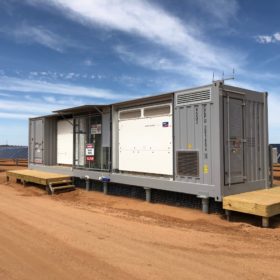
In a major feat for the energy sector, the Australian Energy Market Operator (AEMO) has provisionally lifted generation constraints imposed on five solar farms in the West Murray Zone, following the successful testing of new tuned inverter settings this week.
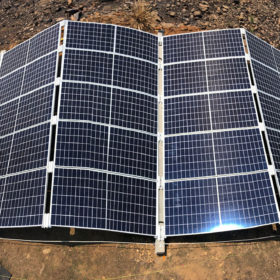
5B chooses Enphase inverters to bring power to bushfire communities
Sydney-based pre-fabricated solar array manufacturer 5B has selected Enphase IQ 7+ microinverters for the Resilient Energy Collective bushfire relief campaign. The initiative is looking to install stand-alone solar and Tesla battery systems at up to 100 sites around Australia affected by bushfires and floods.
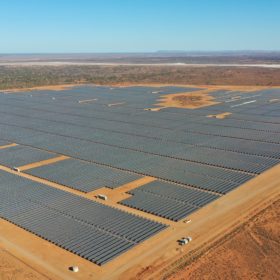
South Australia forecast to add nearly 1 GW of big PV over the next four years
With more than half of its electricity already supplied by wind and solar, South Australia is setting the bar high for how to efficiently decarbonize the grid. As it moves toward its 2030 target of “net” 100% renewables, the speed of the state’s energy transition will depend on a host of factors.