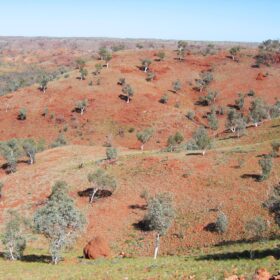
Yindjibarndi Energy projects join national renewables priority list
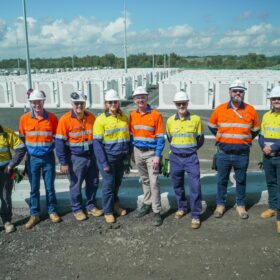
West Australian Indigenous-owned and operated Yindjibarndi Energy Corporation has had two of its projects prioritised for regulatory approval on the federal government’s national renewable energy priority list.
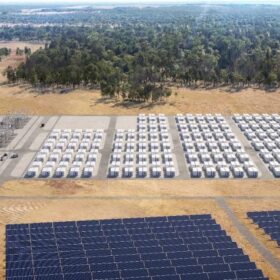
Ark Energy inks deal with Hanwha to supply Richmond Valley BESS technology
Ark Energy, the Australian subsidiary of Korea Zinc Company, has signed a supply agreement with Hanwha Energy for the battery energy storage system at Ark’s proposed Richmond Valley hybrid solar battery project in New South Wales.

Edify Energy hybrid power station to supply Rio Tinto aluminium smelter
Edify Energy’s proposed solar power station in Queensland will supply 90% of its power and battery storage capacity to mining giant Rio Tinto’s Gladstone aluminium operations, following the signing between them of two hybrid services agreements.
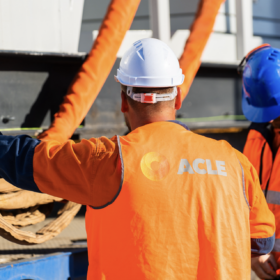
ACLE awarded construction contract for Iberdrola battery project
Australian renewables contracting firm ACLE Services has been awarded the construction and balance of plant contract for the 130 MWh Smithfield Battery Energy Storage System being developed west of Sydney by Spanish energy giant Iberdrola.
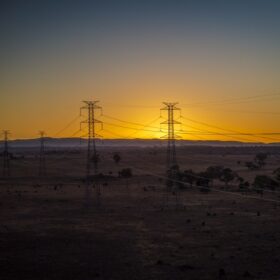
Landowner turns tables in hunt for renewable energy
An 1,850-hectare portion of a grazing property in Queensland’s southeast is being offered as leasehold for the development of a renewable energy project as the landowner looks to tap into the generational opportunities presented by the clean energy transition.
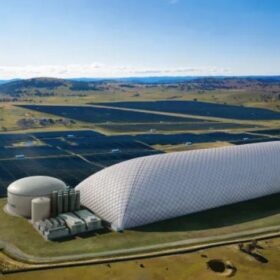
Energy Dome targets Australian market with carbon-dioxide battery tech
Italian energy storage company Energy Dome is scouting potential sites across Victoria to deploy its carbon dioxide battery technology as it works to establish a foothold in the Australian energy market.
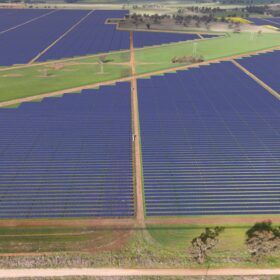
Gentari gives go-ahead for DC-coupled solar and storage
Construction of the Maryvale Solar and Energy Storage project is set to begin in the coming weeks with renewables developer Gentari pressing go on the DC-coupled hybrid project being built in central western New South Wales.
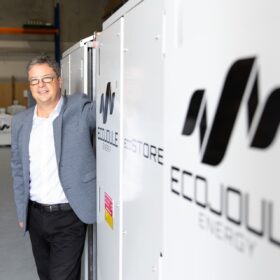
EcoJoule lands $15 million to support expansion strategy
Voltage control specialist EcoJoule Energy has banked $15 million in capital it says will underwrite the company’s global expansion and support the wider deployment of technology designed to help stabilise the electricity grid as it adjusts to increasing levels of solar capacity.
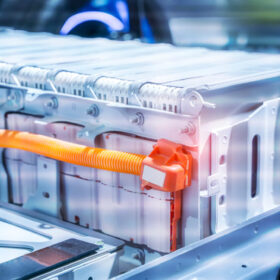
IEA: Global battery industry has entered new phase
China supplied three-quarters of a 1 TWh global battery market in 2024 and its domination enabled steep cost savings and a possible switch to lithium ferro-phosphate technology, according to the International Energy Agency.
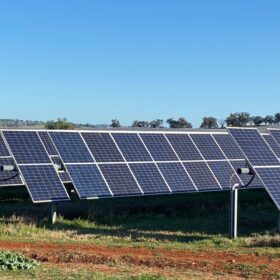
Government accelerates approval process for 25 GW of priority renewables projects
More than 16 GW of solar and wind generation and approximately 6 GW of energy storage projects could benefit from an accelerated environmental approvals process as the Australian government works to deliver critical infrastructure needed to achieve its clean energy targets, including 82% renewable electricity by 2030.