Budget to bankroll phase two of clean energy transition
Former federal energy minister Greg Combet has indicated the May Budget will unleash big bucks for the next stage of Australia’s renewable energy transition, underwriting the nation’s charge to become a global wind, solar and green hydrogen superpower.
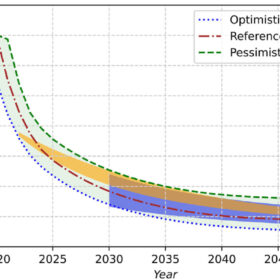
PV-driven green hydrogen may be sold in Australia at $3/kg by 2030
A team of researchers in Queensland have calculated the levelised cost of green hydrogen under different installed capex scenarios for 2030. They also looked into the different possible sizing of PEM electrolysers.
Neoen looks at Australian asset sale to help fund future growth
Renewable energy developer and independent power producer Neoen is reportedly considering selling a large portion of its Australian portfolio of clean energy projects that exceeds 3.75 GW of assets currently under construction or in operation.
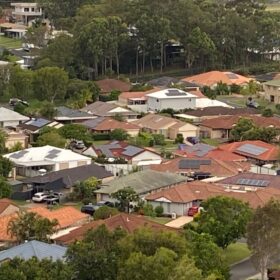
Report says rooftop solar key to cutting climate pollution
A new report puts electricity generation, storage, transmission and electrification from renewable sources on Australia’s front line to combat climate pollution.
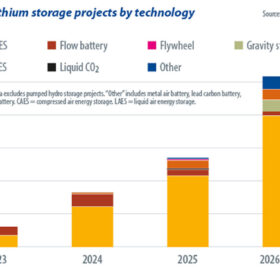
Weekend read: Can anything topple lithium-ion?
The need for long-duration energy storage in a net-zero world is undeniable but with conventional battery prices tumbling, can anything dislodge the mainstream grip of lithium ion? S&P Global’s Susan Taylor provides an update on non-lithium storage technologies.
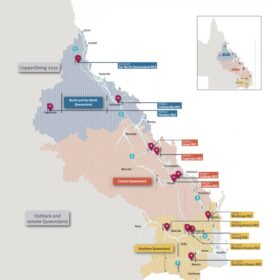
Queensland roadmap plots path for 22 GW renewable energy zone strategy
The Queensland government has formally identified 12 potential renewable energy zones across the state as part of its plans to connect 22 GW of new grid-scale wind and solar generation needed to help achieve its clean energy targets.
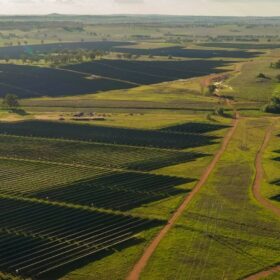
Lightsource bp wins federal environmental approval for 750 MW solar, 3,000 MWh storage project
British developer Lightsource bp’s plans to build the biggest solar farm and battery energy storage system on any of Australia’s main electricity grids has a green light to proceed after securing environmental approval from the Australian government.
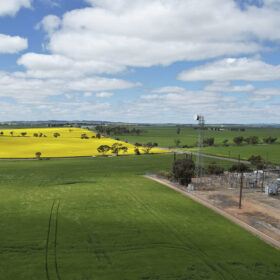
Zen Energy starts construction on South Australian big battery
Adelaide-headquartered renewable energy gen-tailer Zen Energy will build South Australia’s second-largest battery energy storage system in a move expected to boost the reliability of electricity supply as the state gallops towards its 100% renewable energy target.
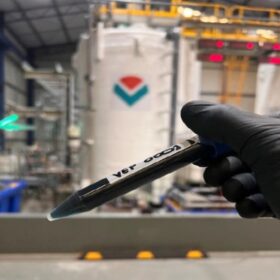
AVL produces first battery-ready vanadium electrolyte
Perth-based resources company Australian Vanadium Limited has executed another element of its planned ‘pit to battery’ strategy, producing the first battery-ready vanadium electrolyte at its new manufacturing facility in Western Australia.
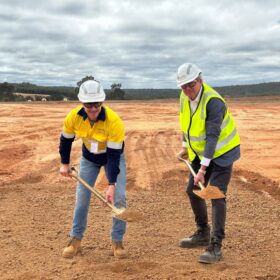
Construction works begin for 2 GWh Collie big battery
Western Australian government-owned utility Synergy has commenced construction of its third grid-scale battery as the state government looks to ramp up energy storage capacity to support its planned transition from coal-fired power generation to renewables.