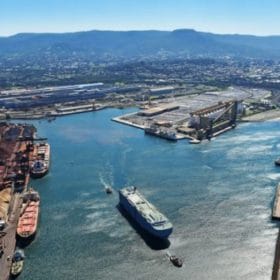
New US policy ‘devastating’ for Australia’s green hydrogen ambitions, says investment manager
Cofounder of Quinbrook Infrastructure Partners, David Scaysbrook, says the US Inflation Reduction Act can make Australia a green energy superpower – but not in the way we expect. The policy will fundamentally undercut Australia’s competitiveness exporting green hydrogen, but offers giant opportunities for critical materials. Scaysbrook also expects Australia’s 2023 to be lean in terms of renewable investment, especially when it comes to “vanilla” projects.
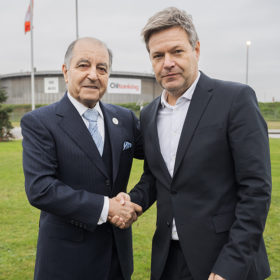
Germany to import green ammonia from Saudi Arabia from 2026
Germany has decided to build its first green ammonia import terminal in Hamburg, in collaboration with Air Products. Egypt, meanwhile, has signed $128 billion of hydrogen framework agreements.
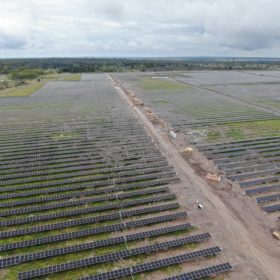
IEA outlines standardised guidelines for solar O&M
The International Energy Agency Photovoltaic Power System Programme has standardised guidelines for operation and maintenance programs for large-scale solar plants. It defines O&M performance indicators and standard O&M operator services, as well as tools to analyse PV plant performance and safety.
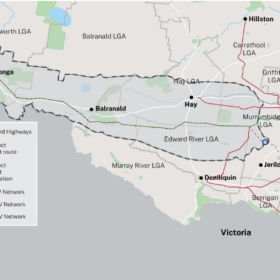
NSW officially declares its third Renewable Energy Zone
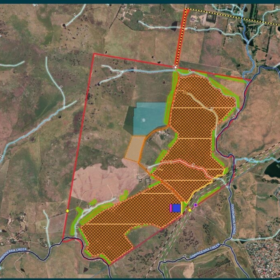
The New South Wales government has formally declared the state’s third Renewable Energy Zone (REZ). The South West REZ, as its called, is centred around the towns of Hay and Balranald in the state’s western Riverina region, with initial expressions of interest in the zone attracting up to 34 GW of generation proposals – more than 13 times the intended capacity of 2.5 GW.
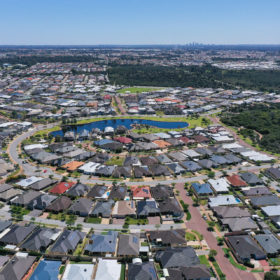
Market advancing VPP goes live in Western Australia
Western Australia’s largest virtual power plant, the government-support Project Symphony, is live. The project is particularly noteworthy for its introduction of new markets to reward different services and its use of Dynamic Operating Envelopes.
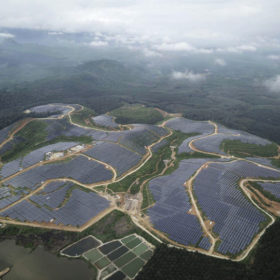
Malaysia to grant 4-year PPA extensions to bidders in large-scale solar tender
The Malaysian authorities have revealed that they will extend power purchase agreements from the fourth LSS4 tender for large-scale PV from 21 to 25 years.
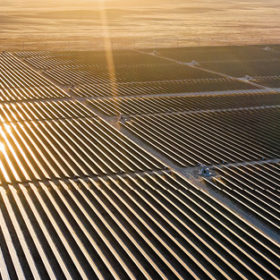
Annual added PV capacity will more than quadruple to 650 GW in 2030, says IEA
The International Energy Agency (IEA) has published its “World Energy Outlook 2022” report. It expects the energy crisis triggered by Russia’s invasion of Ukraine to accelerate the global energy transition.
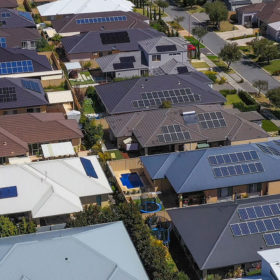
Western Power agrees to increase electricity for regional households following fallout
Western Power will begin allocating regional properties in Western Australia’s main grid the same electricity supply as their urban counterparts. The shift comes after sustained community pressure since pv magazine Australia first reported on the issue in July 2022.
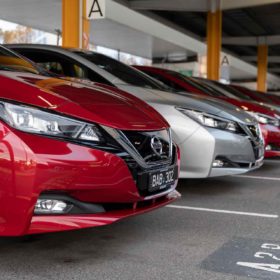
Australian EV market share grows 65% in 2022
The demand for electric vehicles in Australia increased by 65% in 2022, reaching 3.39% market share of total new car sales, according to the Electric Vehicle Council’s latest report. Tesla continues to be the dominant brand, with New South Wales and Australia Capital Territory governments topping the charts on policy leadership.
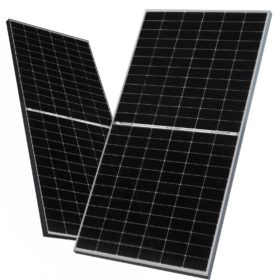
JinkoSolar achieves 26.1% efficiency for n-type TOPCon solar cell
JinkoSolar has set another world record for n-type solar cell efficiencies with its TOPCon technology, this time reaching 26.1%. The new record was confirmed by China’s National Institute of Metrology.