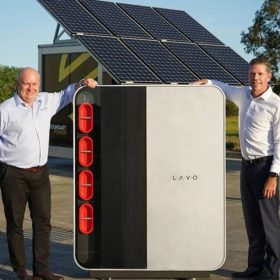
Partnership to explore hydrogen technology in standalone systems
Standalone power system specialist Boundary Power has teamed up with Australian hydrogen technology company LAVO to investigate the potential application of its renewable hydrogen energy storage system in power solutions suitable for off-grid and edge-of-grid customers.
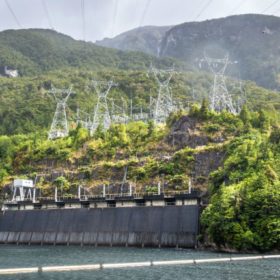
New Zealand reveals plans to join global green hydrogen race
New Zealand could be home to the world’s largest green hydrogen production plant with gen-tailers Meridian Energy and Contact Energy teaming up to explore the potential development of a large-scale facility in the island nation’s southernmost region.
Japan revises 2030 targets, plans to double renewables and cut fossil fuels
Japan’s Ministry of Economy, Trade and Industry has released a draft energy plan with ambitious revisions to the nation’s previous energy and emissions targets. The proposed plan will sees a doubling of renewables compared to the previous target, and significant cuts to coal and gas, much of which it buys from Australia. Meanwhile, Australian Resources Minister Keith Pitt reiterated the Coalition Government’s “Gas-Fired Recovery is the right policy for Australia.”
Western Australia joins industry-led green hydrogen certification scheme
Western Australia’s McGowan Government has joined fellow state and territory governments in joining the Smart Energy Council’s industry-led Zero Carbon Certification Scheme. As the region with the largest proposed green hydrogen projects in the world, this is a significant step toward ensuring a future in which green hydrogen is prioritised.
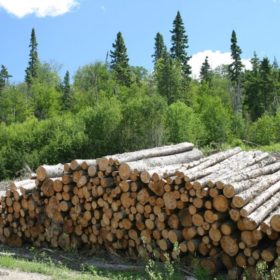
Can hydrogen made by burning wood really be considered green?
Burning biomass – essentially, wood – is defined by the Australian government and the United Nations as a renewable energy source. As Australia’s hydrogen pipeline balloons, projects proposing to produce the ‘future fuel’ by burning waste wood have begun to appear. It’s a model that has immediate benefits, complicated drawbacks and significant carbon emissions along the way.
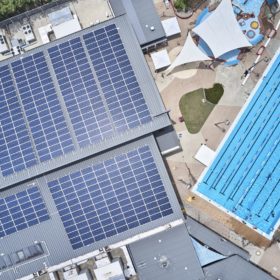
Conservative strongholds now showing strong support for clean energy, survey finds
More than half of regional Queenslanders believe clean energy industries will be major employers by 2030, according to a new survey, while just shy of half support transitioning to a renewables-dominated grid in the next 15 years or sooner. The survey focussed only on regional Queensland, excluding greater Brisbane area and Gold Coast, an area renowned for conservatism.
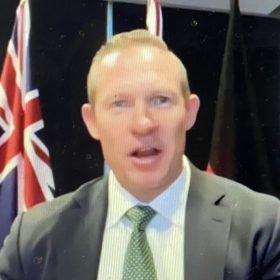
Queensland minister reveals goals for 10 year plan and survey findings, urging renewable industries to ‘act quickly’
The number of residential home batteries in Queensland has doubled while electricity bill cost concern has almost halved, found the “biggest survey of its kind” conducted in the state. The survey’s findings, which set to be released in full later this week, were summarised this morning by Queensland Minister for Energy, Renewables and Hydrogen, Mick de Brenni, at a virtual event.
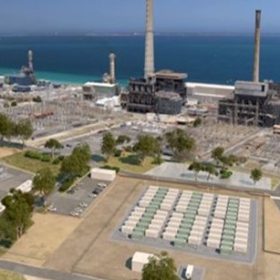
WA to welcome big battery as NSW solar farm rejected
What’s happening around the states? Western Australia to welcome big battery; South Australia developer plans major expansion; NSW solar farm rejected; and feasibility study supports Queensland green hydrogen project.
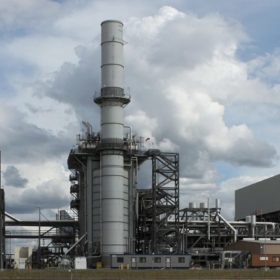
Hydrogen-fired gas turbines vs. lithium-ion storage
According to a new study from the Massachusetts Institute of Technology, hydrogen-fired gas plants will compete with lithium-ion storage for seasonal storage and their competitiveness will strictly depend on the heat rate of the gas power plants they may replace.
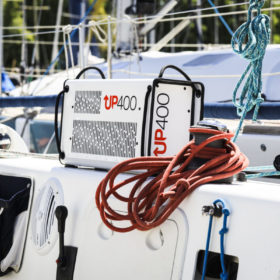
Portable hydrogen fuel cell generator with power output of 400 W
The generator can be combined with batteries, solar panels, or small wind turbines. It is based on a proton exchange membrane fuel cell technology and is claimed to have a minimum lifetime of 5,000 working hours.