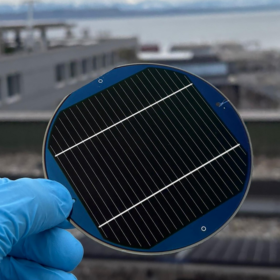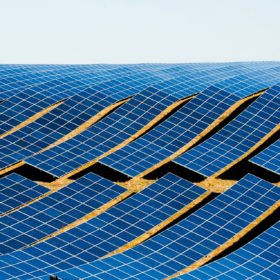
Historic-low interest rates will power ahead astonishing solar cost reductions
An Ieefa report has suggested the cost of generating electricity from solar will be near zero in the world’s sunniest regions by 2030-40 – despite what the naysayers at the International Energy Agency might think.
3.6 GW solar-powered hydrogen project announced for Queensland
A newcomer to the Australian renewable energy scene, Austrom Hydrogen has unveiled plans to develop a large solar project, battery storage and hydrogen generation facility in Queensland.
ARENA receives overwhelming response to green hydrogen funding round
More than $3 billion of renewable hydrogen projects are vying for funding from the Australian Renewable Energy Agency (ARENA) to build the first commercial-scale projects in the country.
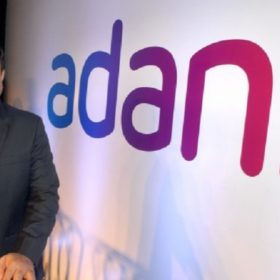
Adani chief talks solar and hydrogen storage opportunity
Covid-19 crisis has provided system operators with insights on keeping the grid stable with high levels of renewable penetration. Post Covid-19, this may be the new norm, Gautam Adani said in a LinkedIn post recently.

CEC publishes first ever national study of renewable energy workforce
The continuing dominance of the small-scale solar sector and the great potential for regional and rural jobs are just some of the findings in the Clean Energy Council’s “Clean Energy At Work”, a first-of-its-kind extensive report into the current renewable energy workforce and its potential over the next 10-15 years.

Solar could hold advantage in post-pandemic global energy sector
The International Energy Agency has acknowledged dramatic falls in energy investment caused by the Covid-19 crisis but said renewables, including PV, offered an attractive proposition to investors as the dust settled, given their enticing economics and short turnaround times.
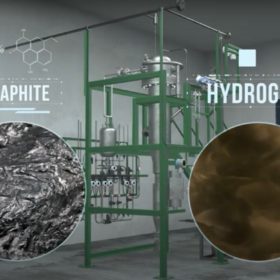
No time to waste, WA lends support to waste-to-hydrogen project
Western Australia’s Renewable Hydrogen Strategy is beginning to make moves with the backing of Hazer Group and the Water Corporation to produce hydrogen from biogas, an Australian-first with a technology developed in Australia.
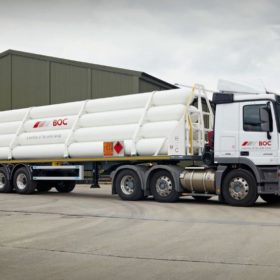
Major consortium initiates big hydrogen cell: first stop, Australia’s buses
A global consortium of technology providers, transport and infrastructure experts has joined forces to show the Australian public the feasibility and utility of hydrogen fuel cells to cleanly power public transport.
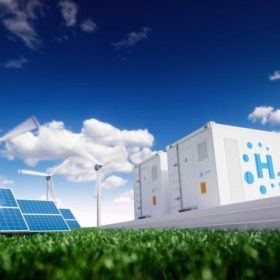
Project NEO: 1 GW of green hydrogen baseload power for NSW
A massive project, which promises to transform baseload power in New South Wales, is finalizing planning, development studies, and offtake agreements. The initial target for Project NEO is to deliver 1000 MW of green hydrogen using solar, wind, and hydrogen fuel cells.
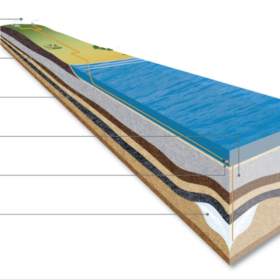
Morrison government paves the way for brown hydrogen industry
The new legislation will clear the way for a new carbon and capture storage project in Victoria and create new jobs and opportunities for coal in the region, undermining the efforts to create a green hydrogen economy in Australia.