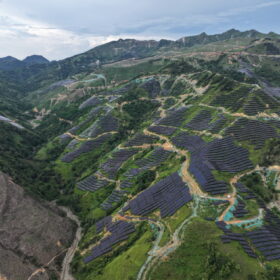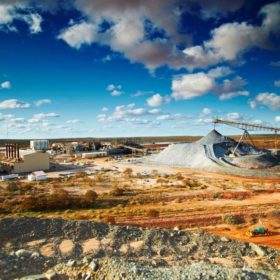
BHP begins work on Northern Goldfields solar+storage system
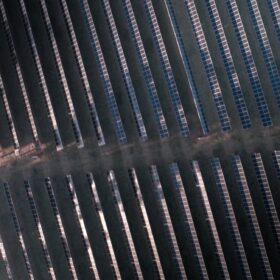
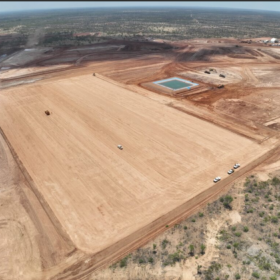
Construction has commenced on an off-grid solar PV and battery energy storage system which will help power Australian-headquartered resource major BHP’s estimated $1 billion Nickel West mining operation in regional Western Australia.
The panel and the city
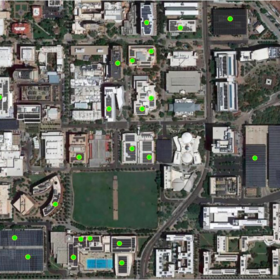
U.S. researchers have investigated how rooftop PV systems may affect air and building temperature in urban environments and, conversely, how the urban heat island (UHI) effect may have a negative impact on PV system performance. Their work considered urban air temperature, urban air pollution, the partial shading of the PV system, soiling, building heating and cooling loads, and outdoor shade.
Solar expansion at WA mine to deliver 100% renewables in daylight hours
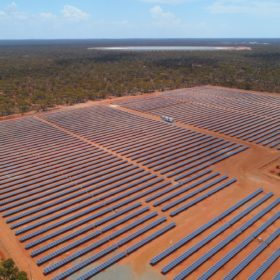
Remote power generation specialist Zenith Energy will build upon its renewable energy options at Western Australian miner IGO’s Nova nickel site to demonstrate it is possible to use 100% renewables to meet the demands of an operational mine site.
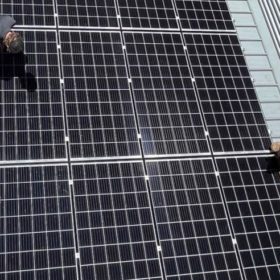
Bendigo banking on Australian-made solar modules for savings
Australian financial institution Bendigo and Adelaide Bank has turned to solar PV to improve its bottom line with a 200 kW rooftop system installed atop its major corporate site in Bendigo in regional Victoria.
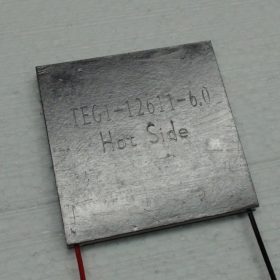
Coupling photovoltaics with thermoelectric cooling
An international research team has investigated how solar could be combined with thermoelectric coolers (TECs), which are small solid-state heat pumps used either for heating or for cooling. A system was built with six solar panels, an air duct system, four batteries, a charge controller, TECs, an inverter, heat sinks, a test chamber, and condenser fans.
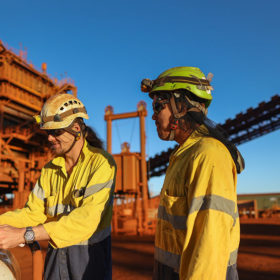
WA gold miner to install hybrid PV-gas system with hydrogen capacity
Gold developer Calidus Resources has become the latest miner to decarbonise its Western Australian operations by installing a 19 MW hybrid solar PV-gas power system which in future could be up to a quarter fuelled by hydrogen.
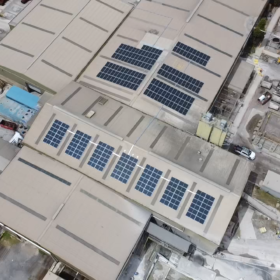
Australia-wide solar fit out means concrete progress for sustainable construction
Humes, a division of concrete company Holcim Australia, is making moves on its emissions reductions targets with the installation of rooftop solar on 10 of its sites across Australia. With a number of the projects already completed, Humes expects to finish the large-scale layout by the end of March 2022.
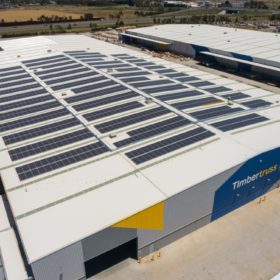
Building materials company Bowens invests $1.2 million in solar and sustainability future
Victoria’s Bowens has invested $1.2 million in a large scale rooftop solar installation along with power factor correction units in order to cut its carbon emissions and promote sustainable practices in the construction sector. With new home builds and renovations surging across Australia, it is not just residential rooftops that can make an impact on the nations’ carbon footprint, but commercial rooftops as well.
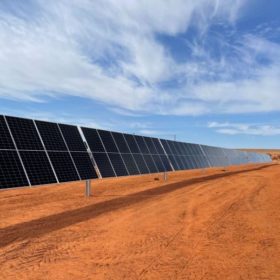
Pacific Energy unveils ‘world first’ hybrid power solution at mine site
Solar PV is helping power the world’s largest zircon mine with Western Australian-based independent power producer KPS Power Generation announcing it has completed the conversion of miner Iluka Resources’ 10 MW diesel-fuelled power station at the Jacinth-Ambrosia mineral sands operation in South Australia into a hybrid facility.
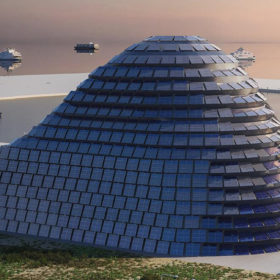
BIPV panels cover an entire building in Taiwan
The Sun Rock building is owned by Taiwan’s power utility Taipower. It was covered with 4,000 square meters of PV panels deployed by Dutch architectural firm MVRDV.