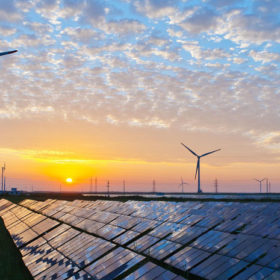
Another remarkable year: 2019 saw renewables records tumble
With 4.4 GW of new renewable energy capacity installed and almost a quarter of Australia’s electricity supply now coming from renewable energy sources, 2019 was another year of extraordinary growth, according to the latest edition of the Clean Energy Australia report. As rooftop solar continued its record-breaking streak, big PV made up more than two-thirds of Australia’s large-scale renewable energy capacity installed last year. Meanwhile, the battery storage sector started to gain momentum.
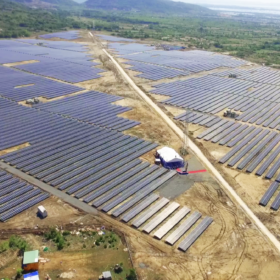
Vietnam finally unveils new FITs for large-scale, rooftop, floating PV
Hanoi has set new feed-in tariff rates for utility-scale, rooftop and floating PV projects, ending a long period of policy uncertainty. The government has announced the new rates, which are broadly in line with industry expectations, roughly 10 months after the expiration of its old tariffs.
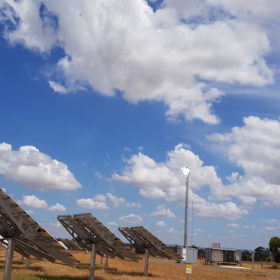
RayGen announces major equity investor in Photon Energy
Melbourne solar Thermal Hydro tech company RayGen has announced a strategic partnership with global developer Photon Energy. The boost comes only weeks after added ARENA funding and signals a major push toward a solution to the problem of solar intermittency.
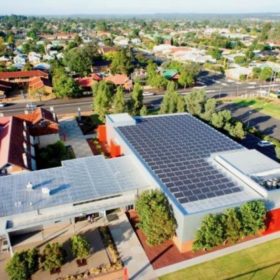
Ooh, aah, Dubbo goes solar
Dubbo, birthplace of Glenn McGrath, has announced its membership in the Cities Power Partnership (CPP) program as it looks to transition to renewable energies, particularly solar.
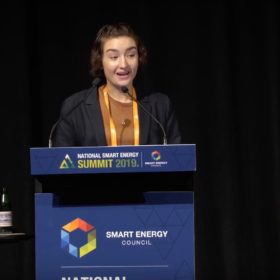
Katoomba student’s sortie for solar in NSW schools
Katoomba High School student Estelle Dee is collecting signatures for a petition to NSW Energy and Environment Minister, Matt Kean, for the installation of solar panels at every NSW public school within the next three years.
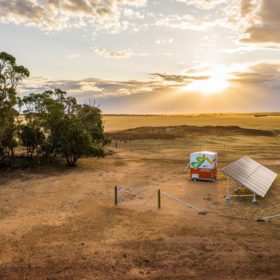
Western Australia, the stand-out state for stand-alone systems
Before social-distancing became a thing, Western Australia stood apart from the rest of the country. Defined by remoteness, the state is beginning to embrace its identity, and cure itself of network headaches at the same time, with the uptake of stand-alone power systems (SPS).

New Zealand may reach 6 GW of solar by 2050
National utility Transpower said that solar could take a 9.3% share of the country’s generation mix by the middle of the century. However, real growth is only forecast to occur from 2035, with distributed generation expected to account for more than 80% of total installed PV.
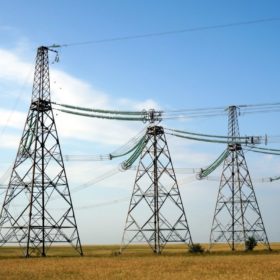
AEMO publishes final MLFs for 2020-21
The Australian Energy Market Operator’s final marginal loss factor report for 2020-21 provides some good news for operational large-scale solar projects delivering only smaller changes compared to those seen in preceding years. However, the reduced need for MLF adjustments came as a result of a slowdown in new project development and additional network constraints.
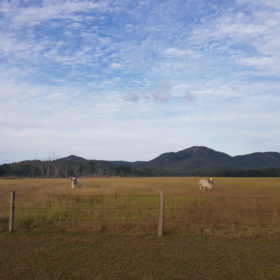
300 MW Rodds Bay Solar Farm finally gets the go-ahead
After several stalled years, construction of the 300 MW Rodds Bay Solar Farm in Queensland is finally imminent. Developer, Renew Estate, has been issued its Notice to Proceed under its connection agreement with Powerlink Queensland.
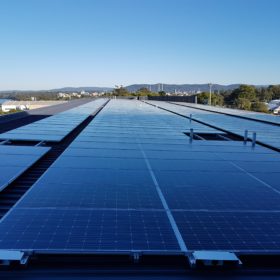
Rooftop solar surges to record highs before lockdown
Analysis from Green Energy Markets shows the Australian rooftop PV market in robust health during the first three months of 2020. According to STC data, more than 30,000 rooftop installations were registered in the month, for a total of close to 250 MW of capacity. And then came Covid-19.