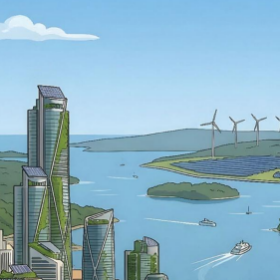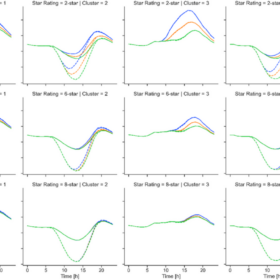
Mitigating residential duck curve via solar pre-cooling
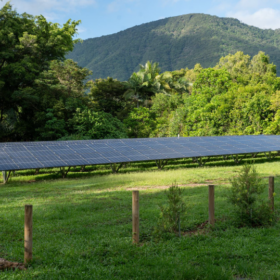
Solar pre-cooling consists of using residential PV systems to run air conditioners to pre-cool residential and commercial buildings. It offers benefits in terms of mitigating low minimum demand in electricity networks, flattening the grid’s net demand profile, and reducing electricity bills.
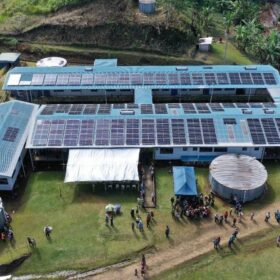
US agency says microgrid could provide model for PNG
The United States government, through the U.S. Agency for International Development, has committed $1.86 million (USD 1.2 million) to support the development of a solar-powered microgrid in Papua New Guinea’s Central province.

Top five solar inverter vendors accounted for 71% of shipments in 2022
Global inverter shipments increased to 330 GW last year with Huawei, Sungrow, Ginlong, Solis, Growatt and GoodWe named as the top vendors.
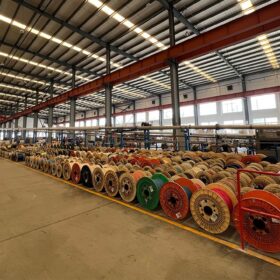
Transgrid does $100 million deal with ZTT to de-risk supply chain
Australia’s largest transmission network operator Transgrid has struck a deal with Chinese manufacturer ZTT International for the delivery of more than 17,500 kilometres of high-voltage conductors as it looks shore up supplies of key electrical equipment needed to deliver critical transmission projects.
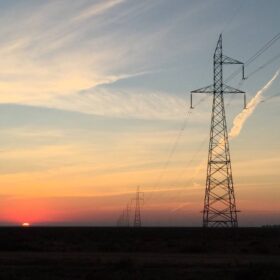
AEMC proposes rule changes for major transmission projects
The Australian Energy Market Commission has proposed new rules that would require developers planning major transmission projects to consult with communities and affected stakeholders earlier in the projects’ development.
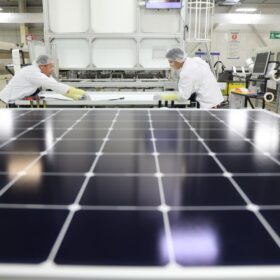
Weekend Read: Deployment trumps manufacturing in EU priorities
A lack of clear policy support, raw material dependency, and higher production costs are inhibiting the localisation of European solar manufacturing, despite strong demand, writes Edurne Zoco, executive director for clean energy technology at S&P Global.

Maxeon to build 3 GW cell and module plant in US
Singapore-headquartered solar manufacturer Maxeon Solar Technologies will invest more than $1.5 billion (USD 1 billion) to establish a TOPCon manufacturing facility in the United States, creating up to 1,800 highly skilled jobs.
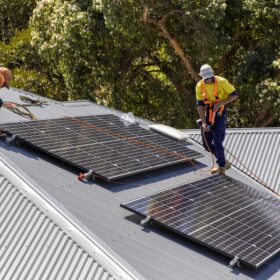
Switch to all electric tipped to save households $4,320 a year
Australian households that make the shift to all-electric energy-efficient appliances, combined with solar panels, battery storage and electric vehicles, could save $3,500 a year by 2030 and $4,320 by 2050 compared with a fossil-fuelled household that relies on gas appliances and petrol or diesel vehicles.
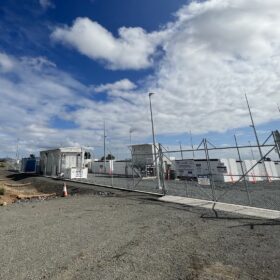
Battery capacity overtakes pumped hydro in NEM
The energisation of two new battery projects totalling a combined 150 MW has seen the charging capacity from grid-scale battery energy storage systems surpass that of pumped hydro in Australia’s national grid.
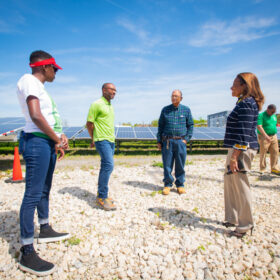
Breaking through ‘status quo bias’ with co-designed solar power plants
A group of Dutch researchers assessed the impact of including stakeholder input in the design process of solar power plants. It found that a co-designed approach may help counter the resistance of local inhabitants and result in more positive evaluations of the project.