Smart Energy Council reveals list of partners for its green hydrogen certification scheme
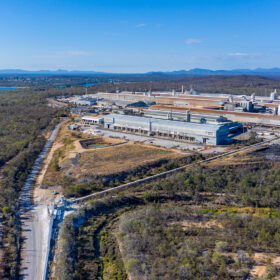
Australian peak body, the Smart Energy Council, has this morning revealed the details of the initial global and domestic partners for its hydrogen Zero Carbon Certification Scheme. The scheme seeks to provide a guarantee of origin for hydrogen, ammonia and other derivative products like steel, in preparation of Australia becoming a global hydrogen export hub.
Tesla touts the market strength of its Powerwall energy storage product
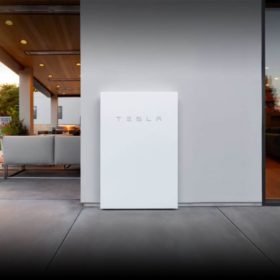
In an earnings call, the company said that storage deployments grew 71% YoY and solar installations were its strongest in 2.5 years.
Error in ‘solar tax’ calculations may leave homes with no export profits, analysis finds
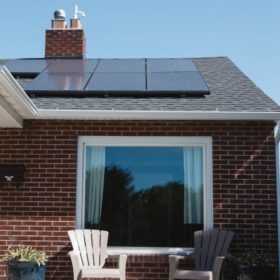
The impacts of Australia’s proposed “solar tax” may have been greatly underestimated, according to a report from the Victoria Energy Policy Centre. The institute says proposed rule change is “likely to leave solar homes with little or no income from rooftop solar exports” as feed-in tariffs drop.
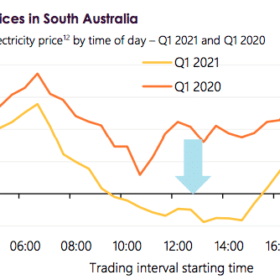
South Australia sets record as rooftop solar sees electricity prices consistently plunge below zero
Rooftop solar has caused South Australia’s average daytime prices fell below zero consistently for the first time in the NEM’s history, the Australian Energy Market Operator said in its quarterly report released today.
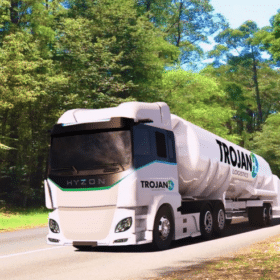
Melbourne company signs deals to position itself as Australia’s leading carbon-free green hydrogen transporter
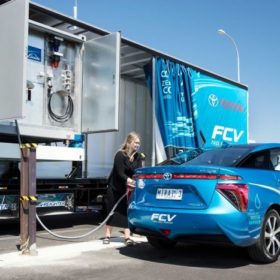
Melbourne-company Trojan H2 Logistics has today announced two separate industry deals to deliver both fuel-cell hydrogen transport trucks as well as hydrogen refuelling stations along Australia’s East Coast.

Victorian government launches VPP pilot program
Victoria’s Andrews Government has launched a battery aggregation pilot program which seeks to build an “approved aggregation provider list” alongside the Solar Homes battery rebate. The Victorian Government sees the future of virtual power plants and microgrids and this is an opportunity for both consumers and providers to benefit.
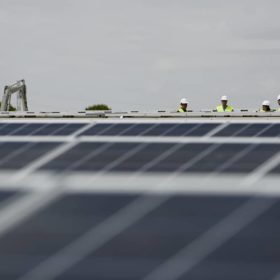
Europe’s largest PV plant takes shape
The project, called the Trillo photovoltaic complex, is located in Spain and will have an installed capacity of 626 MW. Construction is scheduled to begin on May 7.
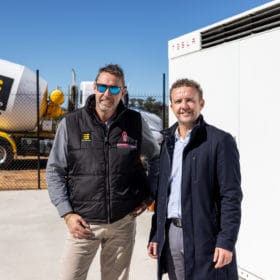
New ACT big battery to pull off hydrogen, solar and VPP storage trifecta!
Elvin Group Renewables has constructed a 5 MWh Tesla Megapack to help ensure stability of energy supply in Canberra’s new northern suburbs and the wider grid. Its plans to proliferate the model are audacious.
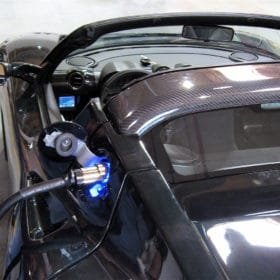
Add electric vehicles, not bulk transmission, for a low-cost, clean grid: UC Berkeley study
A 90% clean grid with a transition to EVs would achieve lower electricity costs than one without, the study shows. Transmission investments would mainly be spur lines to new renewable generation.
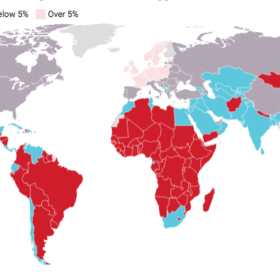
Australia ‘in a league of its own’ with renewables potential, positioned to be ‘battery of the world,’ new report finds
Solar and wind could meet the global energy demand 100 times over, a new report from the Carbon Tracker Initiative has found. Australia, in particular, is uniquely positioned to capitalise on the transition as one of the few developed countries with vast renewable potential and a low population.