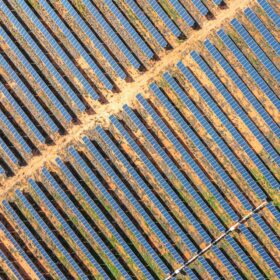
Enel lands long-term PPA for Quorn Park solar and storage project
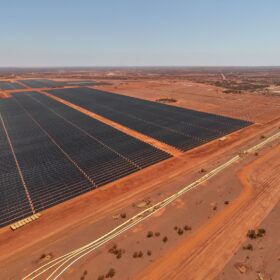
Zen Energy has struck a long-term agreement to buy the majority of energy to be generated at the $190 million Quorn Park solar and battery hybrid project being developed by Enel Green Power Australia in western New South Wales.
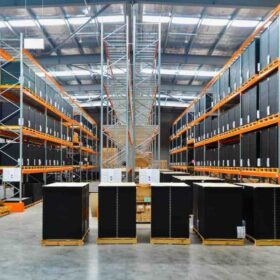
Tindo teams with Capral in Australian solar panel supply chain
Australian solar panel manufacturer Tindo Solar has revealed the first link in a domestic downstream supply chain that is to support a planned six-fold increase in its annual output, striking a supply arrangement with aluminium extrusion company Capral Aluminium.
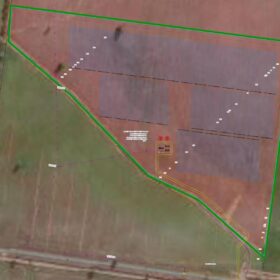
CleanPeak adds new projects to solar portfolio
Australian Renewables developer and operator CleanPeak Energy has added to its utility-scale solar portfolio with the acquisition of two ‘ready-to-build’ projects from Japan-headquartered developer Bison Energy Group.
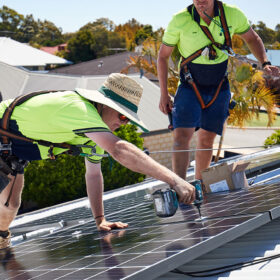
Energy workers job security in sight as Net Zero Economy Authority bill passes Senate
Coal and gas-fired energy workers and their communities are closer to being guaranteed support during Australia’s energy transition following the Australian Senate’s passing of the Net Zero Economy Authority Bill 2024.
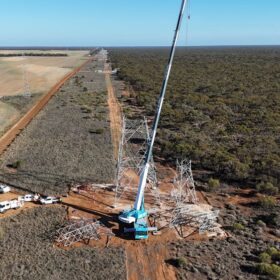
Transgrid raises remote REZs as part of energy transition vision
New South Wales power grid owner Transgrid has pinpointed a trio of sites in the state’s far west that could host remote renewable energy zones that it said could help address the challenges posed by an energy transition that it is in “vertical take-off.”
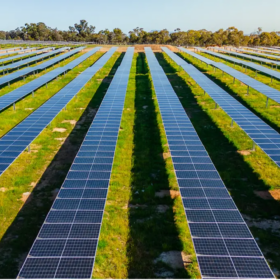
Renewables must ramp up to 126 GW by 2030 to reach net zero by 2050, says BNEF
Australia can still achieve a net-zero energy transformation by 2050, in line with the Paris climate agreement, but new analysis from Bloomberg New Energy Finance shows there is no time to waste with a rapid scaling up of investment in solar, wind and energy storage required.
Acen secures IPC approval for 1.2 GW solar and battery project
Acen Australia’s plan to develop a 600 MW solar farm and 600 MW / 1,200 MWh battery energy storage system in central west New South Wales has received a major boost with the state’s Independent Planning Commission giving its tick of approval.
Lightsource bp lands financing package for 150 MW NZ solar farm
Construction of a 150 MW solar farm will go ahead at New Zealand’s Christchurch Airport precinct with joint venture partners Lightsource bp and Contact Energy announcing a final investment decision on the project.
Genesis adds 114 MW solar project as part of 500 MW strategy
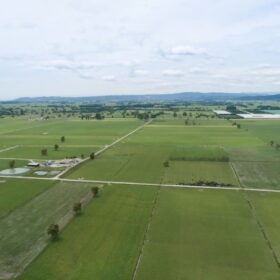
New Zealand power company Genesis Energy has taken another step in delivering on its commitment to build 500 MW of grid-scale solar by the end of 2028 with the acquisition of a 114 MW consented PV project on the nation’s North Island.
Horizon reaches milestone with rooftop solar rollout
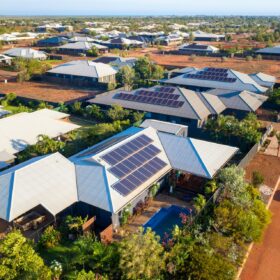
Thousands more homes and businesses in regional Western Australia now have the option to install rooftop PV with Horizon Power announcing it has completed the rollout of internet-connected technology that eliminates network hosting capacity constraints in its service area.