Report reveals massive renewable energy expansion needed to hit net zero target
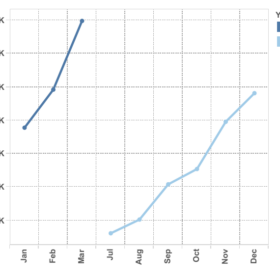
New modelling has found Australia will require about 40 times the total generation capacity of today’s national electricity market, including an estimated 1,900 GW of solar PV, to deliver on its net-zero ambitions by 2050.
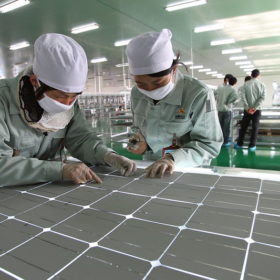
Polysilicon-to-solar module gigafab in planning for India
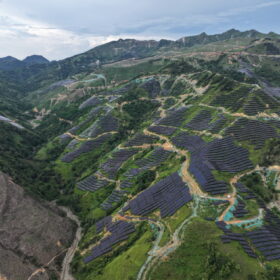
State-owned NHPC and Bharat Electronics Ltd will leverage their complementary strengths to set up a gigawatt-scale vertically integrated solar manufacturing unit.
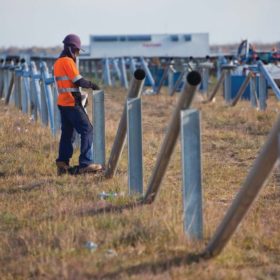
NSW releases new guidelines for large-scale solar
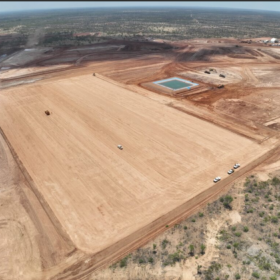
The New South Wales government has moved to smooth the way for the development of large-scale solar farms in the state as the energy sector continues to transition from fossil-fuel generation towards renewables-based electricity.
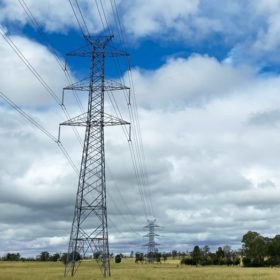
CEFC points to ‘critical’ infrastructure as part of investment strategy
Australia’s Clean Energy Finance Corporation has identified transmission and grid infrastructure as a key focus as it looks to build upon more than $10 billion of clean energy commitments in its first decade of investments.
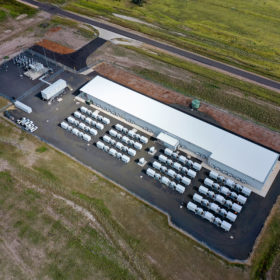
Queensland’s biggest battery reaches full commercial operations
The biggest battery yet connected to the grid in Queensland has commenced full commercial operations with developer Vena Energy announcing it has flicked the switch on the 100 MW/150 MWh Wandoan South battery energy storage system in the state’s south-west.
WA to study renewables demand to inform state’s future network
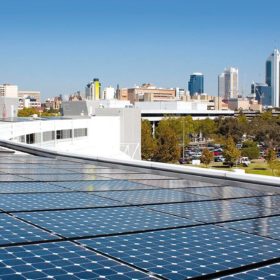
The Western Australia government will fast-track an assessment of new and existing demand for renewable energy across the state’s main electricity network as it continues the transition to a low-emissions future.
Chinese power rationing affects solar module production
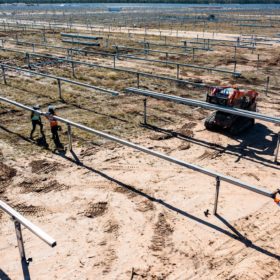
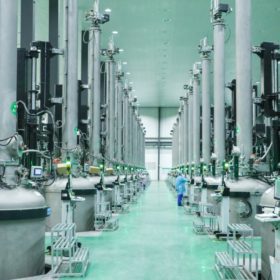
China installed 37.73 GW of solar in the first seven months of this year, according to official estimates. JinkoSolar said it is struggling to cope with power rationing in Sichuan province, while Shunfeng said it expects to record a hefty net loss for the first half.

Brisbane Airport expands AI program to help meet sustainability goals in airport first
Brisbane Airport Corporation is set to expand its use of artificial intelligence (AI) energy optimisation technology across the international airport following a successful six month trial.
The road to new fuel efficiency rules is filled with potholes. Here’s how Australia can avoid them
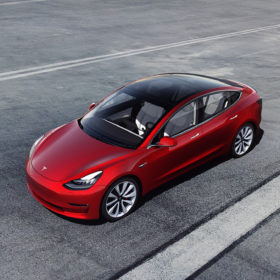
Last week, federal Climate and Energy Minister Chris Bowen officially put fuel efficiency standards on the national agenda, saying the measure would reduce transport emissions and encourage electric vehicle uptake.
Renewables expected to generate 22% of US electricity this year
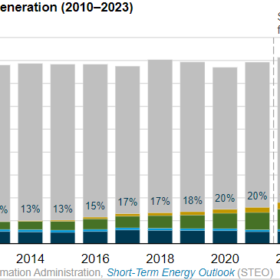
The Energy Information Administration projects renewable energy to reach a record share of generation mix this year.