UL releases modelling software for utility scale energy storage
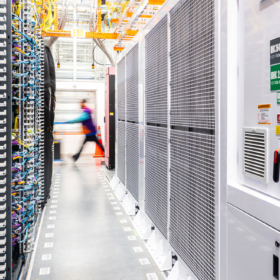
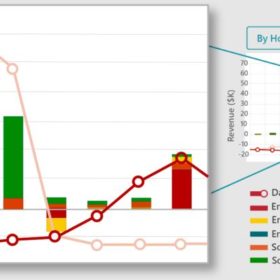
The software, called HOMER Front, is designed for standalone or hybrid solar or wind-plus-storage applications, aimed at maximising revenue streams.
Battery manufacturer builds on Australian supply chain
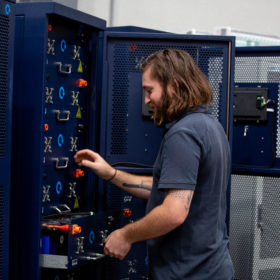
With global demand for both large scale and distributed battery energy storage on the rise, Australian battery manufacturer Energy Renaissance has reaffirmed its commitment to produce a lithium-ion storage solution using Australian suppliers and components.
No end to solar supply/demand imbalance
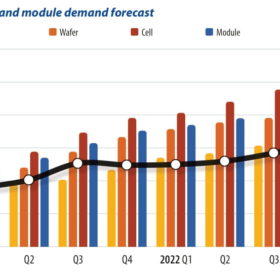
The solar supply chain problems that began last year with high prices and polysilicon shortages are persisting into 2022. But we are already seeing a stark difference from earlier predictions that prices would decline gradually each quarter this year. PV Infolink’s Alan Tu probes the solar market situation and offers insights.
Trailblazer tipped to accelerate Australia’s clean energy transition
The University of New South Wales and the University of Newcastle will join forces to develop and commercialise “world-leading” technology in solar, renewable hydrogen, storage and green metals after securing $50 million in Federal Government funding through the Trailblazer program.
Korea minerals giant seals deal for 9GW Australian renewables portfolio
The Australian clean energy arm of the world’s largest zinc, lead, and silver producer has completed its acquisition of utility scale wind and solar energy developer Epuron Holdings after the sale agreement received regulatory approvals earlier this week.
It’s 2030 and Australia’s energy landscape looks like…
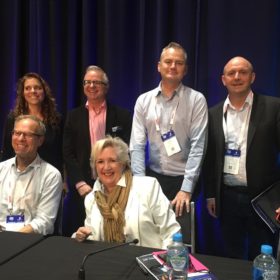
As part of the Smart Energy Conference held in Sydney last week, the Smart Energy Council’s Scott Hamilton ran a session on Australia’s hypothetical energy landscape in 2030. This is how panelists Simon Holmes á Court, Jane Caro, Richard Denniss, Karrina Nolan and Professor Iain MacGill think we’ll be living at the decade’s close.
Oil supermajor to reportedly become lead developer in WA solar and hydrogen megaproject
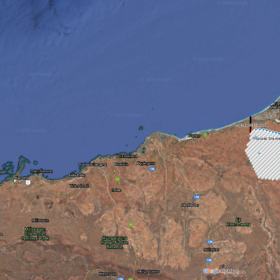
Oil and gas giant BP is reportedly set to take a 30% stake in the 26 GW Asian Renewable Energy Hub project proposed for Western Australia’s north coast.
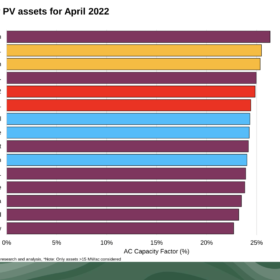
April’s top performing solar farms
The best performing large-scale PV asset in Australia this month was Genex Power’s Kidston solar farm in Queensland, according to Rystad analyst Dave Dixon, who noted total generation from solar and wind assets in Australia grew 23% compared to April 2021.

Longi’s ambitious global green hydrogen plans
In recent years, Longi has turned its attention to green hydrogen. Li Zhenguo, company founder and CEO, recently spoke to pv magazine about its strategic shift and how he believes that coupling this technology with solar PV will be the key to achieving carbon neutrality.
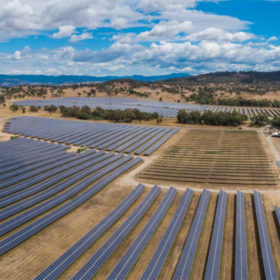
Mugga Lane Solar Park to sell after administrators appointed
Renewables developer Maoneng has confirmed that its 13MW Mugga Lane Solar Park in the Australian Capital Territory is up for sale after being placed into voluntary administration.