NSW renewables manufacturing hub attracts $66 million investment
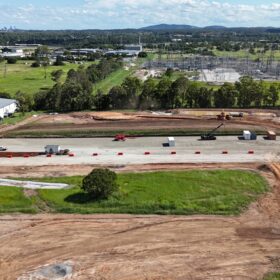
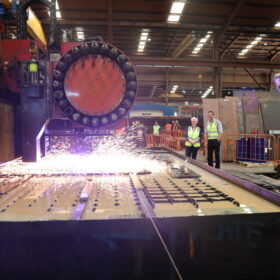
A $66 million joint NSW state government and private investment will give rise to a renewables manufacturing hub in western Sydney but the NSW Nationals say the move fails regional communities most impacted by the energy transition.
Jinko secures federal green tick for solar and battery project
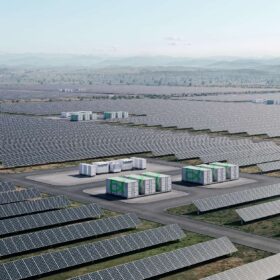
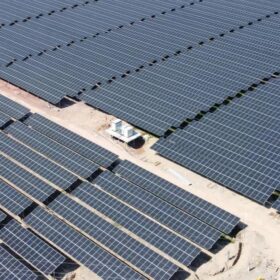
A subsidiary of Chinese PV technology manufacturing giant JinkoSolar has been given the green light by the Australian government to develop a 134 MW solar farm with up to four hours of battery energy storage in the New England region of New South Wales.
BHP signs new baseload PPA with Neoen for 24/7 renewable energy
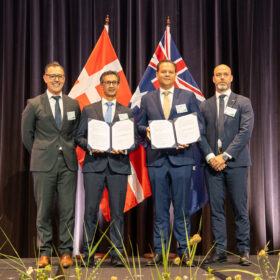
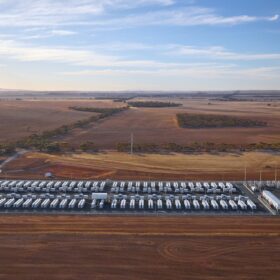
Mining giant BHP has signed a 100 MW baseload renewable energy contract with French developer Neoen to supply power to its copper mining operations in the far north of South Australia.
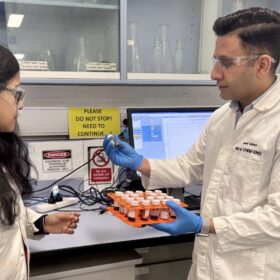
Monash engineers boost zinc-air battery performance with cobalt-iron catalyst
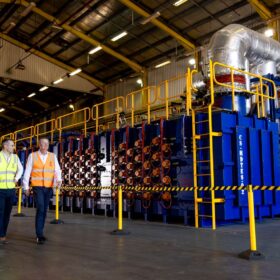
Engineers at Monash University in Melbourne have developed a new catalyst they say could bring zinc-air batteries “closer to real-world, grid-scale and transport uses.”
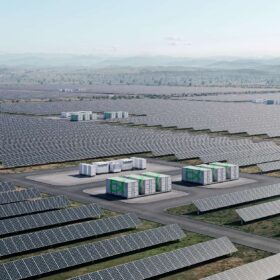
Canadian buyer reveals growth plans after $1.1 billion Edify takeover deal
Australian renewables developer Edify Energy has been snapped up by Canadian investment group La Caisse which has plans to accelerate the development of the company’s more-than 11 GW pipeline of solar and battery energy storage projects.
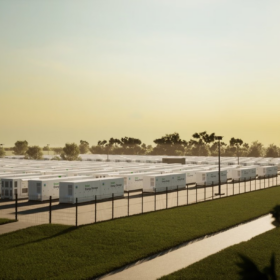
Pacific Green secures state approval for 2.5 GWh energy park
British-owned energy company Pacific Green has secured Victorian government planning approval for what is set to become the state’s biggest yet battery energy storage park.
Renewables reach record 77.9% share in NEM
The share of renewables in Australia’s main electricity grid continues to reach new highs, delivering 77.9% of electricity demand on Sunday with solar power contributing more than 55% of the record-breaking clean energy mix.
Edify lands federal go-ahead for 2.4 GWh solar and storage project
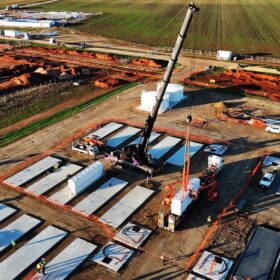
Australian renewables developer Edify Energy has secured federal government approval for a solar and battery hybrid project in northwest Victoria that is to include what could be – at least for a while – the biggest eight-hour battery in the country.
JinkoSolar, Longi settle global patent dispute with cross-licensing deal
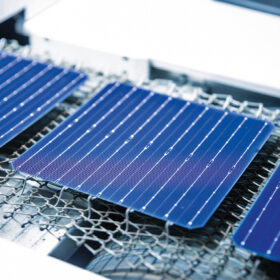
China’s two largest solar manufacturers have ended a protracted global patent battle, agreeing to cross-license core technologies in a move that could reshape the industry’s innovation landscape
Australian climate target prioritises clean electricity across the economy
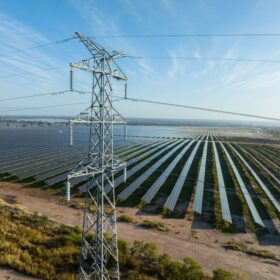
Australia’s 2035 climate change target prioritises clean electricity across the economy based on decarbonising and expanding the electricity network, supported by new transmission and storage, including household batteries.