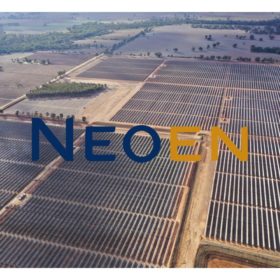
Neoen powers ahead as Australia’s top independent renewable energy producer
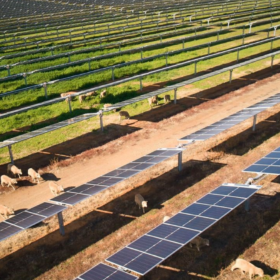
French renewables developer and big Australian energy player Neoen has reported strong revenue growth over the first nine months of 2019, driven in no small part by Australian successes.
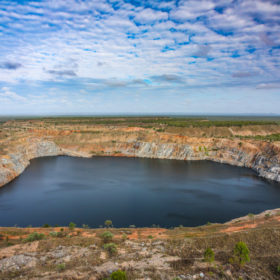
Kidston solar-pumped hydro project resumes with funding extension
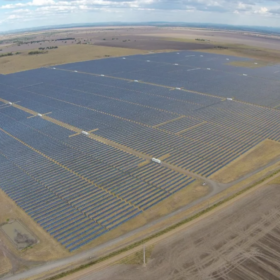
After Genex Power’s offtake agreement with EnergyAustralia fell through earlier this month its concessional federal funding lapsed. However, the Project has secured an extension into 2020, hopefully allowing it enough time to restructure and reach financial close.

Tesla to build first European gigafactory in Germany
Elon Musk has promised a fab near Berlin that will help create up to 10,000 new jobs. Tesla wants to build the facility near the city’s controversial new BER airport.

Qantas flying toward sustainable aviation
Qantas has set itself a 2050 net-zero carbon emissions target as the national carrier looks to push the aviation industry toward more sustainable practices.
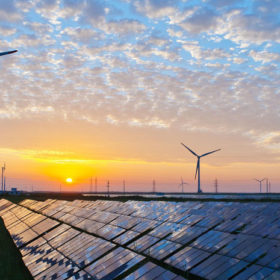
The journey to NEM 2.0
Australia made its first moves to open up its energy industry in the 1990s, when the National Electricity Market (NEM) was first created, and many of the rules and regulations from back then are still in place today. But the rise of renewables in the 21st century, argues Clean Energy Investor Group Chair Rob Grant, necessitates a rethink of this market structure.
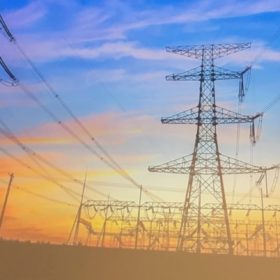
Clean energy industry fears new transmission access rules will stymie investment
The Australian Energy Market Commission’s proposed transmission access model has come under fierce criticism from the clean energy industry for being unnecessarily complex and likely to increase the cost of capital for future generation and storage investment.
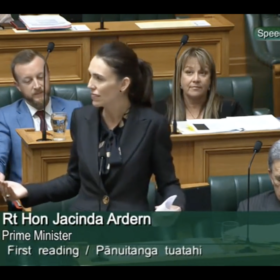
New Zealand passes landmark climate change bill
New Zealand claims antipodean bragging rights yet again as parliament passes landmark bill setting a 2050 net-zero carbon emissions target. The bill, among its manifold components, further highlights the void of federal energy policy in Australia.
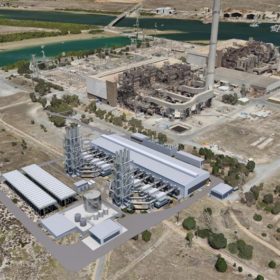
South Australia’s renewables gain dispatchable back-up
South Australia’s renewables, particularly wind, have received firm dispatchable back-up as Barker Inlet Power Station begins generating energy for the first time.
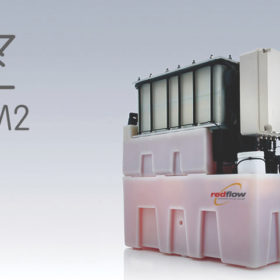
Redflow to supply remote telecommunication sites in New Zealand
The New Zealand Rural Connectivity Group will use Redflow zinc-bromine flow batteries to store energy in off-grid telecommunication sites.

Singtel/Optus gets it right in the face of firestorms and a changing climate
Australia’s east coast is ablaze, with worse weather conditions set to fan the flames in coming days. Telecommunications is one industry threatened by changing climate conditions, and Singtel has sought to prepare its people and its infrastructure for the risks of the future while at the same time reducing its own carbon footprint.