CEDA calls for strong government policy “in areas we can control”
The Committee for Economic Development of Australia (CEDA) has released its 2019 Economic and Political Overview, calling for “durable policy in energy and climate change” in a year it says will be wracked by economic uncertainties.
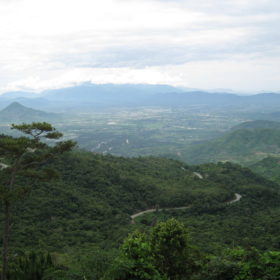
Vietnam mulls multi-layered FIT scheme as it kicks energy transition into gear
With its feed-in tariff set to expire at the end of June, Vietnam is considering different levels of payment, classified across three irradiation regions and involving four solar technologies. Future payments would range from $0.0659-0.0985/kWh, with the cloudy north in line for the highest tariffs and with the government likely to revise tariffs for new projects every two years.
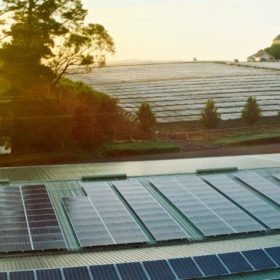
EnergyAustralia to help charities slash power bills with solar+storage
Backed by an estimated $15 million raised from the sale of renewable energy certificates, EnergyAustralia will install free solar PV and battery systems for participating charitable organizations, with the goal to connect them into a virtual power plant and slash their electricity bills by as much as 50%.
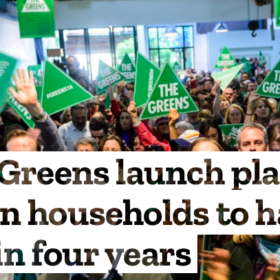
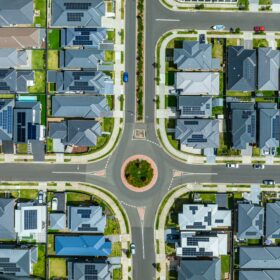
NSW Greens add to solar election momentum, to mandate solar, storage on new builds
A proposal to mandate solar and storage systems for all new dwellings has been proposed by the NSW Greens in the lead up the state election. The policy is a part of a wider package that the party says will see one million households add rooftop PV over four years.

New Zealand identifies 11 GW solar potential
The nation already meets well above 80% of its electricity demand from renewable energy. With e-mobility and electric industrial processes on the rise, higher demand has created new development opportunities.
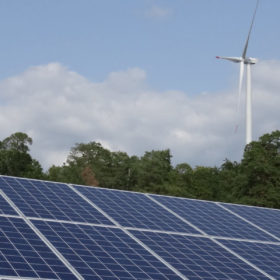
Blaming renewables for power failures is wrong
In the aftermath of January’s blackouts in Victoria and South Australia, public policy think thank Grattan Institute underlines that blaming renewable energy for supply failures is wrong and dangerous. The new report flies in the face of repeated claims by the Coalition government that renewables are undermining the reliability of electricity system.

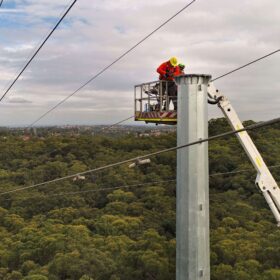
Melbourne trial looks to beef up grid for rooftop solar boom
A $2.2 million trial run by Jemena, AusNet Services, and UNSW Sydney will explore how existing network infrastructure can better integrate with solar power, as Australia’s rooftop PV uptake goes from strength to strength.
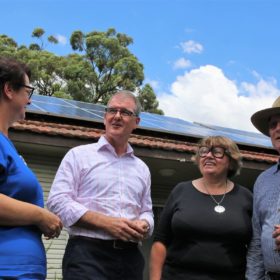
Election power play casts NSW Government and Opposition as sun seekers
Call them aspiring sun gods: In the lead up to the 2019 New South Wales election on 23 March, Shadow Minister for Energy and Climate Change Adam Searle and the NSW Liberal & National Government Energy Minister Don Harwin have both announced solar policies that support NSW householders to install rooftop solar-PV systems and thereby reduce their energy bills.
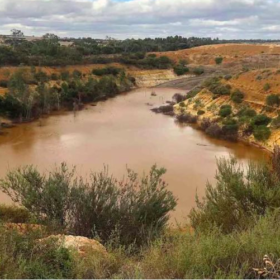
Disused zinc mine transforms into clean energy hub with compressed air storage
In an Australian first, Canada’s Hydrostor is delivering a 5 MW / 10 MWh compressed air energy storage facility, which will store excess solar and wind power at a closed underground mine in South Australia.
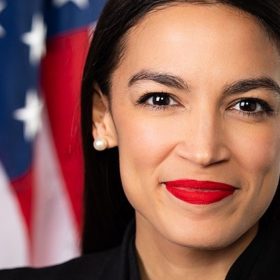
America’s Green New Deal is going to happen at state, not federal level
While U.S. senators Ed Markey and Alexandria Ocasio-Cortez introduce a resolution for a clean energy package, legislation has been tabled in six states aiming to implement 80-100% clean energy by 2050 or earlier.