NSW announces $1.2 billion investment in renewable energy
The New South Wales government has announced its single biggest investment yet in renewable energy infrastructure, committing $1.2 billion to fast-track priority transmission and energy storage projects as the energy sector continues its rapid transformation towards a decarbonised and decentralised future.
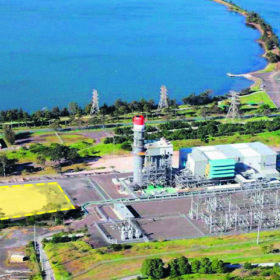
NSW calls for investor interest in Illawarra energy zone
The New South Wales government has invited registrations of interest from renewable generators, energy storage and network developers, and existing and proposed energy loads, to participate in shaping a renewable energy zone to be established in the Illawarra region on the state’s south coast.
Ministers sign off on clean energy transition plans
Australian federal and state governments have agreed to a suite of reforms designed to tackle soaring energy prices, including creating a national transition plan to phase out fossil fuels, financing projects to boost the nation’s electricity grid, and progressing designs for a new capacity mechanism.
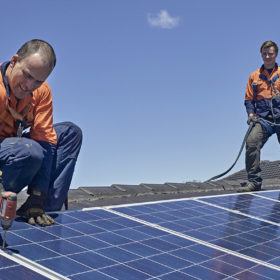
NSW rolls out residential solar program for estimated 1 million homes
About 1 million New South Wales households will be able to apply for an upfront payment of almost $3,000 to put towards a solar system or energy-saving upgrades to home appliances as part of a new state government program designed to reduce energy bills as power prices soar.
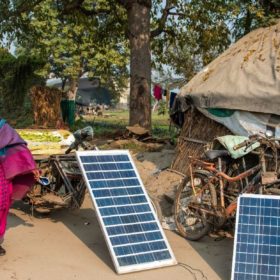
IRENA reveals stark reality of electricity access for all by 2030
The International Renewable Energy Agency’s latest annual report on the progress towards the United Nation’s sustainable development goal seven estimates 670 million people will still lack electricity in 2030, and more than 2 billion will be reliant on unhealthy, polluting cooking methods.
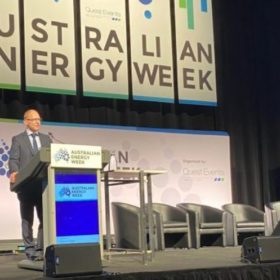
AEMO boss backs renewables to deliver nation’s energy transition
The chief of the Australian Energy Market Operator has declared the need to integrate greater levels of cheap, clean, renewable generation, and the right firming capacity into the national electricity market to ensure Australia’s energy system stays functional through a “once in a generation energy transition”.
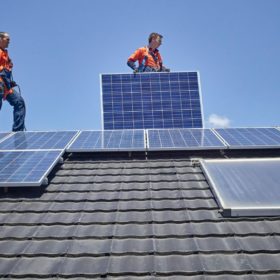
Melbourne homeowner in ‘heritage overlay’ ordered to remove rooftop solar panels
Melbourne’s City of Boroondara council has ordered a homeowner to remove rooftop solar panels on a street-facing facade due to the building’s position in a heritage overlay. In 2021 the City of Boroondara declared a climate emergency and called for a tripling of rooftop solar in the municipality. The homeowner described the decision as “ridiculous.”
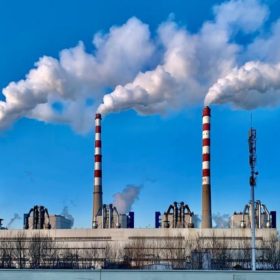
Peak group urges ministers to adopt staged response to energy crisis
A coalition of peak bodies has called on Australia’s energy ministers to work together to accelerate the transition to renewable energy and resist the temptation to focus only on short-term solutions when they meet today to discuss the “apocalyptic rises in energy prices” impacting Australian energy markets.
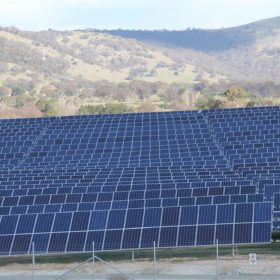
Switch to renewables protects ACT from rising energy costs
The Australian Capital Territory’s switch to 100% renewable electricity is providing electricity users in the nation’s capital with protection from skyrocketing energy costs as consumers in other parts of the nation grapple with rising energy bills.
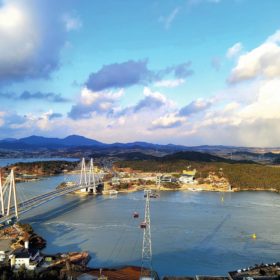
‘Clear winds of change’ in Southeast Asia
After a decade of under-delivering on its potential, there are changes afoot in Southeast Asia’s renewable energy development, says Assaad W. Razzouk, the CEO of Singapore-based developer Gurin Energy. Razzouk points to success stories in the region and notes that political will and clear regulations for developers are needed.