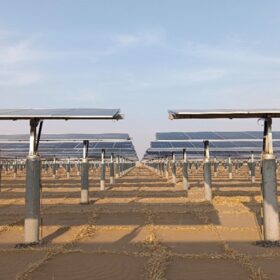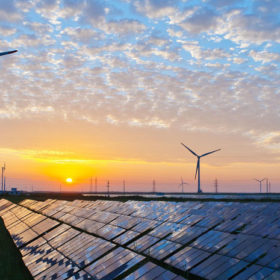
NSW launches energy transition program to propel large-scale renewables, storage
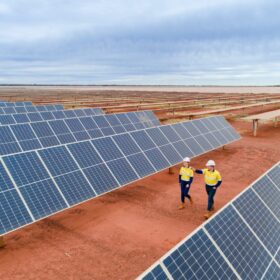
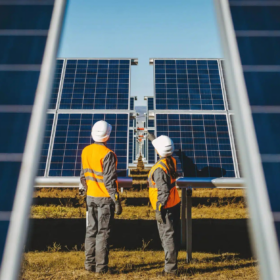
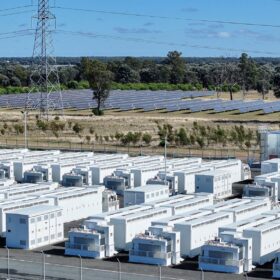
Looking to set the direction for a smart energy future, the New South Wales government has launched the Emerging Energy Program. As part of the scheme, funding will be provided to support the commercialization of new low-emissions, large-scale power generation and storage projects, as well as underpin feasibility studies to help get new projects off the ground.
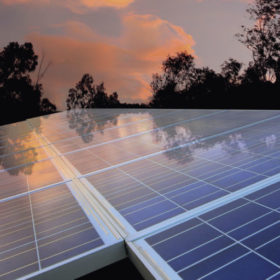
Solar to generate a quarter of Australia’s daytime electricity by 2021
By 2021, solar will become one of the most dominant power sources over peak daytime periods, accounting for around a quarter of the National Electricity Market’s power, shows new analysis by Green Energy Markets. The report underlines that solar is currently reducing expensive demand peaks, and is not close to exceeding demand as certain media reports have suggested.

COAG Energy Council: Emissions reduction obligation taken off energy policy agenda
While there has been no concrete result of the COAG Energy Council meeting on Friday, a clear message was sent that climate change will not be considered as part of the country’s energy policy. The energy ministers remain locked in stalemate until December, when decisions will be made on a reliability obligation and national default offer for power.

Asian-Pacific market to see 355 GW of solar over five years, despite policy challenges
Despite political hurdles in key markets including China, India and Japan, Asia-Pacific remains highly active. This year, 59 GW of solar is expected to be installed and due to further system price declines, a phase-out of subsidy schemes can be offset.
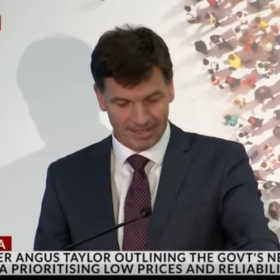
Taylor rules out scrapping SRES
Energy Minister Angus Taylor has said there are no plans to change the Small-scale Renewable Energy Scheme (SRES), despite the ACCC recommendations to wind it down nine years early.
Free solar for NSW low-income households
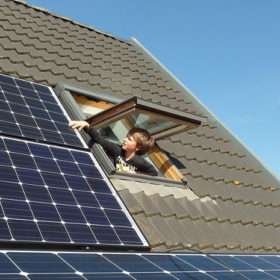
The NSW government has announced a $15 million solar scheme, which will put free solar PV systems on up to 3,400 low-income households provided they forgo their energy rebate.
EVs could become key to renewables uptake and world’s largest source of battery storage
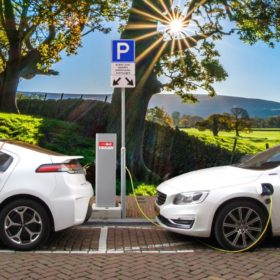
For renewables to claim a more sizable share of the global energy mix, the adoption of energy storage would need to pick up pace and the rapidly increasing size of the EV fleet will offer a scalable way to ramp up such access, says Fitch Solutions.
Leaders and laggards in Australia’s renewables race
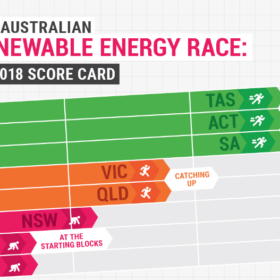
According to a new scorecard released by the Climate Council, Tasmania, the ACT and SA are leading the nation in renewable energy adoption, while WA and the NT are lagging at the back of the pack.
Module prices have decreased by up to 25% so far this year, TrendForce says
According to the Gold Member Solar Report by EnergyTrend (Q3 2018), monocrystalline module prices have fallen almost 20% this year, while those for polycrystalline modules have dropped by more than 25%. Increased consolidation among manufacturers and developers is expected to occur in China and the global solar market, with more merger deals, plans for capacity reductions and even factory closures.
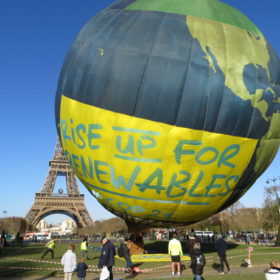
World reacts to IPCC report
A snapshot of how politicians, scientists, institutions, industry, and civil servants have reacted to the Intergovernmental Panel on Climate Change (IPCC) report, released yesterday.