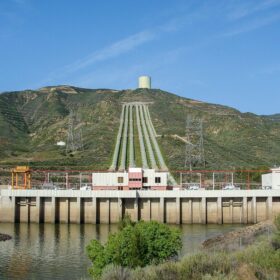
Energy storage is a solved problem
There are thousands of extraordinarily good pumped hydro energy storage sites around the world with extraordinarily low capital cost. When coupled with batteries, the resulting hybrid system has large energy storage, low cost for both energy and power, and rapid response. Storage is a solved problem.
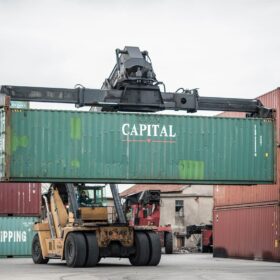
Riding China’s green capital tsunami to harness cleaner future for Australia
As the world races to decarbonise, China is leading the way. It committed more than $145 billion (USD 100 billion) in outbound foreign direct investment since 2023 across decarbonisation sectors including solar, wind, batteries, grid, new energy vehicles, hydro and green hydrogen.
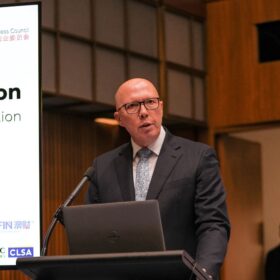
Dutton’s nuclear plan extends coal use, cost unknown
Opposition leader Peter Dutton has revealed the Coalition’s nuclear energy plan relies on many of Australia’s coal-fired power stations running for at least another 12 years – far beyond the time frame officials expect the ageing facilities to last.
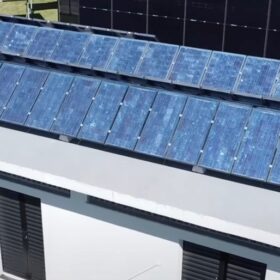
Circular economy and solar photovoltaics: is there a case for second-life PV modules?
What happens to a solar PV module after its expected 25-year operational life? With about 2 TW of rooftop and utility-scale PV already deployed worldwide, and a large number of them being retired before operating for 15 years, the amount of PV modules being discarded is growing every year.
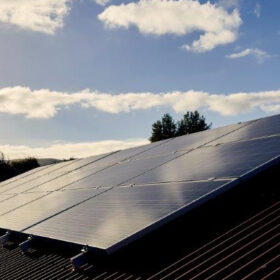
Rooftop solar could solve New Zealand energy crisis, boost resilience
New Zealand’s current electricity supply crisis requires immediate solutions. But we argue the government’s emphasis on importing natural gas and construction of centralised solar farms is a missed opportunity.
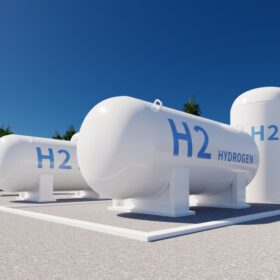
Australia’s hydrogen is dream alive, but are we betting on right projects?
Producing hydrogen remains vital to Australia’s prosperity through the net-zero transition, according to a major strategy that lays a national pathway to becoming a global leader in the low-emissions technology.

Million home batteries could slash need for power lines
It’s no secret Australia has abundant and cheap renewable energy, especially wind and solar power. But yes, there are times when the sun doesn’t shine and the wind doesn’t blow. We need energy storage to get us through those still nights and dreary days.
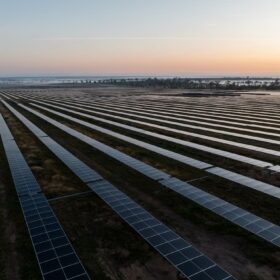
New report maps out Australia’s path to net zero by 2050
A zero-carbon mindset must “become the new normal” in Australia, according to a much-anticipated report from the federal government’s independent climate advisory body.
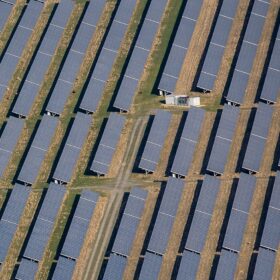
Australia must learn from Europe’s fast-track to renewables
Even after decades encouraging the growth of renewables, we’re still too reliant on coal and gas power stations. The problem isn’t in our ability to generate clean power. It’s what happens after that.

Australia faces shortage of tradies, materials for future grid
As Australia’s electricity supply shifts to clean energy, a big challenge is looming: How do we “keep the lights on” as big coal plants close, and a far-flung network of wind and solar generators replaces them?