Shutting Australia’s dirtiest coal plant a decade early won’t jeopardise electricity supply
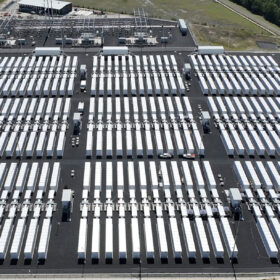
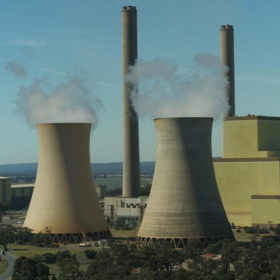
AGL Energy – Australia’s largest emitter of greenhouse gases – announced this week it will shut the Loy Yang A power station in Victoria’s LaTrobe Valley in 2035, a decade earlier than planned.
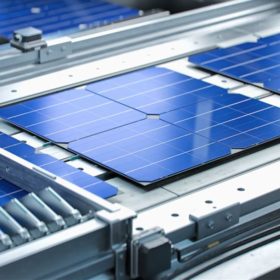
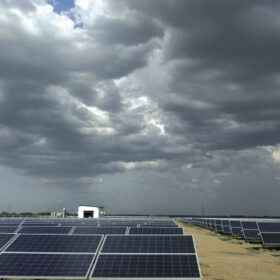
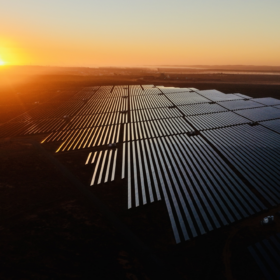
There’s a huge surge in solar production under way – and Australia could show world how to use it
You might feel despondent after reading news reports about countries doubling down on fossil fuels to cope with energy price spikes.

Electric planes are coming: Short-hop regional flights could be running on batteries in a few years
Electric planes might seem futuristic, but they aren’t that far off, at least for short hops. Two-seater Velis Electros are already quietly buzzing around Europe, electric sea planes are being tested in British Columbia, and larger planes are coming.
Now, we begin: Simple ways to make Australia’s climate game truly next-level
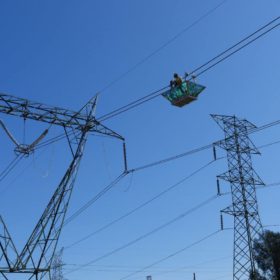
Australia last week moved to tackle the climate crisis when federal parliament passed Labor’s climate bill. But the new law is just the first step. Over the next eight years to 2030, we must get on a steep trajectory of emissions reductions.
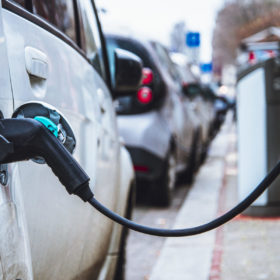
Australia is failing on EVs. California shows it’s possible to pick up the pace
Among the many similarities between California and Australia, both are impacted by bushfires and climate change, and both are home to larger cars and trucks than is the norm in developed countries. They are dissimilar, though, when it comes to electric vehicles and vehicle regulations. While California has been pursuing low-carbon and electric vehicles for decades, Australia has trailed most developed nations.
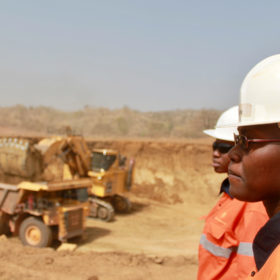
Three ways fossil fuel industry failed women (and how clean energy can learn from mistakes)
A crucial outcome of Australia’s jobs summit earlier this month was the commitment to review programs aimed at boosting the number of women in science, technology, engineering and mathematics (STEM) careers.
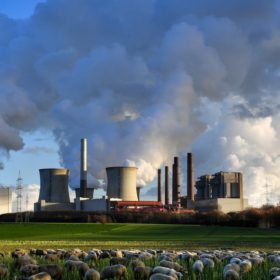
Labor’s climate change bill is set to become law – but 3 important measures are missing
As of Wednesday night, Labor’s climate change bill was poised to pass the Senate after the government agreed to amendments proposed by independent senator David Pocock to improve accountability and transparency.
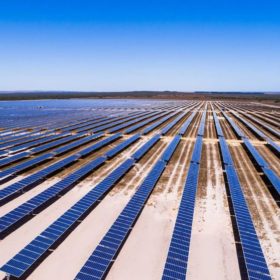
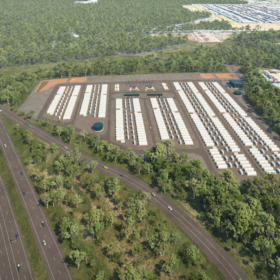
Signals are green for new investment in Australia’s transition to renewables and storage
Australia’s energy challenges are getting a lot of airtime: operational challenges with an ageing thermal fleet; global gas shortages sparked by the war in Ukraine sending prices skyrocketing; the rising cost of power bills; the decreasing reliability and impending retirements of coal generation, and the pressing need for firming/storage solutions.
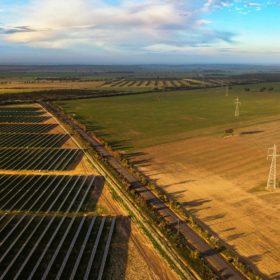
Cutting energy consumption key to replacing fossil fuels with renewables by 2050
Energy consumption – whether its heating your home, driving, oil refining or liquefying natural gas – is responsible for around 82% of Australia’s greenhouse gas emissions.
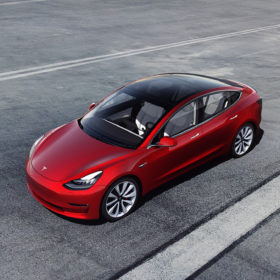
The road to new fuel efficiency rules is filled with potholes. Here’s how Australia can avoid them
Last week, federal Climate and Energy Minister Chris Bowen officially put fuel efficiency standards on the national agenda, saying the measure would reduce transport emissions and encourage electric vehicle uptake.