Zero-emissions solutions are ready to roll, right when the economy needs them most
A major new report finds there is a pathway to zero emissions for every major economic sector in Australia. Over 18 months in the making, Decarbonisation Futures offers fresh ideas for how Australia can embrace the zero-emissions future that is visible on the other side of the pandemic, writes Amandine Denis-Ryan of ClimateWorks Australia.
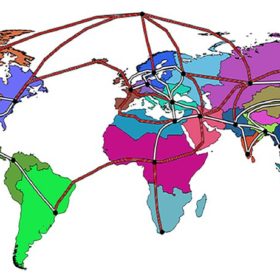
Global supergrid vs. regional supergrids
Researchers from Finland’s Lappeenranta University of Technology have assessed the economic advantages of a fully interconnected global network. They found that an international grid could contribute to a global LCOE of €52.50/MWh. The higher complexity of such a system, however, would only be marginally compensated by additional economic benefits.
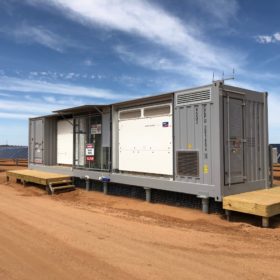
Constraints lifted for five West Murray solar farms
In a major feat for the energy sector, the Australian Energy Market Operator (AEMO) has provisionally lifted generation constraints imposed on five solar farms in the West Murray Zone, following the successful testing of new tuned inverter settings this week.
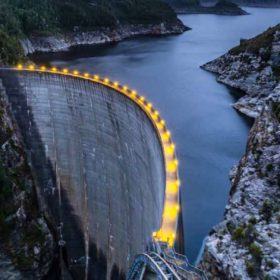
New white paper attests to Tasmania’s deep storage potential
New analysis highlights the need of, and Tasmania’s potential for, deep storage to back up Australia’s future energy market. Tasmania is determined to become the Battery of the Nation.

NEM 2.0 – COAG sets out for two-sided market
The COAG Energy Council’s plan to unlock Australia’s potential to reindustrialise its energy system has taken another step forward with the publishing of an Energy Security Board consultation paper. The paper discusses what the two-sided market required to free up the potential of household energy technology will look like.
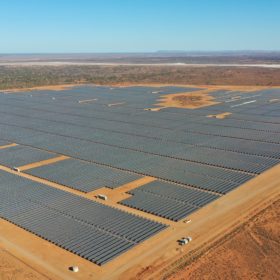
South Australia forecast to add nearly 1 GW of big PV over the next four years
With more than half of its electricity already supplied by wind and solar, South Australia is setting the bar high for how to efficiently decarbonize the grid. As it moves toward its 2030 target of “net” 100% renewables, the speed of the state’s energy transition will depend on a host of factors.
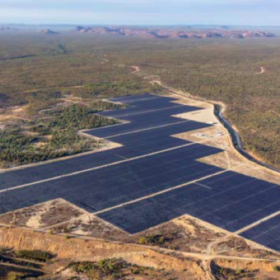
The NEM saw 25% renewable generation in March
Rystad Energy’s analysis of the Australian National Electricity Market over the month of March revealed 25% generation from renewable sources as large-scale solar powers ahead.

Power Ledger, Nicheliving partner for large-scale solar energy trading rollout in WA
More than 100 apartments in Western Australia will get access to blockchain energy trading technology on the back of a three-year deal signed by Power Ledger and developer Nicheliving.
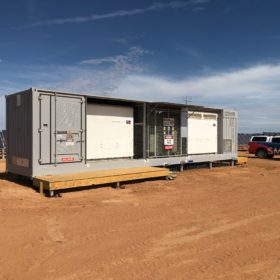
It’s not over easy, but things are looking Sunny Central up in the West Murray
pv magazine’s social media and comments are clamouring for more information on how the West Murray challenge is being won. SMA and AEMO will keep us updated as testing of an inverter-based solution progresses throughout this week, but here’s the latest on the Sunny Central inverter family and the team that makes it play in tune.
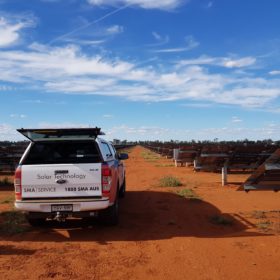
Testing, testing … 5 West Murray solar farms to return to full throttle?
This week is crunch time for the testing of an SMA-devised solution to the system-strength issue that has kept five solar farms generating at half capacity for seven months. If successful, the fix has positive implications for connecting more solar in Victoria, Queensland, the Northern Territory and beyond.