Virtual power plant maximizes performance of renewables assets during periods of energy oversupply
Using a VPP to regulate thousands of data points according to price signals can enable generation asset owners to take care of their systems within seconds and with very high granularity.

Energy sector gets first open-source, tailor-made blockchain
A public enterprise grade energy blockchain has powered up with the promise to accelerate a low-carbon, distributed electricity future. For the first time, energy sector companies are hosting validator nodes on a decentralized network as they seek to adapt to a more digitalized and decentralized energy system.
GreenSync to deliver digital marketplace for DER in UK
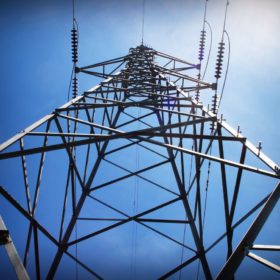
The Melbourne-based energy tech company will deploy its digital platform to connect and coordinate 500 MW of distributed energy resources across the network area of UK Power Networks.
4 GW Walcha project moves forward, massive solar+battery component seeks approval
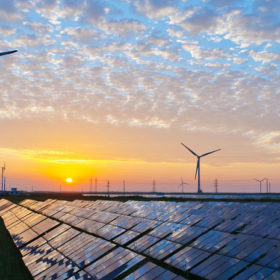
Walcha Energy – a joint venture between Australian developers Energy Estate and Mirus Wind – has lodged the scoping report with the NSW planning authorities for a 700 MW solar farm, a 100MW/150MWh battery and its plans for a renewable energy hub at Uralla.

Think-tank eyes up 10 GW sustainable future for Northern Territory
A new report raises awareness of the potential jobs and revenue opportunities for Territorians in a zero-carbon economy. The 10 GW Vision relies largely on solar PV.
Horizon Power beefs up hosting capacity to accommodate more solar
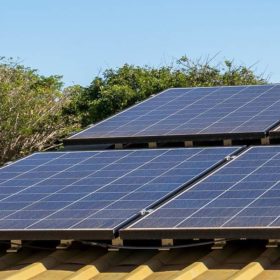
More regional Western Australians will have the opportunity to install rooftop solar panels on their premises with 10 MW of additional renewable energy generation released on Horizon Power microgrids.
Western Australian mines to be powered with solar, wind and batteries
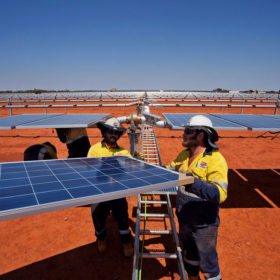
Two Western Australian mines will be powered by renewable energy hybrid microgrids echoing a global shift away from fossil fuels in the mining sector.
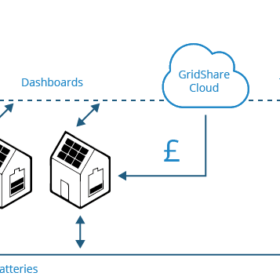
AGL’s new virtual power plant to cover four states
On the back of a successful trial in South Australia, AGL is expanding its virtual power plant to other states. Under the program, customers will be able to save up to $280 a year on their electricity bills and be offered an upfront payment of $1,000 towards the cost of their battery.
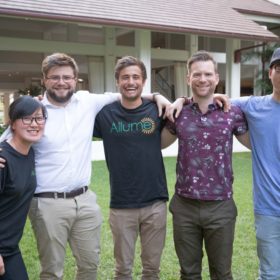
Interview: Tracking loads, allocating solar power, optimising payoffs with Allume Energy
Matching solar supply and energy consumption within a household or business can deliver powerful energy savings. When extended over multi-dwelling properties, like apartment buildings or retirement communities, the benefits are multiple, says Cameron Knox co-founder and CEO of Allume Energy.
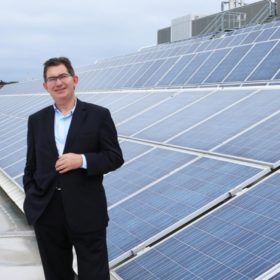
UNSW to step up sustainability efforts with more solar
UNSW Sydney will start procuring all of its electricity from a NSW solar farm by next year and gradually expand onsite solar energy generation by 2022, as well as improve energy and water efficiency to reduce its environmental footprint.