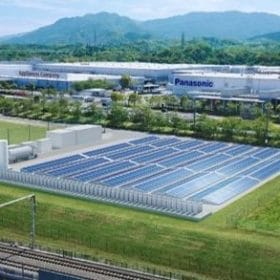
Panasonic combines hydrogen fuel cell generators with PV and storage
The pilot project is combining hydrogen fuel cell generators with a combined capacity of 500 kW with a 570 kW solar array and 1.1 MWh of lithium-ion batteries. It is planned to come online in the spring of 2022.

Water-free, portable cleaning bot for rooftop solar
India’s Aegeus Technologies has developed an autonomous, water-free cleaning bot for rooftop solar installations. The bot weighs 5 kg (with battery) and can be operated remotely through a web-based app. It uses an air wash technology to clean the panels, ensuring no need for water or any harmful chemicals.

Tool offers insight into how solar and wind impact wholesale electric prices
U.S. Department of Energy’s Berkeley Lab has devised a tool to allow users to compare pricing trends across locations, regions, and timeframes, down to the nodal level.

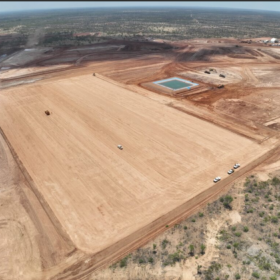
$11 million ARENA/Alcoa project to demonstrate efficient green alumina processing
ARENA and green-thumb Angus Taylor have launched a project to demonstrate that renewable energy can be cost competitive compared to fossil-fuel use in the processing of alumina — providing an incentive for one of Australia’s biggest industries to adopt this technology and offer low-carbon alumina to the world market.
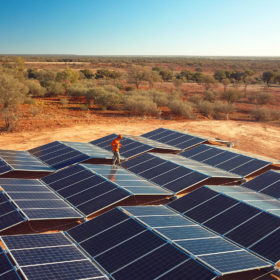
The winning ways of the Australian Technologies Competition
Got a startup that’s contributing to the energy transition, to advancing development of “smart” cities, to decarbonisation of agriculture or mines? The ATC has a track record for scaling up promising tech and has just extended its entry deadline to June 7. Opportunity knocks.
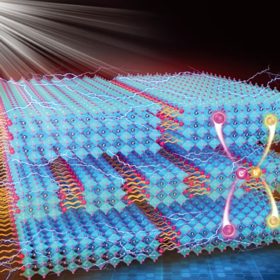
Discovered: Sandwich structure of quasi-2D perovskite film nourishes next-gen solar development
Even as solar researchers strive to squeeze every drop of efficiency from the industry-ruling silicon solar-cell technology, scientists are constantly questing for the next, cheaper, more efficient way of harvesting the sun’s energy to power human endeavours. The appetite for accelerating 2D perovskite solar cell development has just been piqued!

Sunday read: All that glitters is HJT
The devil is in the details, as they say, and when it comes to the next generation of mass-produced, high-efficiency PV cells, silver costs may be devilishly hard to reduce. Making things worse, prices for the precious metal are now heading in the wrong direction.
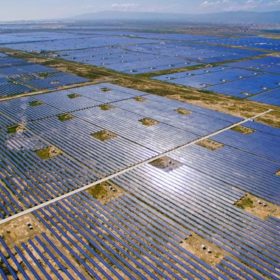
Saturday read: New applications see surge in Chinese demand
China’s project development segment is dynamic, to say the least. Having undergone significant changes toward a “subsidy-free” footing, developers are now facing requirements to integrate storage, deploy hybrid arrays, and pursue self consumption through BIPV and agrivoltaics applications, writes Frank Haugwitz, the director of the Asia Europe Clean Energy (Solar) Advisory (AECEA).
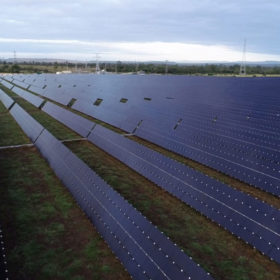
AI-powered trading platforms on the rise in fast-moving markets
Australia’s energy transition from traditional generation to renewable resources is quickening and global energy technology provider Fluence has highlighted that asset operators are turning to automated bidding solutions as they seek to navigate an increasingly complex market.
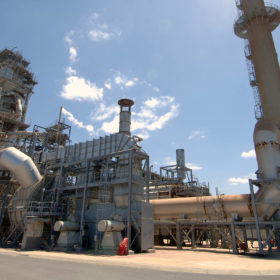
Ampol unveils renewable hydrogen plan for oil refinery site
Australia’s largest petroleum company Ampol has declared its intent to transition away from traditional oil-based fuels, teaming with Ireland’s Fusion Fuel to develop a solar-powered hydrogen production plant at it’s oil refinery in Queensland.