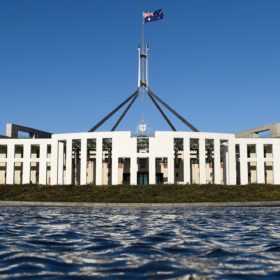
‘Inexpensive line of supply no longer acceptable’: federal politicians move on consequential ban for solar industries
Members of both the upper and lower houses of Parliament are moving to ban the importation of goods made with forced labour by introducing a bill which, if passed, would have profound repercussions for Australia’s solar industry.
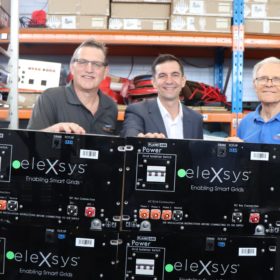
Queensland cleantech company wins grant to build manufacturing base in Australia
Brisbane’s eleXsys Energy has won a government grant which will allow the company behind Australia’s largest grid-connected microgrid to build its manufacturing base here in Australia.
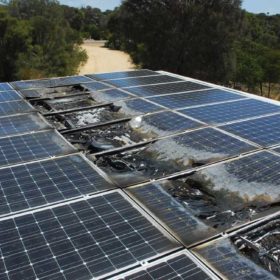
Australia removes much-criticised DC isolator mandate
Following years of lobbying, the Standards Australia Committee has removed the requirement for rooftop solar installations to include a DC isolator.
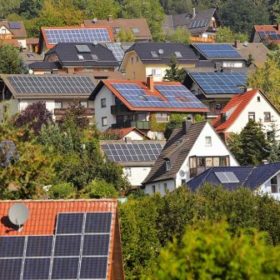
“Crickey!” Rooftop solar makes South Australia the world’s first gigawatt-scale system to hit negative demand
Rooftop solar drove two negative demand events in South Australia on Sunday, November 21, events which analysts are describing as a world-first for a gigawatt-scale power system.
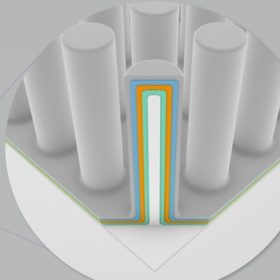
3D solid-state thin film battery from the Netherlands
Developed by a spin-off of Dutch research institute TNO, the battery is claimed to offer higher energy density, longer lifespan and increased safety compared to conventional lithium-ion batteries. It will initially be applied in wearables and electric cars.
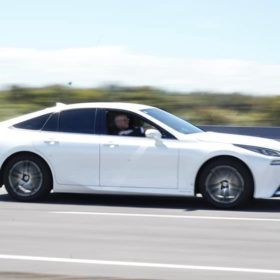
We must rapidly decarbonise road transport – but hydrogen’s not the answer
Hydrogen has been touted as the fuel of the future, and the technology features prominently in the Morrison government’s plan to reach net-zero emissions by 2050.
Shell teams with ICG to buy Meridian’s Australian assets in $729m deal
International oil giant Shell is set to acquire Australian energy retailer Powershop after partnering with Sydney-headquartered investment manager Infrastructure Capital Group in a $729 million deal which will see the consortium purchase all of Meridian Energy’s Australian assets.
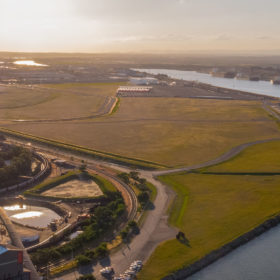
NSW gives $3 billion hydrogen strategy the green light
The New South Wales Government is expecting the state’s green hydrogen industry to boom after the legislation underpinning its Hydrogen Strategy was approved by the parliament, unlocking up to $3 billion in government incentives to rapidly increase the scale and competitiveness of the industry.
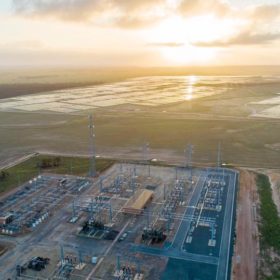
Funding round fuels SUN Energy’s Asia-Pacific plans
The owner of the 100 MW Merredin Solar Farm in Western Australia has confirmed it will look to accelerate its roll out of renewable energy projects in the Asia-Pacific region after raising more than $34 million in Series A financing.
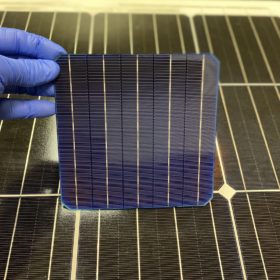
Novel solar cell architecture to reduce silver costs, improve voltage
Developed by a U.S.-based start-up, the new manufacturing process is claimed to reduce silver consumption and improve solar module performance by up to 3 watts. It consists of connecting sub-cells in series within a single cell in order to increase the device voltage and without requiring cells to be physically broken and rewired.