Infinite Blue Energy purchases WA solar farm to realise green hydrogen project by 2023
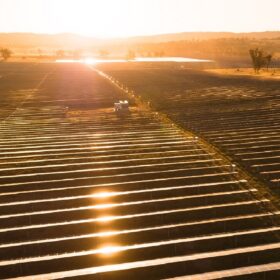
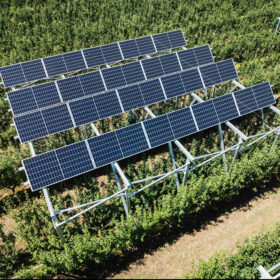
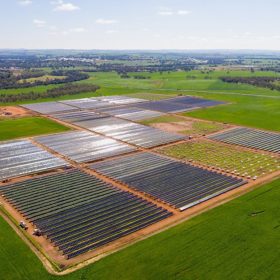
Western Australian company Infinite Blue Energy has today announced it will purchase Northam solar farm, which sits an hour east of Perth. The acquisition will accelerate the company’s green hydrogen project as it aims to produce up to 4.4 tonnes of renewable hydrogen daily from next year.
WA company recovering battery-grade vanadium from waste hailed by EU as on ‘cusp’ of major player status
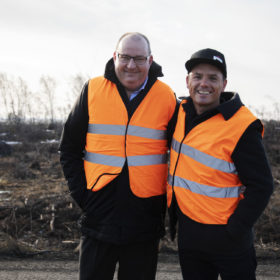
A West Australian joint venture seeking to recover high-purity vanadium from a steel industry waste product using a carbon negative process has won the support of the European Union. “We’re not the first people to look at that project, but we’re the first people to look at it through a different lens and use this type of process,” Neometals’ General Manager of Commercial and Investor Relations, Jeremy McManus, told pv magazine Australia. The project, which is still in the early stages, is already been sought out by potential offtakers “desperate to secure green vanadium,” McManus added.
Fortescue to become Europe’s largest renewable hydrogen supplier with $50 billion deal
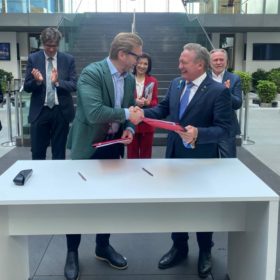
The deal between Fortescue Future Industries and E.ON, one of Europe’s largest energy network operators, will see the Australian company deliver five million tonnes of green hydrogen to Germany, the Netherlands and other European cities by 2030. “For us, it’s a minimum $50 billion expenditure. And that is one I welcome,” Fortescue founder Andrew Forrest said at press conference in Berlin overnight.

Federal budget promises billions in election handouts, virtually nothing for renewables
Renewables, climate change mitigation, the energy transition and Australia’s economic future were all big losers in Tuesday’s 2022-2023 federal budget. Treasurer Josh Frydenberg’s budget not only fails to provide direct funding for renewable energy projects but actually continues cuts to important institutions, and moreover proves the Morrison government’s belated 2050 net zero emissions plan was merely lip service prior to last year’s COP26 climate summit in Glasgow.
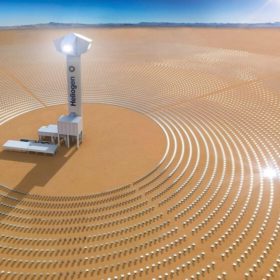
Woodside backs concentrated solar startup ahead of Australian tech push
Australian fossil fuels giant Woodside will invest in US-based concentrated solar startup Heliogen, supporting its construction of a full-scale concentrated solar thermal demonstration plant in California ahead of a push into Australia.
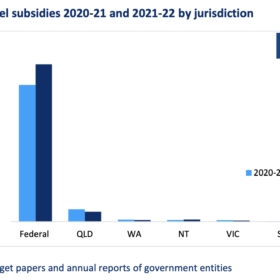
Federal fossil supports grows to $10.5 in FY22 as own party rules ARENA changes illegal
A standing committee has blocked federal energy minister Angus Taylor’s longstanding attempts to allow ARENA to fund fossil fuel projects, finding it illegal. The ruling came on the same day new analysis found the Morrison government’s fossil fuel subsidies increased 12% in FY22, costing taxpayers a total of $10.5 billion.
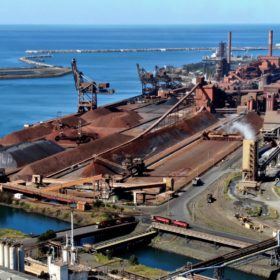
NSW hydrogen hubs draw eight times more interest than expected
Traditionally one of the slower states to move away from fossil fuels, New South Wales is rapidly turning the tables – and the market is responding enthusiastically. The state government yesterday revealed it had received more than $4 billion worth of investment interest for its Hunter and Illawarra hydrogen hubs.
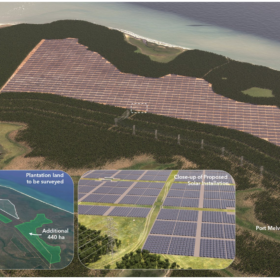
2.8GW green hydrogen project in the NT gains key approvals, expands solar potential by a third
Western Australian company Global Energy Ventures has had several permissions granted for its 2.8GW green hydrogen export project on the Tiwi Islands, off the coast of the Northern Territory, including potentially increasing the acreage for its proposed solar farm.
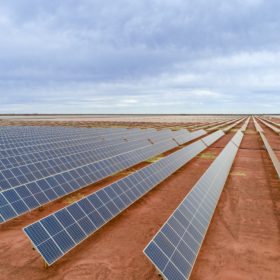
Territory government ramps up support for 20GW solar and battery project
The world’s largest solar PV and battery energy storage project has locked in renewed political support with the Northern Territory government confirming it will introduce special legislation into parliament this week that will facilitate the development of the giga-scale Australia-Asia PowerLink project.
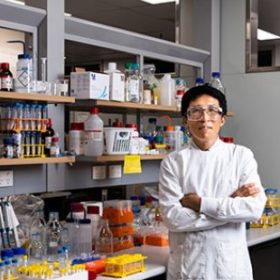
UQ researchers promise lifespan boost for lithium-ion batteries
Researchers from The University of Queensland have developed a new nanotechnology that they say more than doubles the lifespan of high-voltage lithium-ion batteries, paving the way for higher density and lower-cost energy storage solutions.