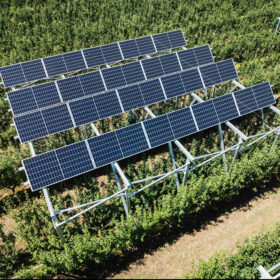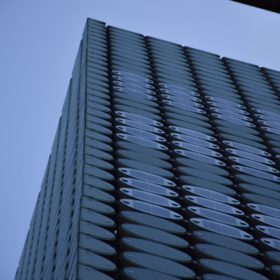
Aussie researchers find best BIPV envelope design alternatives
Scientists in Australia have developed an optimisation framework for building-integrated photovoltaics that allows the selection of design variables according to user preferences. Their model considers PV-related features such as tilt angle, window-to-wall ratio (WWR), PV placement, and PV product type, as well as objective functions and constraints such as the net present value and the payback period.
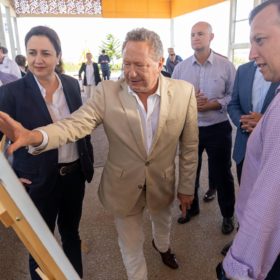
Fortescue seals future for green hydrogen in Queensland
Fortescue Future Industries’ plans to establish a 2GW renewable energy infrastructure-manufacturing facility and a separate 50,000 tonne green hydrogen production facility in Queensland have reached a major milestone with state-owned network operator Powerlink agreeing to connect the project sites to its transmission network.
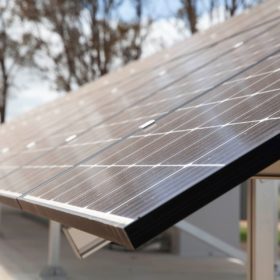
New rules allow distributors to roll out standalone power systems in NEM
The deployment of standalone power systems in the National Electricity Market is expected to accelerate after the Australian Energy Market Commission this week published new rules allowing distributors to install the renewables-based technology in the five market jurisdictions.
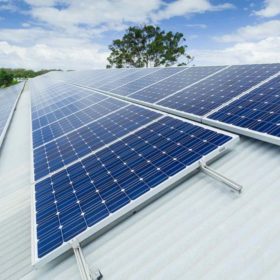
NSW council considers making rooftop solar PV compulsory
More than 3 million Australian households and small businesses have voluntarily installed rooftop solar systems but a local council in New South Wales is looking to mandate the continued rollout, investigating the potential for all new homes built in its region to be required to have solar PV panels on the roof.
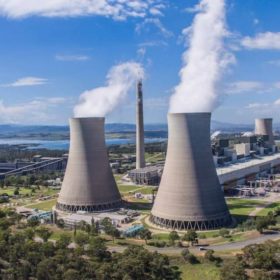
Why the Australian government should welcome Mike Cannon-Brookes’ plan to takeover AGL
Prime Minister Scott Morrison has flatly opposed the bid led by tech billionaire Mike Cannon-Brookes to buy Australia’s biggest energy company AGL and spend $20 billion switching it to renewables. This includes closing its coal power stations by 2030.
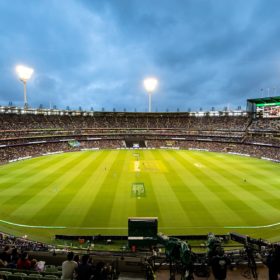
MCG claims Australian first with switch to 100% renewables
The famous Melbourne Cricket Ground is claiming an Australian first with energy retailer EnergyAustralia saying the iconic sports ground in the Victorian capital is the first major stadium in the nation to be run entirely on 100% renewable power.
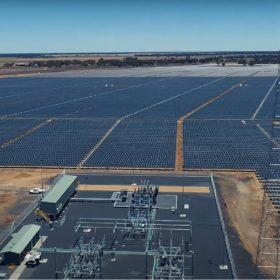
NSW councils sign $180m renewable energy supply deal
A cohort of 25 New South Wales councils has signed a renewable energy supply deal worth an estimated $180 million that will see the local government associations supplied with electricity sourced from three of the state’s large-scale solar farms.
Australian hydrogen battery technology to be tested in UK
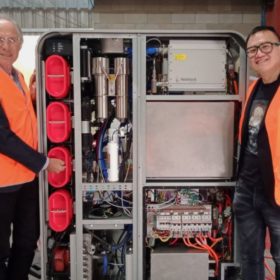
Australian technology company Lavo’s innovative energy storage system – based on storing green hydrogen in a patented metal hydride – has attracted the attention of the UK government which has provided financial backing to allow for a demonstration facility to be installed in England’s northwest.
LG shuts down solar module manufacturing operations
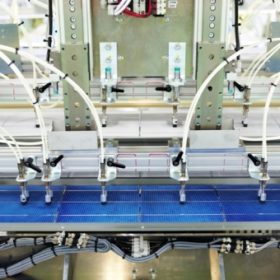
South Korean solar module maker LG Electronics has announced it will shut down its solar panel manufacturing business by the end of June, citing uncertainties in the global solar industry for its decision.
Hydrogen Stream: Brits approach Australia to boost bilateral cooperation, Aussie engineers join asset-building consortium
Looking to deepen their hydrogen collaborations, the UK government last week spoke with Australian politicians. Meanwhile Australian engineer Worley has entered into an MoU with ABB and IBM to develop an “integrated, digitally enabled solution for facility owners to build green hydrogen assets more quickly, cheaply, and safely.”