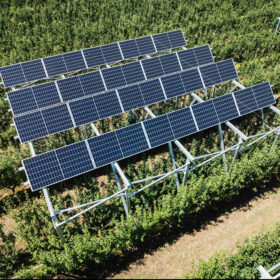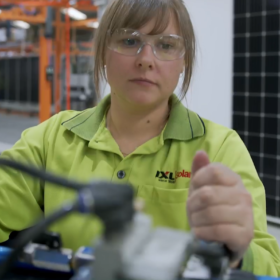
5B acquires Adelaide manufacturing plant ahead of global gigawatt-scale push
Sydney-based solar pioneer 5B has today announced it will acquire IXL Solar’s Adelaide-based manufacturing business, with pv magazine Australia told the purchase will see 5B buy everything but the name, effective immediately.
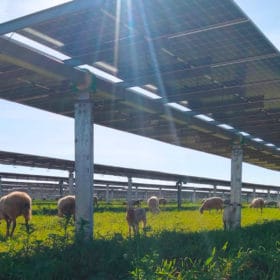
World’s largest renewables player granted retail license for Australia
Italian energy utility giant Enel Group has been granted a retail energy licence for Australia, with the company saying it will soon be one stop shop ‘greentailer’. Supported by its established Australian operations Enel X and Enel Green Power Australia, the new green energy retailer will first target commercial and industrial customers before expanding to residential customers.
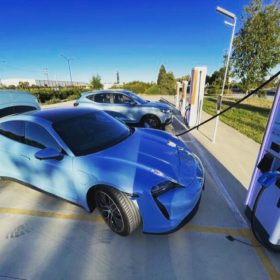
Victoria’s EV subsidy sees 200% sales boost as $8 million allocated to charging infrastructure
The Victorian government has today announced it will put $5 million towards installing fast-charging stations across the state and $3 million in new charging infrastructure grants for local council and business fleets. The government also simplified access to its $3,000 electric vehicle subsidy, saying the program has led to a 200% sales increase in the last six months.
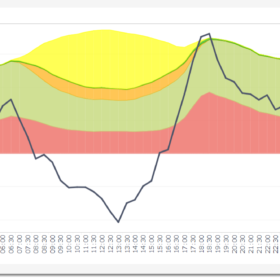
SA batteries paid to charge as solar sends electricity prices negative
Batteries in South Australia have been paid to charge throughout September and October 2021 due to a record number of negative price intervals. Wholesale electricity prices were negative almost 40% of the time.
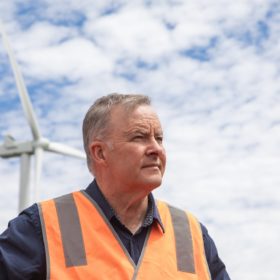
Renewables to rise as Labor targets 43% emissions reduction
Federal Labor plans to increase the share of cheap renewable energy in the National Electricity Market to 82% by 2030 as part of its pledge to cut greenhouse gas emissions by 43% by the end of the decade if it wins power at the next election.
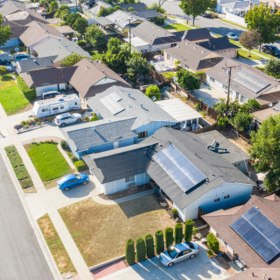
Commercial returns on VPPs ‘proven’ as expanded program adds more sophisticated features
Simply Energy on Thursday announced it will be extending its Virtual Power Plant program across the eastern seaboard and opening it up to five different battery brands. Simply Energy will continue its technology partnership with SwitchDin to do so, with Ryan Wavish, Simply’s General Manager, and Andrew Mears, CEO and founder of SwitchDin, telling pv magazine Australia they plan to introduce a whole range of new, more advanced features into the VPP as the relationship between the two companies evolves.
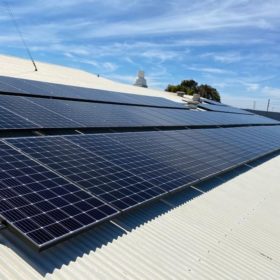
Australian solar module manufacturer commits to recycling strategy
Reclaim PV has added another partner to its national solar panel recycling and recovery program with South Australian-based manufacturer Tindo Solar committing to a program that will see close to 100% of the solar PV panels that it handles recycled and re-used in the industry.
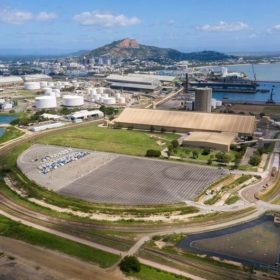
NERA gives gegional hydrogen ‘clusters’ green light
Hydrogen industry developers in Western Australia and Queensland are set to benefit from a federal government-funded initiative with three new regional hydrogen technology clusters identified to further support the growth of Australia’s green hydrogen industry.
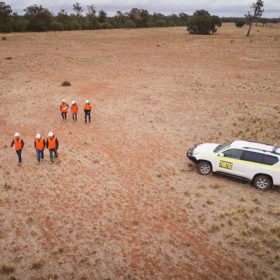
$2.4 billion battery minerals complex granted major project status
The way has been smoothed for Australian mining company Sunrise Energy Metals to take advantage of the booming lithium-ion battery industry with the federal government awarding Major Project Status to a $2.4 billion nickel and cobalt mine being developed in New South Wales.
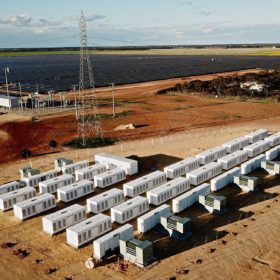
Charges unchanged as AEMC reveals final rule for batteries
The Australian Energy Market Commission has opted not to move “the goal posts on network charges” for energy storage projects, including large-scale batteries and pumped hydro, rejecting a request from the Australian Electricity Market Operator to exempt operators from being charged when drawing power.