Minister provides stamp of approval for VNI West powerline plan
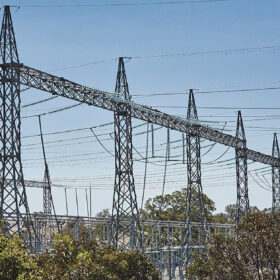
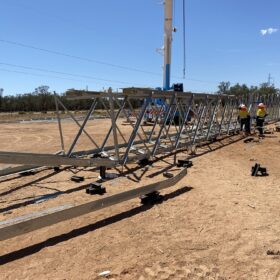
The Victorian government has signed off on a preferred development plan for the contentious VNI West transmission project that will connect the Victorian and New South Wales electricity grids and promises to unlock upwards of 3.4 GW of new renewable generation capacity.
Cannon-Brookes, Quinbrook consortium secures Sun Cable
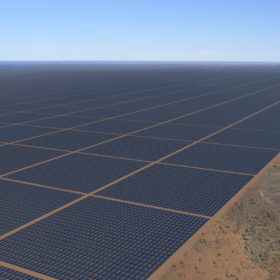
A consortium led by tech billionaire Mike Cannon-Brookes’ Grok Ventures and including green energy investment manager Quinbrook Infrastructure Partners has been successful in acquiring the giant $35 billion Sun Cable renewable energy project.
Epic Energy launches Australia’s largest commercial microgrid
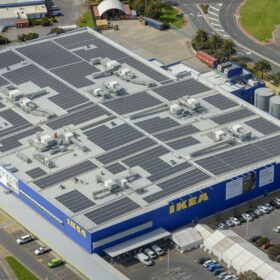
Australia’s largest grid-connected urban microgrid has been officially commissioned with a new rooftop solar-powered system atop Swedish homewares giant Ikea’s Adelaide store already delivering more than 70% of the store’s energy needs and providing grid support for the South Australian network.
IEA report reveals shift to clean energy accelerating
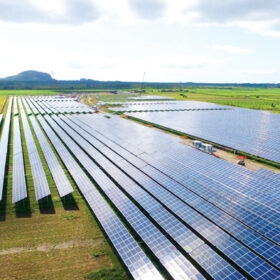
Solar has been described as the “star performer” by the International Energy Agency which has forecast that global investment in clean energy is on course to rise to $2.61 trillion (USD 1.7 trillion) in 2023, with spending on solar set to eclipse outlays on oil for the first time.
Funding confirmed for 3 GW green hydrogen project
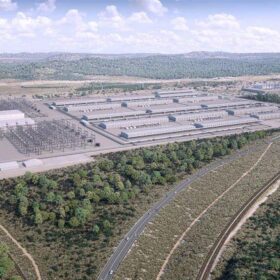
Australia’s push to become a green hydrogen superpower has gained new momentum with the federal and Queensland governments teaming with consortium partners to deliver $117 million (USD 76 million) to progress a 3 GW renewable hydrogen project being developed near Gladstone on the central Queensland coast.
Victoria introduces dynamic export rule for rooftop solar
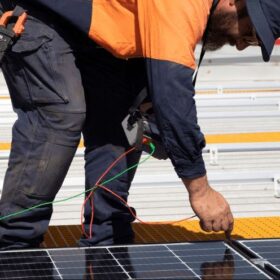
The rise of rooftop solar in Victoria will see all new inverters installed under the state government’s solar and battery rebate programs soon required to be technically capable of remotely updating and enacting dynamic export limits to allow network companies to manage the export of rooftop solar back in to the grid.
Widespread misreporting of NSW renewable energy zone cost ‘blowouts’ and delays
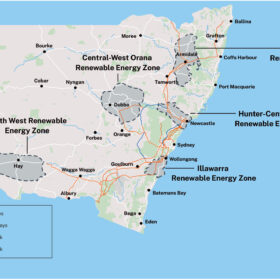
The numbers behind headlines of billion dollar cost blowouts and delays to New South Wales’ energy transformation appear foggy at best, with unexamined sources seemingly leading to widespread misreporting.
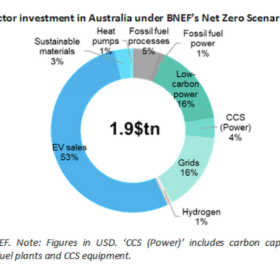
To be a hydrogen superpower, Australia requires 812 GW of renewables by 2050, BNEF says
To reach net zero by 2050, Australia will need 300 GW of wind and solar, and $413 billion (USD 2.72 billion) of investment, according to BloombergNEF. To reach hydrogen superpower status, that figure balloons to 812 GW of renewables and $739 billion of investment.
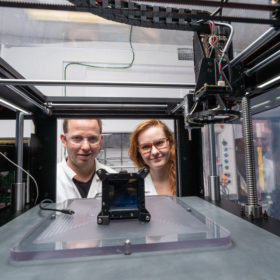
Six ACT companies awarded grants from innovation fund to commercialise promising tech
The ACT government has awarded over a million dollars to support the commercialisation of technologies from six upcoming renewable companies. Round three of the territory’s $12 million innovation fund includes support for a startup which has developed a 3D printer capable of printing electronics.
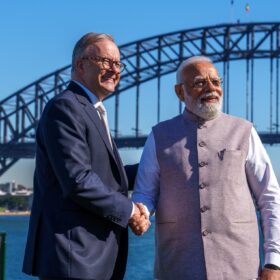
Australia and India establish hydrogen taskforce, deepen renewable ties
Australia and India will establish a Green Hydrogen Taskforce, with prime ministers today agreeing to the Taskforce’s terms of reference. The meeting strengthens ties between India and Australia in relation to renewable energy ambitions and manufacturing, with plans extending to critical mineral and solar manufacturing.