SA drives ahead with road-user charge for EV owners
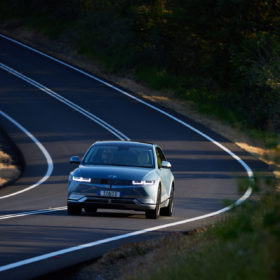
Owners of electric cars in South Australia will soon be charged for every kilometre they drive with the state government’s push to impose a tax on electric vehicles gathering speed with a Bill to allow the new road-user levy passed in the Upper House.
Saturday read: Powerful equation to expand C&I
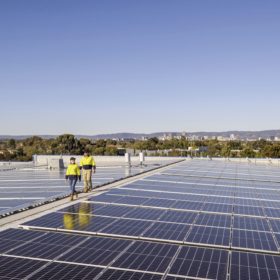
Big rooftop PV systems on factories, warehouses and public buildings need not be limited by ownership issues nor local grid capacity, claims Australian innovator EleXsys Energy. The company is maxing out an Ikea in Adelaide, Australia, with solar and storage. And it claims its smart technology can allow the same to be done elsewhere.

BHP inks supply deal with Australia’s largest wind+solar farm
Mining giant BHP is poised to finalise a “bespoke” renewable energy agreement with the Australian arm of Spanish energy group Iberdrola for the 317 MW Port August Renewable Energy Park in South Australia to supply up to 50% of the miner’s electricity needs for its Olympic Dam mining operation.

Contracts are out for major SA construction works on Project EnergyConnect
Nothing if not critical, the 900 km renewable energy transporter is inching towards shovel time. This weekend ElectraNet awarded transmission and substation contracts for South Australia’s piece of the electron super highway to Australia’s National Electricity Market.
NSW gives Australia’s biggest transmission project green light
Transmission network operator Transgrid has secured state government approval for a “critical” $2.28 billion electricity interconnector that will link the New South Wales and South Australian energy networks for the first time.
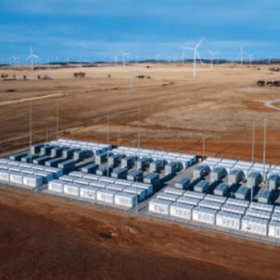
Australian regulator takes Tesla big battery to court
The Australian Energy Regulator has filed a lawsuit against the Hornsdale Power Reserve, which is owned and operated by French renewable energy developer Neoen, alleging it failed to provide the grid security services it was paid to deliver.
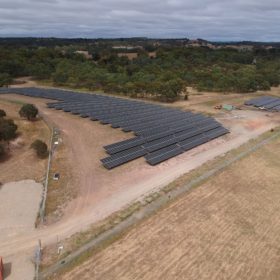
Solar energy on tap for SA water
Power and water are a classic utility couple. SA Water has switched up the relationship with another solar plant energised in its massive solar rollout that is set to save on both costs and carbon.
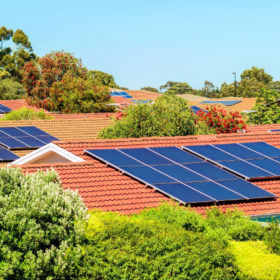
Let South Australia’s world-leading flexible solar exports trial begin!
Since July last year, SA Power Networks has been refining the technology and stakeholder engagement mechanisms that will enable dynamic solar exports to the grid, potentially ending an era of severe export limits on new customers in rooftop-solar-rich parts of the South Australian network and in other jurisdictions.
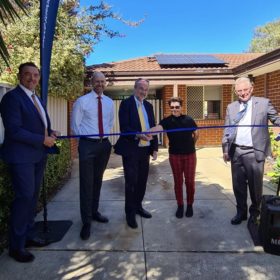
Low-income tenants get relief in Australia’s big public-housing solar retrofit — latest evidence from WA
For a small infrastructure investment in rooftop solar systems, state governments can make a material difference to the lives of social housing tenants, and further their net-zero ambitions. Western Australia reports another win-win.
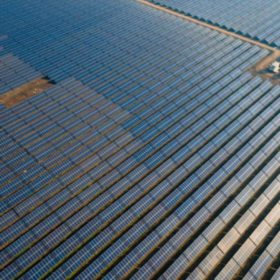
Land secured from traditional owners for solar + storage, progressing SA’s 1.3 GW renewable hub
Canadian clean energy company Amp Energy has secured a lease agreement with Indigenous landowners to develop a solar farm and storage system in Whyalla, South Australia. The project is one of three sites which make up the company’s proposed Renewable Energy Hub of South Australia, announced in May.