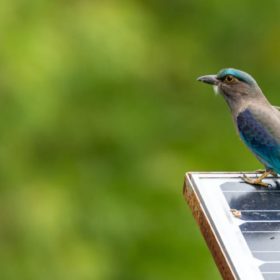
Win-win: how solar farms can double as havens for wildlife
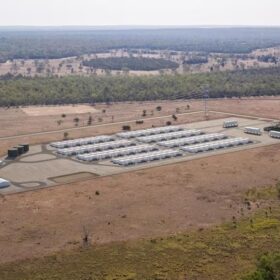
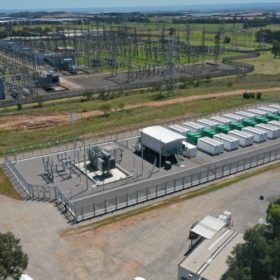
Australia’s renewable energy transition has prompted the construction of dozens of large-scale solar farms. The boom helps reduce Australia’s reliance on fossil fuels, but requires large areas of land to be converted to host solar infrastructure.
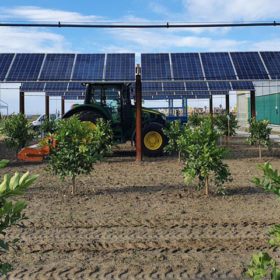
Adapting agrivoltaics to different climates, crops
An international consortium led by Italy’s Eurac Research launched the Symbiosyst project to adapt PV modules, mounting structures, and maintenance technologies to the needs of various crops in agrivoltaic installations in different climates.
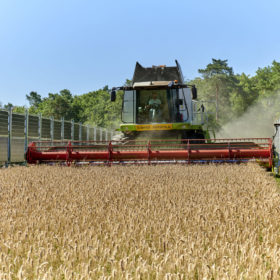
Vertical agrivoltaic pilots in France find improved yields and less water stress
French energy giant TotalEnergies studied the impact of solar panels on crops in order to develop a repository of agronomic benefits. The initial results show an increase in agricultural yields on field crops and a reduction in water stress.
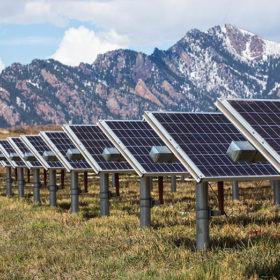
Cooling down solar modules by increasing space between panel rows
A US research team claims to have demonstrated that increasing the spacing of solar panels between rows improves PV system efficiency and economics by allowing airflow to cool down the modules. The method could improve a project’s LCOE by as much as 2.15% in certain climates.
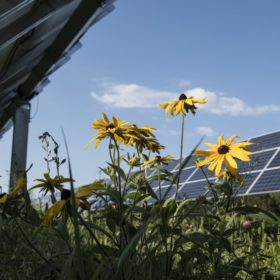
Novel method to turn existing solar parks into agrivoltaic facilities
An international research team has developed a new methodology to increase levels of pollination at ground-mounted solar plants. It involves the development of new vegetated land cover below and around solar parks.
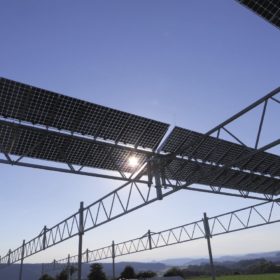
New method to evaluate performance, LCOE of elevated agrivoltaics
Scientists in Belgium have developed a way to assess elevated agrivoltaic projects, by calculating key performance indicators such as energy yield and levelized cost of energy (LCOE). They have found that shade-tolerant crops such as potatoes could potentially be paired with around 1,290 GW of PV capacity in Europe.
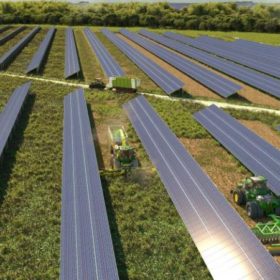
Agrivoltaics adding value to crops with low agricultural yield
A group of 35 French agricultural entrepreneurs decided to change their agricultural practices to adapt to the low quality of their groundwater and chose agrivoltaics as a way to compensate for crop yield losses.
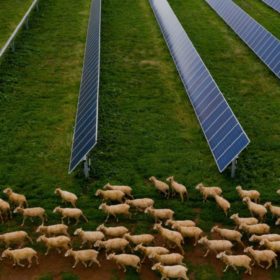
Graziers in NSW agrisolar trial report improved wool quality
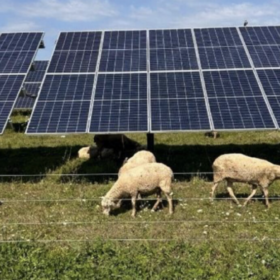
With over a dozen solar farms colocated with grazing sheep in Australia, results are looking positive. Graziers in New South Wales are reporting improved wool quality from the agrivoltaics trials, with some even saying they’ve had greater wool yields from running less sheep.
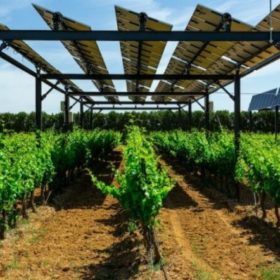
France defines standards for agrivoltaics
France’s environmental agency Ademe has released a set of new guidelines that clearly define “agrivoltaics.”
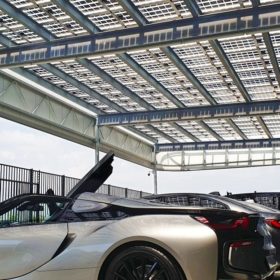
Bifacial solar modules with 30% transparency rate for agrivoltaics, carports launched
Slovenian solar manufacturer Bisol is offering its new product with outputs of 260 and 300W, respectively. Front efficiencies ranges from 13.5% to 14.0% and the temperature coefficient is -0.35% per degree Celsius.