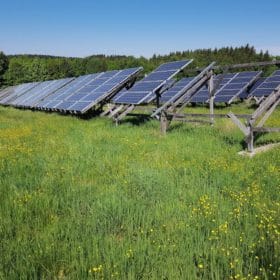
Computational model for agrivoltaics
A U.S. scientist has developed a computational framework that assesses how well a hypothetical agrivoltaic project would perform in achieving desired outcomes such as the volume of PV electricity produced, and energy-to-agriculture. The method considers the high-frequency decomposition of solar irradiance into multiple rays and analyzes how these rays are propagated forward in time, to assess multiple reflections and absorption for various system configurations. It also takes into account panel inclination, panel refractive indices, sizes, shapes, heights, and albedo.
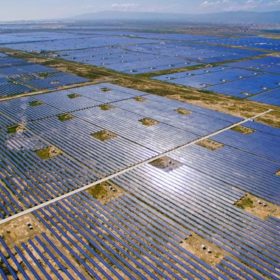
Saturday read: New applications see surge in Chinese demand
China’s project development segment is dynamic, to say the least. Having undergone significant changes toward a “subsidy-free” footing, developers are now facing requirements to integrate storage, deploy hybrid arrays, and pursue self consumption through BIPV and agrivoltaics applications, writes Frank Haugwitz, the director of the Asia Europe Clean Energy (Solar) Advisory (AECEA).
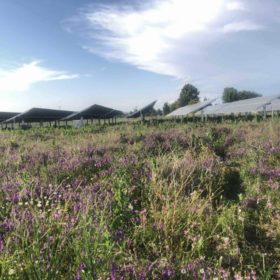
Shaded solar parks found to be beneficial for pollinators and plants alike
Researchers in the US ascertained that the partial shading provided by solar parks creates a microclimate that favours the abundant growth of more varied flowers and pollinators. They also found that partial shading increases bloom abundance by delaying bloom timing, increasing forage for pollinators during the hot and dry late season.
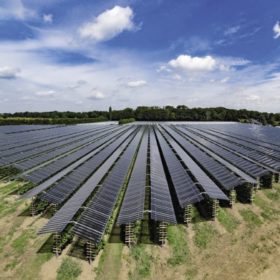
Sunday read: Building PV for the future
Financiers and investors have always understood that PV power plants play a more prominent role than just generating profits – they also produce electricity without emitting carbon. Lately, the sector is discovering that PV can fulfill a much larger range of environmental functions – improving biodiversity, removing carbon from enriched soils, and producing food in an environmentally sustainable way. Everoze Partner Ragna Schmidt-Haupt argues that putting ecological sustainability at the heart of PV project planning and operation should become the new standard.
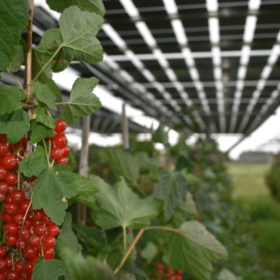
Baywa’s ‘fruitvoltaic’ project to bear fruit – 23 tons a year, in fact
A 1.2 MWp installation featuring more than 4,500 solar panels has sheltered a berry crop from high temperatures and damp to strengthen the claims made by agrivoltaics companies that their systems can offer climate change mitigation as well as clean energy.
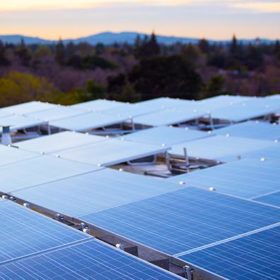
Q&A: Why bigger is better
Who says size doesn’t matter? The talk of the solar industry town at the moment is the increasing module size. Trina Solar is right in the thick of this revolution with the release of several larger format modules back-to-back in recent months. As pv magazine Australia gets ready to host a webinar with Trina Solar Australia this coming Thursday, we sat down with one of the company’s APAC directors, Andrew Gilhooly, to talk shop.
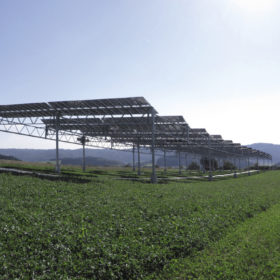
Saturday read: Solar’s flexibility can be agriculture’s gain
Both solar and the farming industry are beginning to see potential in the combined use of land for food production and energy generation. And as innovators begin to experiment with different forms, it’s becoming clear that in most cases it is solar that will have to bend to the needs of agriculture, and not the other way around, to ensure a positive outcome.
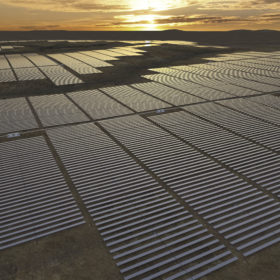
Renewables need land – and lots of it. That poses tricky questions for regional Australia
Renewable energy capacity in Australia is expected to double, or even triple, over the next 20 years. There is one oft-overlooked question in this transition: where will it all be built?
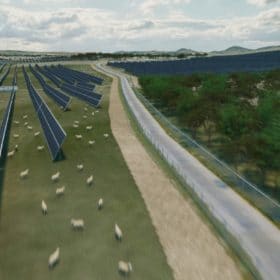
120 MW agrivoltaic Wallaroo Solar Farm set for 2021 construction
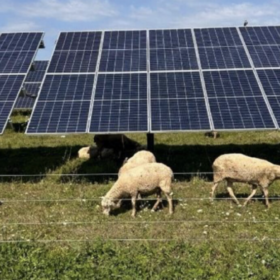
Spanish-Japanese renewable energy company Univergy Solar and local partner New Energy Developments are set to begin construction on the 120 MW Wallaroo Solar Farm on the NSW/ACT border by the end of 2021. The agrivoltaic installation will operate symbiotically as a generator of clean energy, grazing land, and a thriving habitat for native vegetation and pollinators.
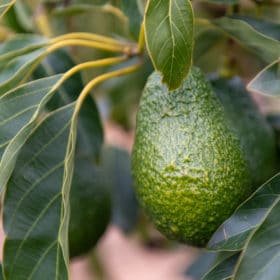
VIC Govt funds experiment to test benefits of solar in orchard farming
Unlike other nations with more limited land and faster growing populations, Australia has not yet understood the symbiotic benefits which accrue when solar PV and agriculture are combined. This week, the Victorian Government announced its Horticulture Solar Energy program and $5 million in funding for the Tatura SmartFarm to experiment with solar atop a pear orchard.