South Australia’s renewables gain dispatchable back-up
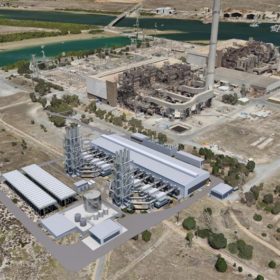
South Australia’s renewables, particularly wind, have received firm dispatchable back-up as Barker Inlet Power Station begins generating energy for the first time.
Same same but different module
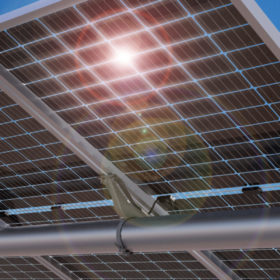
Utility-scale solar is booming in Australia. Quality assurance, especially solar panel testing, helps achieve better performance and lower costs. Best-practice testing is key, writes Michelle McCann, managing partner at PV Lab Australia, but must be planned and fully integrated into a project from an early stage. This integration ensures flow-through from panel manufacturers to commercial buyers and large project owners.
Distributed storage market to grow nearly twentyfold by 2028
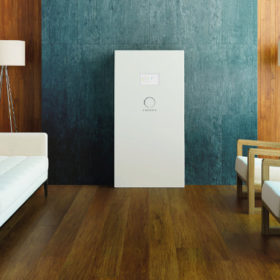
Market intelligence company Navigant Research has developed a country forecast of the global market. Incentives and pricing will be the main driver of installations, though the market will continue to be concentrated in certain key regions for now.
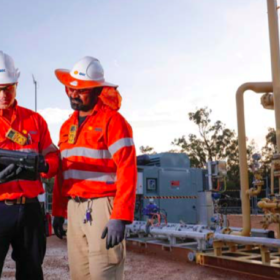
Shell to enter Australian electricity market as ERM stakeholders approve takeover bid
Fossil fuel giant Shell is set to make its foray into Australia’s electricity market after shareholders in electricity retailer ERM Power voted in favour of a $617 million takeover bid.
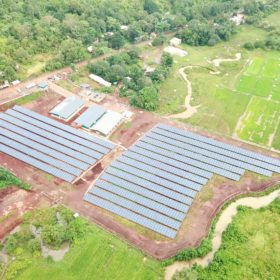
Investors ready US$20 Million for off-grid solar projects in the energy-stricken Philippines
The Philippines is desperately hungry for rooftop solar PV as it seeks to alleviate itself of energy poverty. Pathways are finally opening up for the vast Southeast Asian nation with investors readying US$20 million to fund four new renewable projects.

New tool to assess costs and benefits of switching to green hydrogen
A result of a collaboration between global accounting and financial services firm KPMG, Canadian gas giant ATCO, Australia’s national science agency CSIRO and Australian Renewable Energy Agency (ARENA), H2City can be used to assess the costs and benefits of regional town or municipality switching to hydrogen.
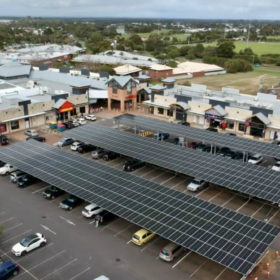
Solar carpark to cover shopping center’s energy needs
As more and more shopping centres across Australia start to utilise solar PV atop their premises, carparks are becoming increasingly popular amid a lack of rooftop space. A solar array covering three double-parking bays at Dunsborough Centrepoint Shopping Centre will not only offer shade for shoppers but also almost completely cover the site’s daytime energy needs.
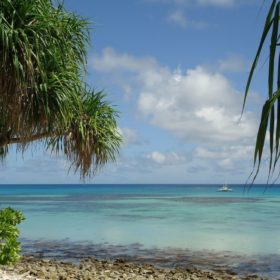
Tuvalu granted $6m for renewables ambition
The Asian Development Bank has signed off a grant for the South Pacific island nation to move on its plans to be 100% renewable by 2025.

Australia could fall apart under climate change. But there’s a way to avoid it
Four years ago in December 2015, every member of the United Nations met in Paris and agreed to hold global temperature increases to 2°C, and as close as possible to 1.5°C. The bad news is that four years on the best that we can hope for is holding global increases to around 1.75°C. We can only do that if the world moves decisively towards zero net emissions by the middle of the century.
AEMO publishes indicative MLFs for 2020-21
The Australian Energy Market Operator (AEMO) expects to see further declines in Marginal Loss Factors (MLFs) next financial year on a number of grid-scale PV projects, primarily in south-west News South Wales and north-west Victoria.