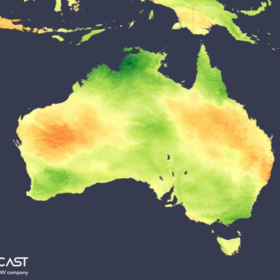
Cyclones and unseasonal polar winds shape Australia’s solar resource in March
Solcast, a DNV company, reports that March in Australia was unusually wet and disrupted, with frequent tropical cyclones, polar air intrusions, and repeated low-pressure systems causing widespread cloud, storms, and record cold in the southeast. Solar irradiance was mixed: below average in the south due to persistent cloud and storms, but near or above average on some northern and coastal regions where breaks between systems allowed recovery.
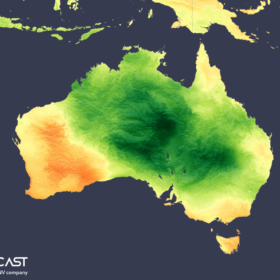
Wettest February since 2011 cuts irradiance across most of Australia
As part of its regular update for pv magazine, Solcast, a DNV company, reports that Australia’s wettest February in 15 years produced solar irradiance deficits of 15–30% across the country’s central and eastern regions.
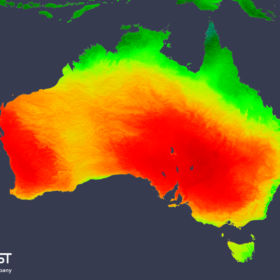
Hot, dry start to 2026 lifts Australian PV, despite fires and monsoon losses
Solcast, a DNV company, reports that most of Australia experienced above-average solar irradiance in January 2026 due to a hot, dry airmass and clear skies, boosting PV generation despite operational challenges from elevated temperatures, bushfire smoke, and dust. In contrast, northern Queensland and far northern regions saw significant irradiance deficits.
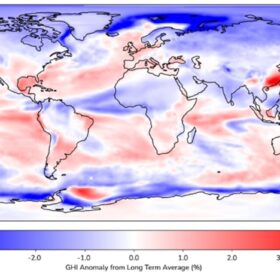
Early forecast: First half 2026 solar outlook
In a new update for pv magazine, Solcast, a DNV company, reports that early 2026 will bring mixed solar conditions globally, with strong prospects in eastern Australia and eastern China, but cloudier-than-normal outlooks for much of Europe, Asia, and parts of the United States early in the year.
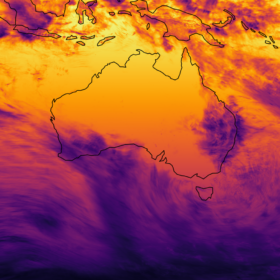
Tasman high drives split winter for Australian solar
Solcast, a DNV company, reports that while solar irradiance has been suppressed across eastern Australia this winter, the country’s southern regions have outperformed climatological averages thanks to stable high pressure in the Tasman Sea.
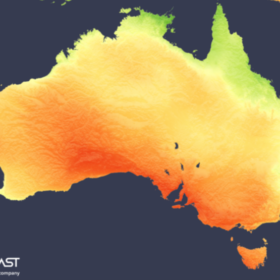
High-pressure systems boost global solar irradiance in early 2025
Solcast, a DNV company, reports that the first half of 2025 has delivered favourable solar conditions across several key solar generation regions around the globe, with many population centres experiencing above-average irradiance.
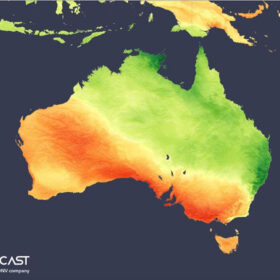
High pressure ridge splits Australia’s solar output in Autumn
Solcast, a DNV company, reports that irradiance across large portions of eastern Australia fell by up to 20% below the seasonal norm in autumn.
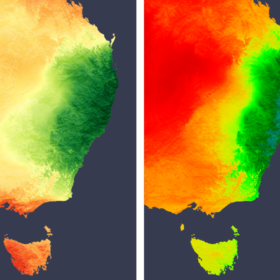
Solar generation faces major disruptions from TC Alfred
DNV company Solcast reports that solar generation in parts of eastern Australia is set to face significant disruptions as Tropical Cyclone Alfred hits the Queensland coast. Other areas may benefit from enhanced solar irradiance due to stabilising atmospheric conditions on the cyclone’s periphery.
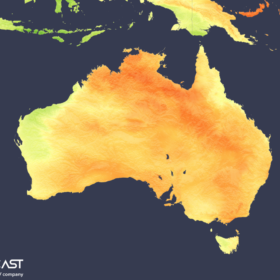
Solar gains across Australia defy seasonal cloud forecast
Solcast, a DNV company, reports that Australia’s summer has been much sunnier than expected so far, with localised weather events only bringing brief disruptions.
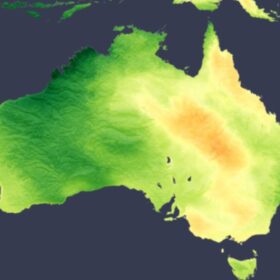
Cloudier summer predicted for Australia’s east coast solar
Solcast, a DNV company, reports that the upcoming Australian summer is likely to see cloudier than usual conditions, potentially reducing solar generation across key regions, especially along the east coast.