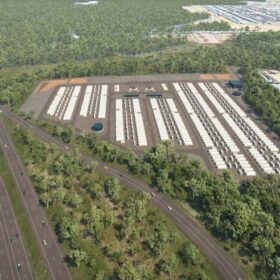
NSW approves 2 GWh battery energy storage system
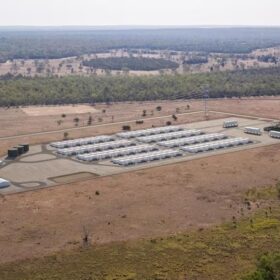
AGL has secured state planning approval to build a 500 MW battery with four hours of dispatchable capacity near Newcastle on the New South Wales Central Coast.
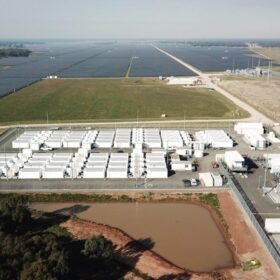
Transgrid turns to batteries to provide capacity increase for NSW network
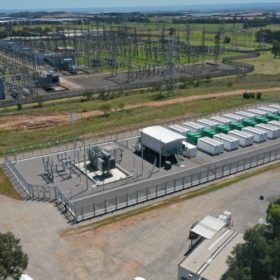
New South Wales electricity transmission company Transgrid has contracted the 150 MW / 300 MWh Riverina and Darlington Point battery energy storage systems to unlock extra capacity on its existing network in the state’s southwest as more renewables come online.

NSW HumeLink approval puts 2,200 MW on-demand energy within reach
New South Wales network operator Transgrid has received approval from the state government for its 365 kilometre HumeLink transmission project, which could be operational by 2027, and federal approval is received.
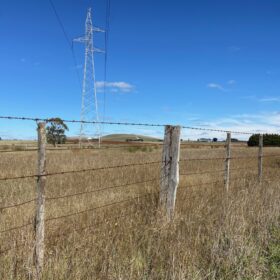
TCV reveals preferred easement for Victoria to NSW interconnector project
The preferred easement for the 240-kilometre Victorian section of the Victoria to New South Wales Interconnector West transmission line project has been released by Transmission Company Victoria.
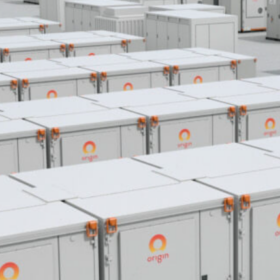
Build starts on 240 MW second stage of Origin Energy’s Eraring battery project
Construction of the second stage 240 MW battery at Origin Energy’s Eraring Power Station located 120 kilometres north of Sydney and 40 kilometres south of Newcastle in New South Wales, has officially begun.
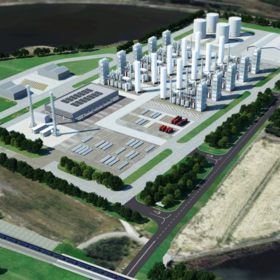
Newcastle port progresses clean energy precinct plans
Port of Newcastle, one of the largest coal ports in the world, is pushing ahead with its Clean Energy Precinct development, signing agreements for key design work and environmental impact studies.
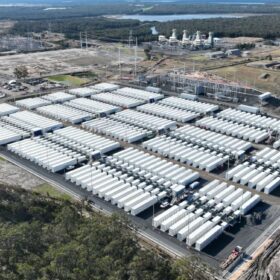
Waratah Super Battery completes first energisation stage
Battery storage developer Akaysha Energy says it has completed the first stage of energisation for the 850 MW / 1,680 MWh Waratah Super Battery that will help stabilise the New South Wales grid during the state’s transition from coal-fired power.
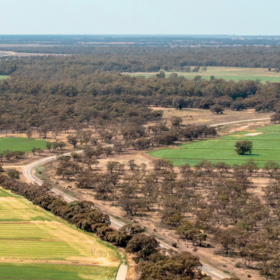
Major transmission project gets $840 million injection to kickstart early works
The Victoria to New South Wales Interconnector West 500 kV transmission line has received an $840 million boost to progress its early works, enabling equipment orders, the project’s design, and market and community engagement to progress.
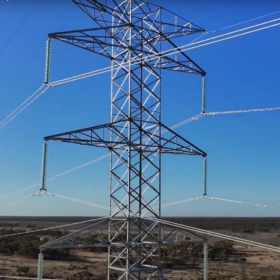
Australia’s largest transmission project reaches major milestones
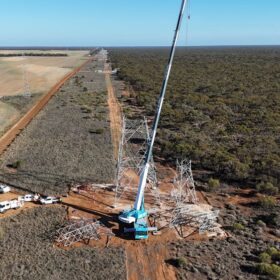
The 900-kilometre EnergyConnect transmission project, that will link the energy grids in South Australia, Victoria and New South Wales and support the renewable energy build-out, has achieved two major milestones including progress on the project’s main substation hub.
Transgrid raises remote REZs as part of energy transition vision
New South Wales power grid owner Transgrid has pinpointed a trio of sites in the state’s far west that could host remote renewable energy zones that it said could help address the challenges posed by an energy transition that it is in “vertical take-off.”