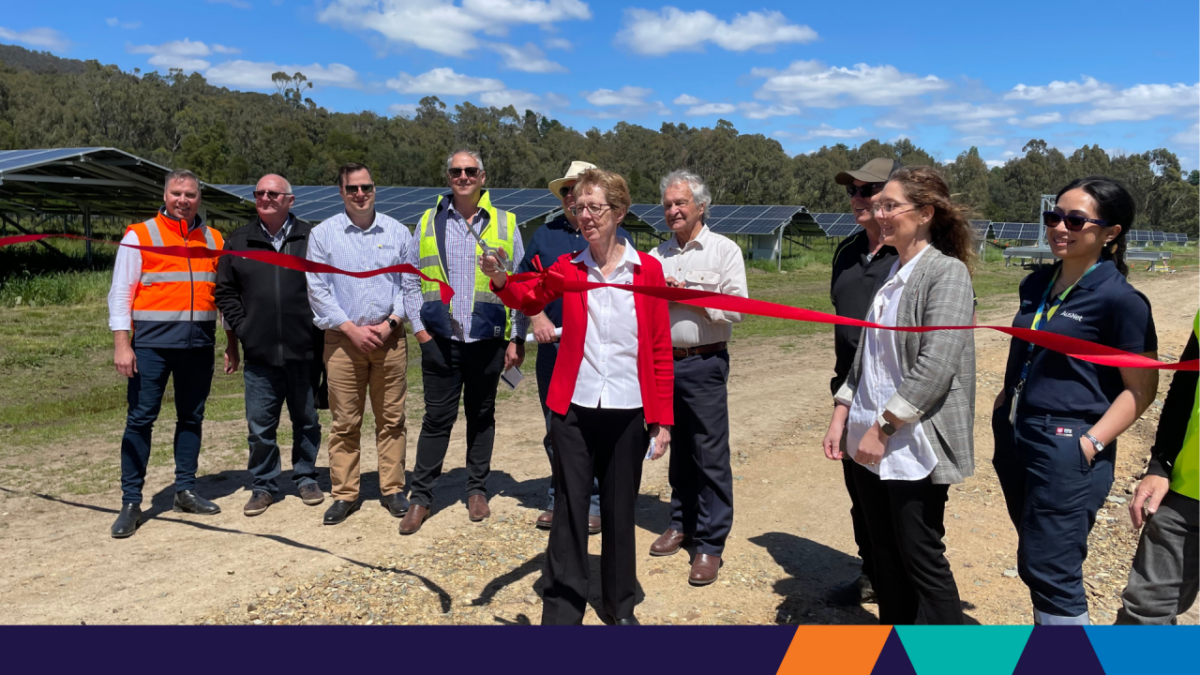





The Salvation Army Australia has completed an agrivoltaic, and its first, solar farm in Melbourne with the aim to reduce its carbon footprint while boosting its ability to help those most in need.
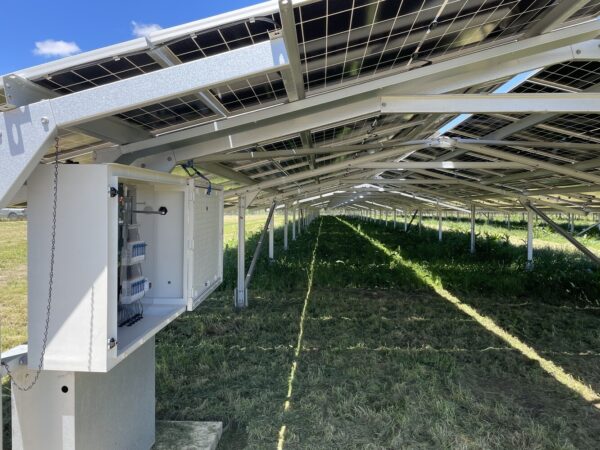
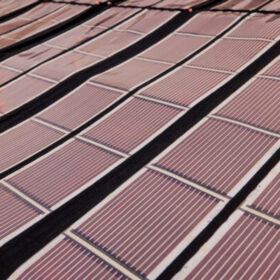
Delivered by Victoria-headquartered energy company Energia Group, the project features more than 11,000 bifacial 700 W panels, across an 8-hectare area and utilised Energia’s DC combiner boxes, which consolidate multiple panel strings into protected outputs, for improved efficiency, safety and long-term performance across the solar farm.
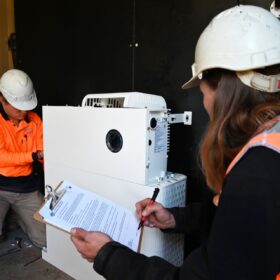
The units are manufactured by HiS in Germany, designed specifically for high capacity commercial and utility installations and include 16-string configuration for large array consolidation, dual-sided fusing for superior protection and fault isolation, 400 ABB switch for safe load disconnection, and features fully pre-wired internals to minimise installation time, hot works and cable handling.
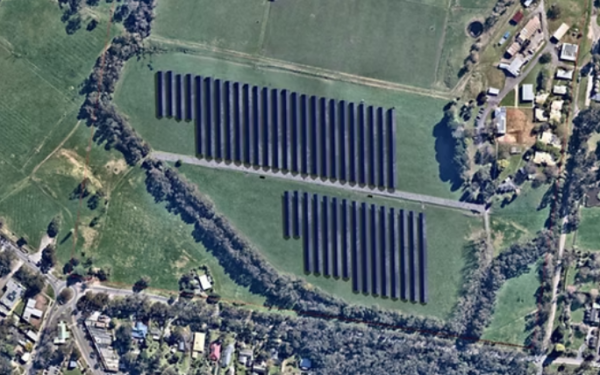
Built on land owned by the Salvation Army since the 1890s, approximately 40 kilometres east of Melbourne in a suburb called The Basin, the 5 MW facility will compliment 222 rooftop solar installations across Australia at Salvo’s sites, which together generate 3.6 MW of energy
According to energy company AGL, which has partnered with the Salvation Army on the rooftop installations, the 3.6 MW includes 182 capital expenditure projects, generating around 2,146 kW, and 40 power purchase agreement (PPA) projects generating around 1,469 kW.
The solar farm allows the Salvation Army to use a Pool-Price-Pass-Through agreement which aggregates its solar generation and neighbourhood battery storage capacity for distribution across its Victorian properties, allowing it to combine electricity generation of its on-roof solar and the solar farm together to spread savings among all Salvation Army social and commercial sites in Victoria.
Salvation Army Commissioner Miriam Gluyas said the project is important to the Salvation Army because of its ‘Creation Care’ ethos.
“The solar farm is a bold step towards doing our part to reduce our contribution to climate change, and to fight for justice for the most vulnerable in our communities who are most significantly affected by its impacts, while also generating savings that can go right back into the services that help these communities,” Gluyas said.
Once the solar farm is energised this month, it will provide enough energy to supply around 1,100 homes – or all the Salvation Army’s commercial and social properties in Victoria, and generate savings of approximately $1.5 million (USD 900,000) per year, that can be passed on to additional supports for its core social services.
The land has operated as a farm since 1890 and the farm will continue with sheep grazing under the panels as part of ongoing environmental management.
Batteries
The solar farm also compliments 22 neighbourhood batteries that are being installed across Salvation Army sites in Melbourne and regional Victoria.
With grant funding from the Victorian government’s 100 Neighbourhood Batteries Program, the batteries will help to provide renewable energy to critical community hubs and services such as foodbanks, domestic violence refuges, emergency crisis accommodation and drug and alcohol rehabilitation centres.
Victoria Department of Energy, Environment and Climate Action (DEECA) Consumer, Communities and First Peoples Executive Director Lyn Bowring said the government is proud to be partnering with the Salvation Army through the batteries program.
“Together with this solar farm, the Neighbourhood Battery projects will bring together low-cost solar power with firmed capacity to deliver bill savings for both the Salvation Army and the communities they serve.”
Updated 29/01/26 to correction Energia Group’s headquarter location.
This content is protected by copyright and may not be reused. If you want to cooperate with us and would like to reuse some of our content, please contact: editors@pv-magazine.com.


1 comment
By submitting this form you agree to pv magazine using your data for the purposes of publishing your comment.
Your personal data will only be disclosed or otherwise transmitted to third parties for the purposes of spam filtering or if this is necessary for technical maintenance of the website. Any other transfer to third parties will not take place unless this is justified on the basis of applicable data protection regulations or if pv magazine is legally obliged to do so.
You may revoke this consent at any time with effect for the future, in which case your personal data will be deleted immediately. Otherwise, your data will be deleted if pv magazine has processed your request or the purpose of data storage is fulfilled.
Further information on data privacy can be found in our Data Protection Policy.