





Astronergy, the solar module unit of China’s Chint Group, has launched Astro N7, a new anti-dust module series targeting the fast-growing residential and commercial rooftop markets. The design aims to maximise generation efficiency while reducing soiling-related losses.
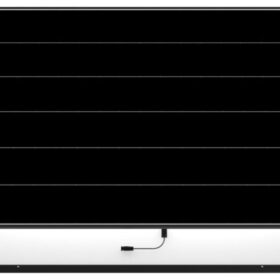
The Astro N7 CHSM78RN(DG)/F-BH bifacial module is based on n-type TOPCon cell technology, delivering 725–750 W with a maximum efficiency of 23.2% under standard test conditions. The module uses a 210R rectangular wafer rotated 90 degrees, enabling a revised layout that increases the active area while remaining compatible with mainstream mounting systems and inverters.
A key innovation is the anti-dust frame architecture, which features a shortened lower frame edge to prevent sediment accumulation and promote natural rain-driven cleaning. The manufacturer says this design addresses persistent soiling issues on rooftop PV, particularly in regions with dust, industrial particulates, or infrequent rainfall.
According to Astronergy, field data from Wuhan shows the anti-dust design delivers an average 2.59% monthly energy gain, with peak values exceeding 6.6%. For a 10 MW commercial and industrial project, this translates into an additional 150,000 kWh annually, alongside reduced cleaning requirements.
The module features a dual-glass 2.0 mm structure, 156 n-type cells, an aluminum frame, and weighs 38.5 kg. Electrical characteristics include an open-circuit voltage of 58.36 V and a short-circuit current of 16.26 A, supported by a temperature coefficient of –0.29%/C. The module is certified for 1,500 V DC systems and holds BloombergNEF Tier-1 status.
Warranty terms include a 15-year product warranty and a 30-year linear performance guarantee, with degradation capped at 1% in year one and 0.4% annually thereafter. The module is claimed to retain at least 87.4% of the initial output after 30 years.
Astronergy positions the 750W anti-dust design as a high-value option for space-constrained rooftops and high-energy-cost commercial sites, where incremental yield gains and lower O&M requirements can significantly improve project investment return rate (IRR).
The company said anti-dust Astro N7 modules have entered mass production, with shipments expected to exceed 3 GW by the end of 2025. Annual capacity for the series is set to surpass 6 GW.
This content is protected by copyright and may not be reused. If you want to cooperate with us and would like to reuse some of our content, please contact: editors@pv-magazine.com.





By submitting this form you agree to pv magazine using your data for the purposes of publishing your comment.
Your personal data will only be disclosed or otherwise transmitted to third parties for the purposes of spam filtering or if this is necessary for technical maintenance of the website. Any other transfer to third parties will not take place unless this is justified on the basis of applicable data protection regulations or if pv magazine is legally obliged to do so.
You may revoke this consent at any time with effect for the future, in which case your personal data will be deleted immediately. Otherwise, your data will be deleted if pv magazine has processed your request or the purpose of data storage is fulfilled.
Further information on data privacy can be found in our Data Protection Policy.