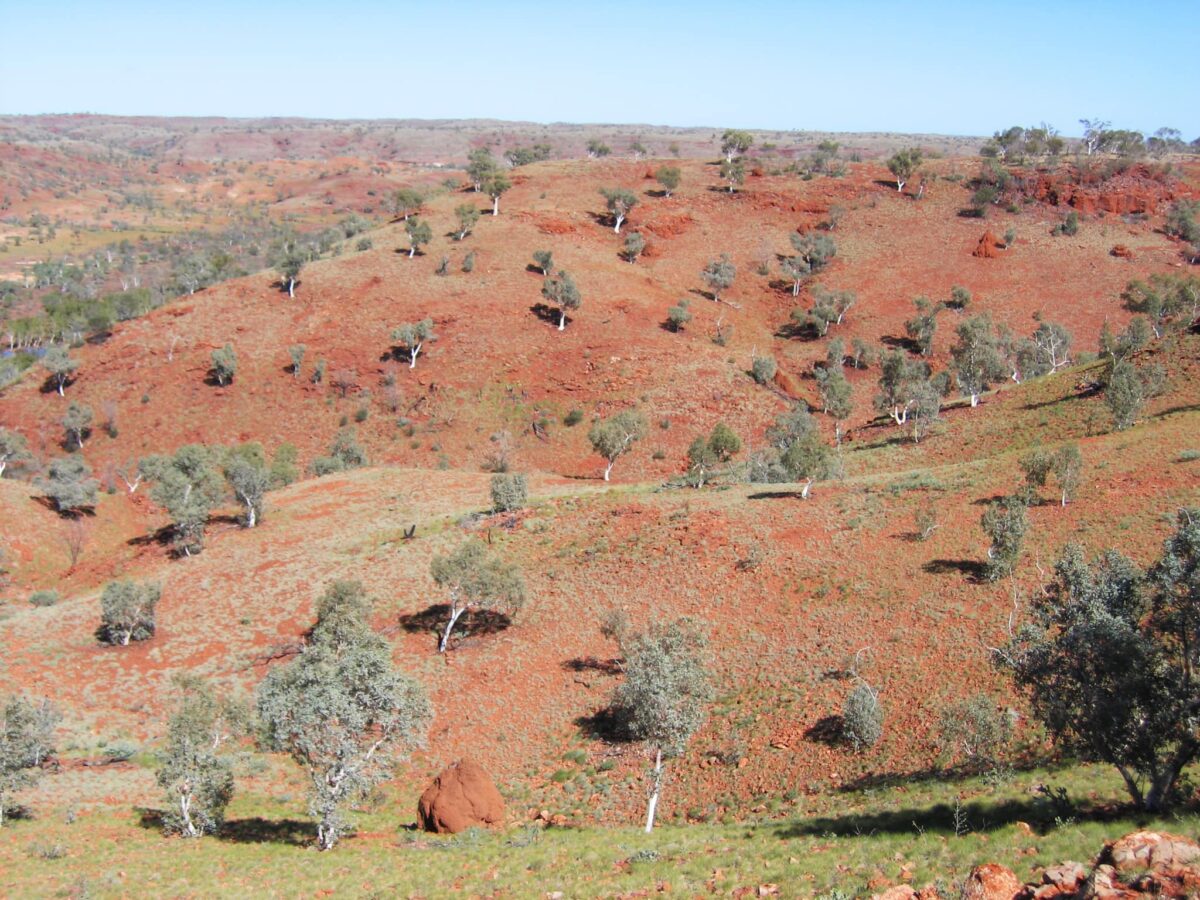





The Western Australia (WA)-based First Nations clean energy developer Yindjibarndi Energy Corporation (YEC), in partnership with Philippines-based developer ACEN Corporation, has opened an expression of interest (EOI) process for renewable energy offtake from its expanding portfolio of large-scale clean energy projects.
YEC, which is a partnership between the body representing Traditional Owners called the Yindjibarndi Aboriginal Corporation (YAC), and ACEN, seek to identify near‑term and long‑term demand for renewable electricity supply, and transmission connection from YEC’s high‑voltage, common‑user transmission corridor, the Maitland Strategic Industrial Area, and the North-West Interconnector System (NWIS).
The EOI is open to major energy users across mining, minerals processing, heavy industry, hydrogen production, battery developers, infrastructure operations and other large loads requiring firmed renewable energy, plus major Pilbara projects seeking renewable energy offtake or transmission access.
YEC Chief Executive Officer Craig Ricato said the launch of the EOI process reflects the strong and growing market demand for clean, reliable and commercially competitive energy solutions across the Pilbara.
“This EOI process is an opportunity for Pilbara operators to partner with a Traditional Owner‑led energy developer capable of delivering high‑quality renewable generation at scale,” Ricato said.
“Our vision is to provide long‑term, cost‑competitive, low‑emissions power that accelerates regional decarbonisation while delivering lasting economic and social benefits for both the Yindjibarndi People and the region.”
Renewable energy hub
Formed in 2023, YEC is one of Australia’s largest Indigenous-led renewable energy initiatives, aiming to develop up to 3 GW of wind, solar, and energy storage projects within the 13,000 km² in the Yindjibarndi Native Title Determination Areas.
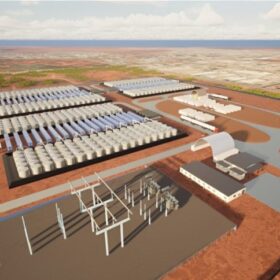
YEC’s current development portfolio includes over 1.5 GW of wind, solar and battery energy storage systems (BESS), the Jinbi, Baru Marnda, CRTC and Eastern Development Zone (EDZ) projects.
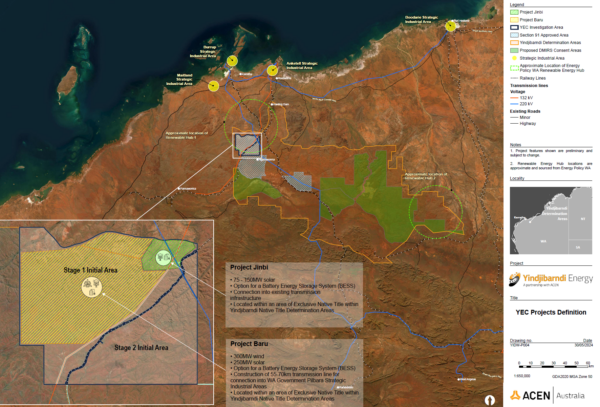
Image: Yindjibarndi Energy Corporation
Jinbi and Baru Marnda projects
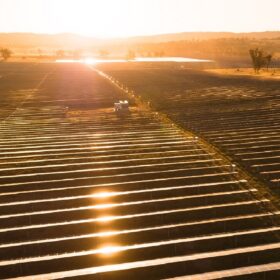
Project Jinbi (Stage 1) is a 75 MW solar array, with the ability to expand to 150 MW and an option to include BESS.
In 2024, it received key approvals, including environmental, development application from the Shire of Ashburton, and Lead Agency Status.
Construction of Stage 1 of the Jinbi project is expected to commence in early 2026 and be operational in 2028, subject to further approvals.
YEC is currently developing its flagship Project Baru Marnda, which has been granted Strategic Project status by the WA government and is listed on the Australian government’s National Renewable Energy Priority List.
Located in northwest of Yindjibarndi Ngurra (Country), it comprises up to ~1 GW wind plus solar and an option to include a BESS.
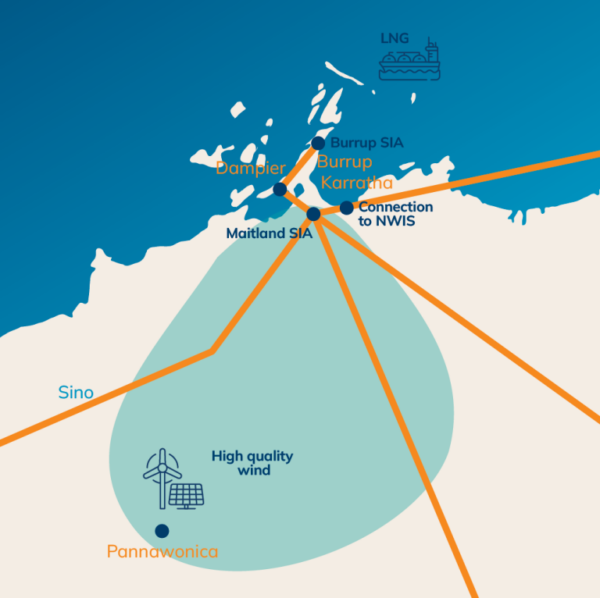
Image: Yindjibarndi Energy Corporation
Chichester Range Transmission Corridor
The EOI will advance planning for the proposed Chichester Range Transmission Corridor (CRTC), a high‑voltage, common‑user transmission corridor designed to unlock renewable energy capacity in the western Pilbara and enable future connection options to the NWIS.
The CRTC has been awarded Project Priority status under the state government’s Pilbara Energy Transmission Plan (PETP) and is also included on the National Renewable Energy Priority List (NREPL).
YEC proposes to develop the CRTC, adjacent to the Chichester Range in the Pilbara to link Yindjibarndi Ngurra and the western Pilbara region to the NWIS through the Maitland Strategic Industrial Area (MSIA).
The MSIA is a significant industrial development zone situated approximately 24 kilometres (km) west of Karratha, WA.
This content is protected by copyright and may not be reused. If you want to cooperate with us and would like to reuse some of our content, please contact: editors@pv-magazine.com.


By submitting this form you agree to pv magazine using your data for the purposes of publishing your comment.
Your personal data will only be disclosed or otherwise transmitted to third parties for the purposes of spam filtering or if this is necessary for technical maintenance of the website. Any other transfer to third parties will not take place unless this is justified on the basis of applicable data protection regulations or if pv magazine is legally obliged to do so.
You may revoke this consent at any time with effect for the future, in which case your personal data will be deleted immediately. Otherwise, your data will be deleted if pv magazine has processed your request or the purpose of data storage is fulfilled.
Further information on data privacy can be found in our Data Protection Policy.