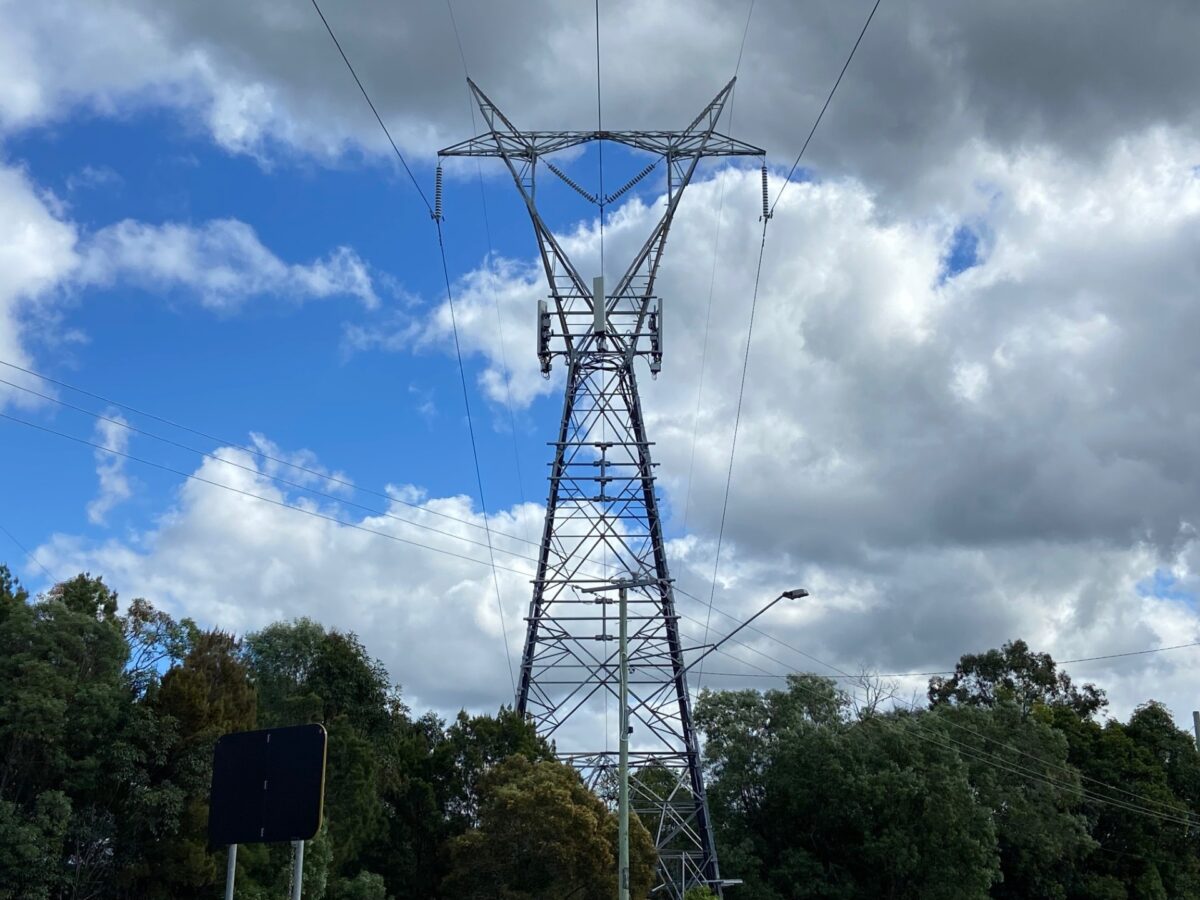





Distributed solar, batteries, electrified industry and the early growth of electric vehicles (EVs) are changing how electricity flows through the network. What was once a relatively predictable system is becoming far more dynamic. Energy can now move in multiple directions and across a growing number of connected assets.
Physical infrastructure remains fundamental. Yet the ability to see how the system behaves in real time, and to coordinate decisions across it, is becoming just as important.
When systems don’t speak the same language
Many utilities are still operating with digital environments that evolved over decades.
Operational platforms, planning tools, asset management systems and customer applications were often introduced independently. Each serves a purpose, but they were rarely designed to share information easily with the others.
Over time this creates familiar challenges. Data is duplicated across systems, integrations become complicated and different teams work with various versions of the same information.
Planning engineers may not have access to operational insights when assessing future capacity. Control room operators may lack up-to-date asset information during an outage. Data from distributed energy resources can sit outside the systems responsible for grid stability.
As the number of connected resources grows, these gaps become harder to manage.
For utilities navigating the energy transition, improving the way information moves across the organisation is becoming a critical part of maintaining reliable and efficient network operations.
Connection pressure is rising
The issue is particularly visible in renewable connection processes.
Developers face increasingly complex technical requirements when applying to connect new projects. At the same time, network operators are under pressure to move those applications through the process more quickly.
Much of the challenge lies in how information moves between systems.
Assessing a connection request requires coordination between modelling tools, operational systems and asset data. When these environments operate separately, engineers spend significant time gathering and validating information before decisions can be made.
When those systems share a common digital environment, that process becomes more transparent and less resource intensive.
For developers, this means clearer expectations and fewer surprises.
For utilities, it reduces uncertainty in how new assets will interact with the existing network.
For transmission and distribution operators, this means managing a grid that is becoming more distributed, more digital and more complex than ever before.
Operations now depend on better data
The operational picture is also becoming more data intensive.
Distributed energy resources, advanced sensors, weather models and demand signals all contribute to how networks are managed. Control rooms must interpret far more information than they did a decade ago.
Adding more tools alone does not solve the problem. The challenge is bringing data from different sources together in a way that supports operational decisions.
For utilities, digital grid platforms such as Schneider Electric’s One Digital Grid are helping connect planning, operations and asset management environments. By linking these systems together, utilities can gain greater visibility across the network and better manage increasingly distributed energy systems.
At the same time, operational data from across the network, including substations, transformers and distributed energy resources is becoming a critical source of insight. Platforms like Aveva Connect enable utilities to capture and analyse this data, improving asset visibility, understanding grid performance and supporting more informed decisions.
Together, these capabilities help utilities move beyond simply monitoring infrastructure toward a more coordinated and data-driven approach to grid operations.
Modernisation without interruption
Electricity networks cannot pause while digital transformation takes place.
Many operational platforms have been running for decades and remain critical to reliability. Utilities therefore need ways to introduce new capabilities without replacing entire systems overnight.
Hybrid approaches are becoming common. Existing operational technology continues to perform essential functions while newer digital environments support analytics, modelling and data integration. This convergence of software, data and infrastructure is increasingly shaping what the sector now recognises as energy technology, the systems that allow modern electricity networks to operate as coordinated digital platforms.
Rather than replacing every system, the goal is to help them work together more effectively while maintaining the reliability that utilities depend on.
A coordinated grid
The energy transition will continue to accelerate. Electrification, renewable generation and distributed resources will reshape the network over the coming decades.
The scale of infrastructure required is significant. Equally important is how well the system operates once those assets are in place.
For many utilities the focus is shifting toward the digital architecture that connects planning, operations and asset management. Interoperability, cybersecurity and secure data integration are becoming core elements of modern grid operations rather than technical afterthoughts.
The energy transition ultimately depends on coordination. When the many parts of the electricity system can operate with shared visibility and aligned data, the grid becomes easier to plan, operate and expand.
In a distributed energy system, that coordination is what allows the transition to keep moving forward.
Author: Thomas Deschler, Vice President Power Systems, Schneider Electric
The views and opinions expressed in this article are the author’s own, and do not necessarily reflect those held by pv magazine.
This content is protected by copyright and may not be reused. If you want to cooperate with us and would like to reuse some of our content, please contact: editors@pv-magazine.com.




By submitting this form you agree to pv magazine using your data for the purposes of publishing your comment.
Your personal data will only be disclosed or otherwise transmitted to third parties for the purposes of spam filtering or if this is necessary for technical maintenance of the website. Any other transfer to third parties will not take place unless this is justified on the basis of applicable data protection regulations or if pv magazine is legally obliged to do so.
You may revoke this consent at any time with effect for the future, in which case your personal data will be deleted immediately. Otherwise, your data will be deleted if pv magazine has processed your request or the purpose of data storage is fulfilled.
Further information on data privacy can be found in our Data Protection Policy.