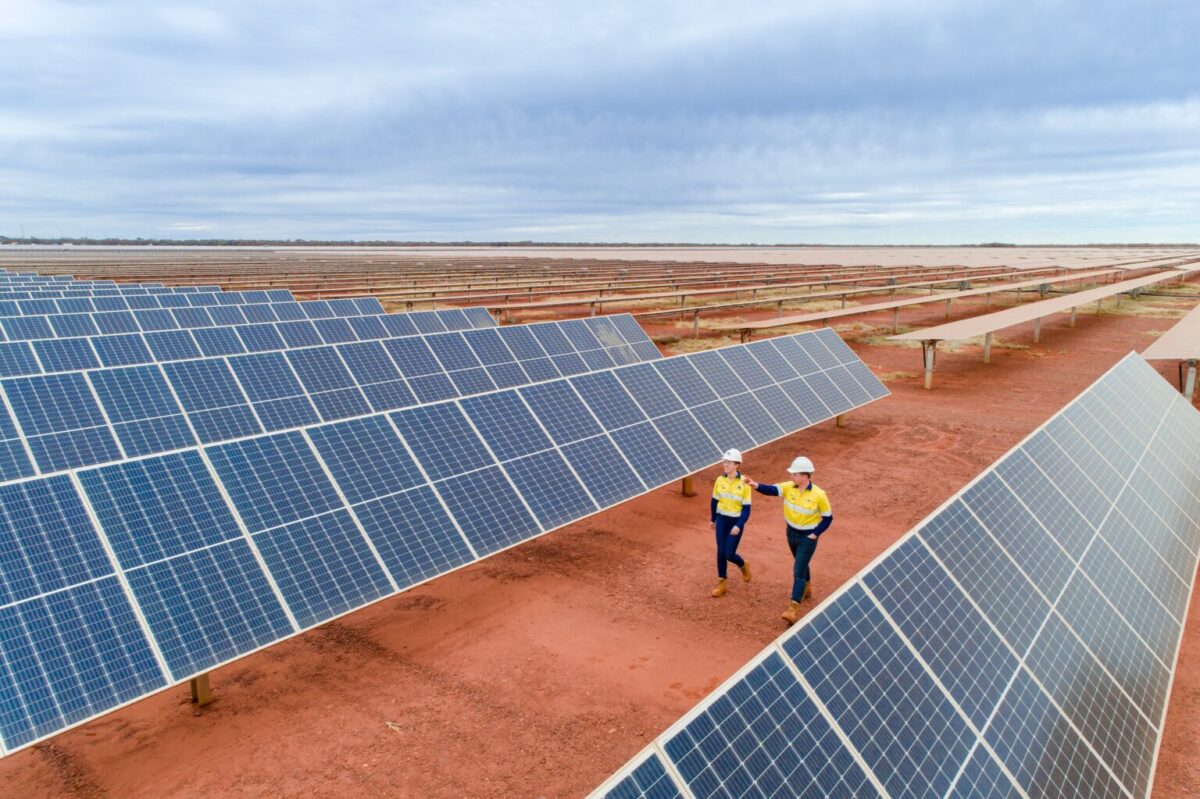





Fortescue is accelerating development of a large-scale off-grid renewable energy network as it races to eliminate fossil fuels, particularly diesel, from its iron ore mining and processing operations in Western Australia’s Pilbara region by as early as next year.
The company said the “islanded” system will operate as a fully standalone, high-voltage renewable network, combining utility-scale solar and wind generation with multi-gigawatt battery energy storage and transmission lines, providing continuous dispatchable power to support its mining operations and associated infrastructure.
“Unlike other large renewable hubs, which feed intermittently into national or other power systems, Fortescue’s off-grid system will be the largest of its kind dedicated to decarbonising major industry, around the clock,” the company said.
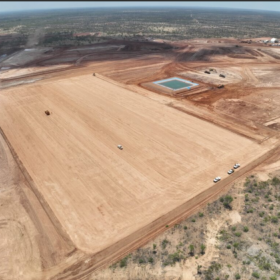
Fortescue expects to complete 290 MW of installed renewable capacity by early next year, enabling daytime “green processing” across its Pilbara ore facilities. Later in 2027, it aims to operate all of its Pilbara operations for continuous 24-hour periods without fossil fuels.
Full completion of the renewable energy grid is targeted for 2028, well ahead of Fortescue’s previously announced Real Zero plans, targeting December 2030.
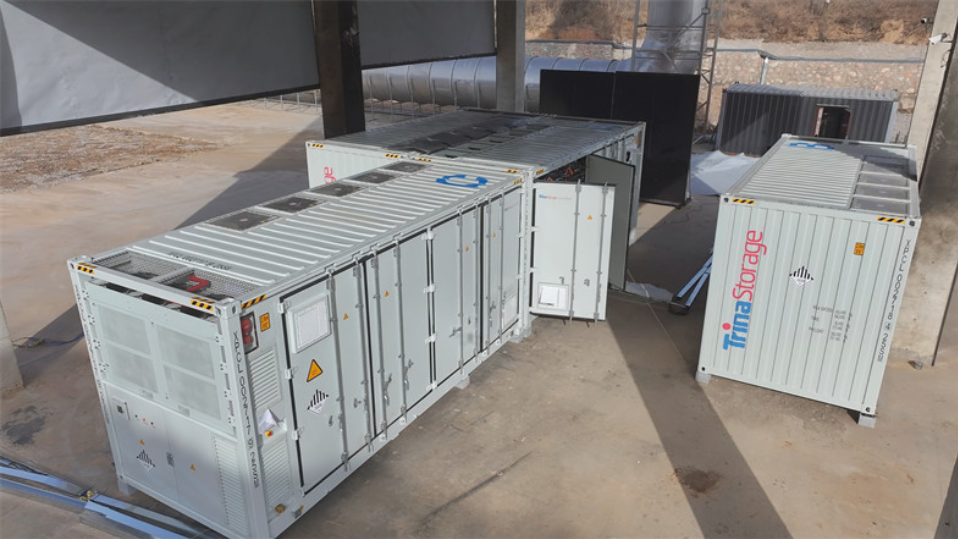
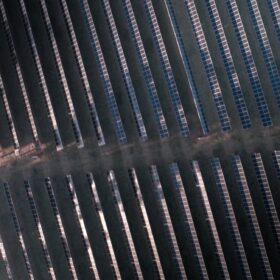
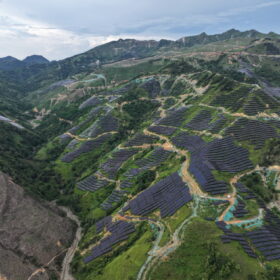
At full scale, the Pilbara green grid is expected to include 1.2 GW of solar capacity, more than 600 MW of wind generation and 4 GWh to 5 GWh of battery energy storage.
Fortescue, the world’s fourth-biggest iron ore producer, said the $3.56 billion (USD 2.5 billion) project is intended to shield the miner from cost pressures and supply disruptions in global energy markets.
“As global energy supply chains become increasingly unstable and the massive risks of fossil fuel dependence are exposed, Fortescue is moving faster, proving industry can power itself with green energy, control its costs, and take back control of its largest risk – energy,” the company said.
Fortescue said it expects to save about $142 million in fossil fuel costs by next year, noting that “eliminating fossil fuels is not only achievable, but economically superior.”
“This deployment shows that a fully integrated renewable energy system can be built at speed and scale, delivering immediate benefits in cost, certainty and energy security,” the company said.
Fortescue said in addition to delivering the Pilbara project, it will look to replicate and commercialise the model globally, offering it via licensing or “energy as a service” arrangements.
The company said its proprietary AI-driven optimisation systems and in-house technologies will support scalability, with early-stage discussions underway with potential international partners.
“Fortescue has improved the speed of deployment of renewables, lowering the capital intensity, improving operating cost profile and making it highly competitive with traditional fossil fuel-based generation systems,” it said. “This represents a breakthrough in terms of delivering firmed energy generation in speed to market, capital costs and operating costs.”
This content is protected by copyright and may not be reused. If you want to cooperate with us and would like to reuse some of our content, please contact: editors@pv-magazine.com.

By submitting this form you agree to pv magazine using your data for the purposes of publishing your comment.
Your personal data will only be disclosed or otherwise transmitted to third parties for the purposes of spam filtering or if this is necessary for technical maintenance of the website. Any other transfer to third parties will not take place unless this is justified on the basis of applicable data protection regulations or if pv magazine is legally obliged to do so.
You may revoke this consent at any time with effect for the future, in which case your personal data will be deleted immediately. Otherwise, your data will be deleted if pv magazine has processed your request or the purpose of data storage is fulfilled.
Further information on data privacy can be found in our Data Protection Policy.