Ev Foley

Tidal wave of investment gives Queensland’s energy transition momentum
Independent Australian think tank Climate Energy Finance (CEF) finds public and private capital is rapidly transitioning Queensland from its dependence on coal and methane gas for electricity generation. The findings were published today in a new report.
UNSW research finds high temperatures increase module degradation
A UNSW study has shown that hotter temperatures, as result of climate change, means solar panels are at greater risk of degradation. Prolonged exposure to harsher outdoor conditions increase the cost of solar energy in hotter Australian regions.
$14 million momentum for home grown renewable technology expansion
The federal government is to provide advanced technology and skills development to businesses looking to locally manufacture renewable energy technologies, following a $14 million fund to create the Powering Australia Industry Growth Centre.
Federal government joins WA in supporting nickel miners
The federal and WA governments are stepping in to support struggling nickel producers with tax credits, critical listing grants, and rebates.

Action over rhetoric, calls to see PM’s ambition followed with funding
Anthony Albanese’s plan to fund Australia’s quest to become a renewable energy superpower and position itself as a global player for decarbonisation and clean energy doesn’t move fast or bold enough, according to industry experts.
Renewed focus on electricity network for reliability, climate objectives
As Victorian homeowners call for better grid infrastructure after outages left thousands without power this week, new data from research company Rystad Energy suggests the whole world’s transmission network may be a stumbling block to energy transition.
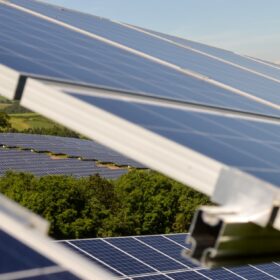
60 MW Shady Creek Solar Farm wins development approval
Ireland-headquartered Elgin Energy Australia have announced approval from the Victorian government to develop the 60 MW Shady Creek Solar Farm and 60 MW / 120 MWh battery energy storage system (BESS), located on Bayleys Road, Yarragon, Victoria.
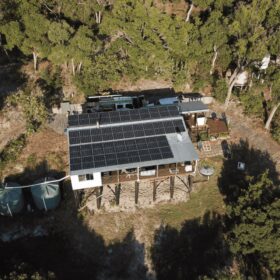
Queensland offgrid project upgrade demonstrates power of modern PV
A secluded island residence off-grid system receives new tech upgrade. The additional power and bang-for-buck demonstrates the new era of offgrid living available to Australian remote households.
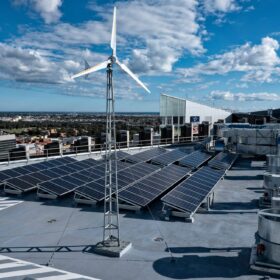
Study models increased efficiencies using EV charging facilities
Australian research has found EV charging facilities offered free using optimised solar systems can lower grid demand in the evening, with implications for broader nation-wide efficiencies.
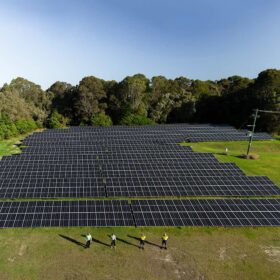
NSW council reduces grid electricity consumption, costs with solar, energy efficiency
Tweed Shire Council says its grid electricity consumption has dropped by 11% last year because of improved energy efficiency and additional solar projects. Together, both contributed to an overall emissions reduction of 19%.