Marija Maisch

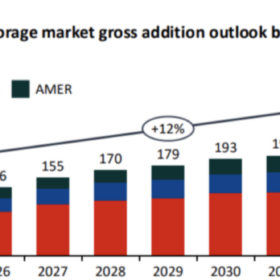
Global BESS capacity tops 250 GW, overtaking pumped hydro for first time
Rystad Energy says it expects global battery energy storage system (BESS) additions to exceed 130 GW/350 GWh in 2026, led by Australia, China, the United States, the United Kingdom, and Germany.
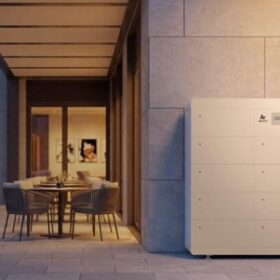
AlphaESS launches modular energy storage system for small C&I users
Designed for power ratings of 29.9 kW and 50 kW with scalable capacity up to 216,9 kWh, the new system is aimed at businesses seeking flexible energy storage solutions without the complexity of installation.
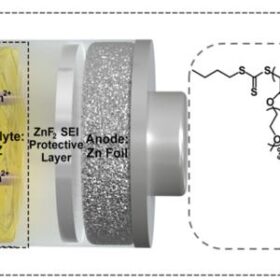
UQ research boosts performance of solid state zinc batteries
Researchers from the University of Queensland have developed a new class of solid electrolytes for rechargeable aqueous zinc-iodine batteries, which has allowed for extended lifespan and high efficiency.
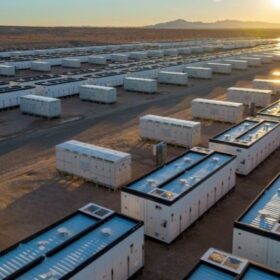
IEA calls for sixfold expansion of global energy storage capacity
The International Energy Agency has issued its first report on the importance of battery energy storage technology in the energy transition. It has found that tripling renewable energy capacity by 2030 would require 1,500 GW of battery storage.
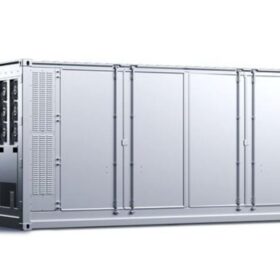
CATL unveils first mass-producible battery storage with zero degradation
China-based Contemporary Amperex Technology Co. (CATL) has launched its new TENER energy storage product, which it describes as the world’s first mass-producible 6.25 MWh storage system, with zero degradation in the first five years of use.
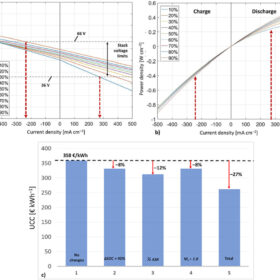
Evaluating profitability of vanadium flow batteries
Researchers in Italy have estimated the profitability of future vanadium redox flow batteries based on real device and market parameters and found that market evolutions are heading to much more competitive systems, with capital costs down to $430/kWh at a storage duration of 10 hours.
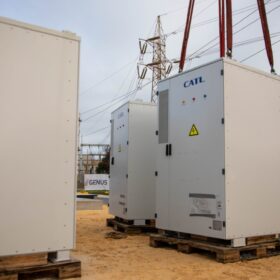
CATL: Staying on top of the battery game
For the seventh year in the row, China-based Contemporary Amperex Technology Co. (CATL) looks set to claim the title of the world’s biggest battery maker. There are a number of reasons why it continues to maintain its lead in the electric vehicle (EV) and battery energy storage system (BESS) markets.
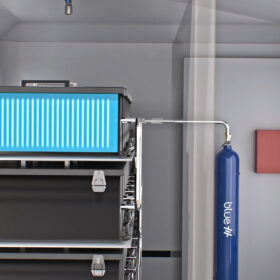
New solution to suppress battery storage fire, thermal runaway unveiled by Fike
Fike Corp., a US industrial-hazard protection specialist, has launched Fike Blue, a tested, patented solution that suppresses battery fires and stops cascading thermal runaway.
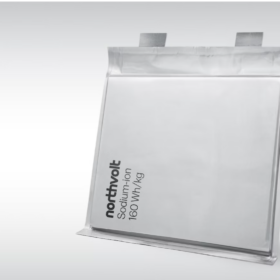
Northvolt unveils 160 Wh/kg sodium-ion battery
Swedish battery maker Northvolt has developed its first sodium-ion battery. The cell has been validated for an energy density of more than 160 Wh/kg and is designed for energy storage applications.
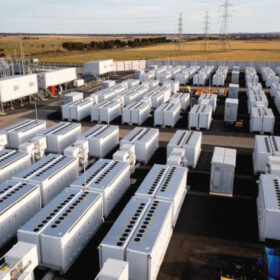
Weekend read: Australia’s big BESS, big bet
As Australia’s big battery fleet continues to charge ahead, the battery revenue stack is evolving – and so are financing opportunities.