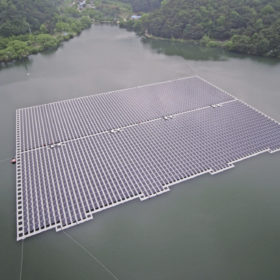
How crowdfunding can accelerate Indonesia’s renewable energy development
Given the huge opportunities crowdfunding presents, we argue that Indonesia could resort to this strategy to fund green projects and help overcome the country’s stalled development of renewable energy.
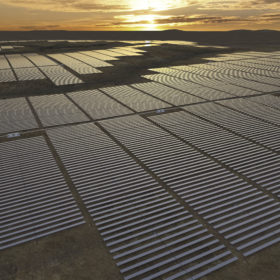
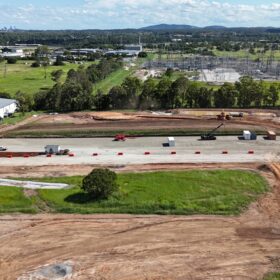
Renewables need land – and lots of it. That poses tricky questions for regional Australia
Renewable energy capacity in Australia is expected to double, or even triple, over the next 20 years. There is one oft-overlooked question in this transition: where will it all be built?
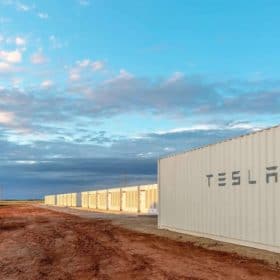
Against the odds, South Australia is a renewable energy powerhouse. How on Earth did they do it?
Less than two decades ago, South Australia generated all its electricity from fossil fuels. Last year, renewables provided a whopping 60% of the state’s electricity supply. The remarkable progress came as national climate policy was gripped by paralysis – so how did it happen?
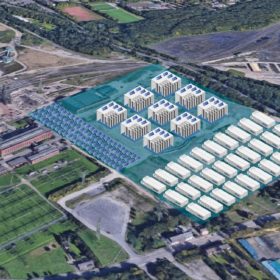
German steel giant wants to set up 500 MW green hydrogen plant
German energy company Steag is helping Thyssenkrupp decarbonise its steel production site in Duisburg-Walsum. Green hydrogen generation is expected to be powered by a mix of wind and solar power.
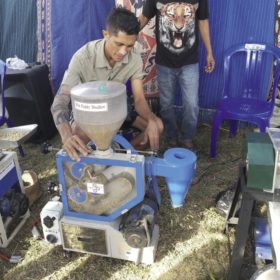
Weekend read: Filling the energy technology, poverty gap
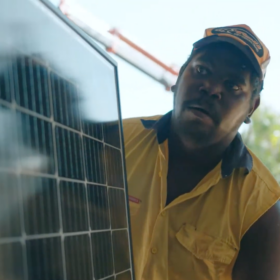
Advanced technology is of little use if it cannot reach those who need it most. Two Indonesian companies – Kopernik, an NGO based in Bali, and Sumba Sustainable Solutions, from the island of Sumba – are trying to bridge the gap between those in need and those with technological solutions. They both focus on the PV electrification of rural areas and brightening Indonesia’s “last mile.”
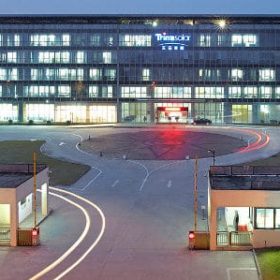
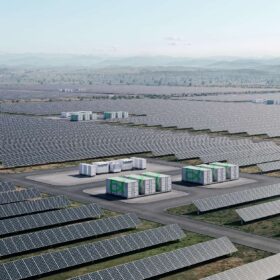
Trina Solar enters storage business
The module manufacturer’s new storage unit, Trina Storage, aims to create innovative solutions for the combination of photovoltaics and storage, grid services and other applications.
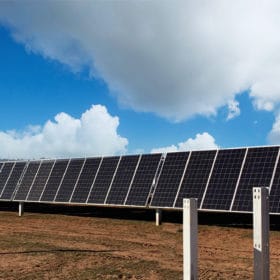
UNSW flicks the switch on 100% renewable electricity
UNSW Sydney researchers pioneered the development of solar photovoltaic technology, which is now helping the University achieve net zero emissions from energy use.
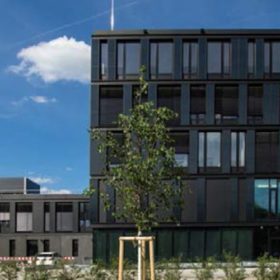
PV can cover almost half of typical office buildings’ electricity demand
Scientists in Germany have estimated that roof and facade PV systems can cover almost 40% of the total requirements of a standard office building, assuming that no battery storage is installed.
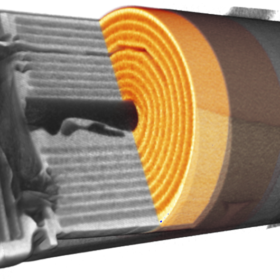
Batteries with Chinese characteristics
At present, China accounts for almost 75% of global lithium-ion battery manufacturing capacity and this share is set to increase through the short term with its build-out of new facilities. And although the US and Europe are enacting policies to encourage domestic battery production, there has been a distinct lack of support for investment in the supply and refining of the raw materials to achieve this. In China, the opposite holds true.
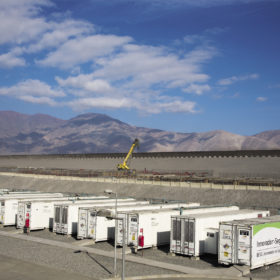
What role will battery storage have in Biden’s America?
Chip Breitenkamp, of Nanograf, discusses American battery manufacturing, how to ensure a resilient and equitable supply chain, and how to create jobs.