Australia’s largest battery retrofitted to solar farm officially opens
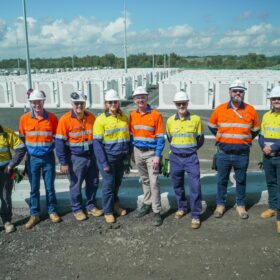
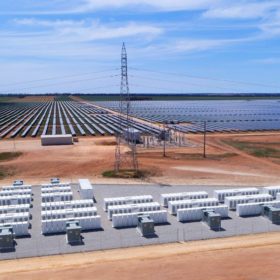
The 25 MW / 50 MWh Tesla battery collocated with the 60 MW Gannawarra Solar Farm has been officially opened.
Renewables still setting strong pace in South Australia
The April shelving of a major solar thermal plant has done little to slow the pace of renewable energy projects being proposed in South Australia.
AGL’s new virtual power plant to cover four states
On the back of a successful trial in South Australia, AGL is expanding its virtual power plant to other states. Under the program, customers will be able to save up to $280 a year on their electricity bills and be offered an upfront payment of $1,000 towards the cost of their battery.

LG Chem partners with Envirostream for battery recycling in Australia
The South Korean battery manufacturer has joined forces with Victorian recycler Envirostream to develop processing solutions and reduce battery waste stream in Australia.
Fire protection guidelines catch up with C&I renewable energy storage systems
As commercial operations begin to more routinely factor battery storage into their solar-energy-powered plans, insurance companies are assessing the accompanying fire risks. One such company has publicly released its guidance for property protection.
Total Eren secures finance for Victoria’s biggest solar farm
The French renewables giant has reached financial close for the 256.5 MW Kiamal Solar Farm with the support of a group of Australian and European financial institutions. Additionally, Australia’s green bank Clean Energy Finance Corporation entered the project by taking a minority equity stake.
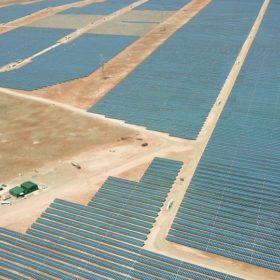
Vena Energy cuts ribbon on 95 MW Tailem Bend Solar Farm
The Singapore-based developer plans to build another stage of the solar project similar in size and add a grid-scale battery.
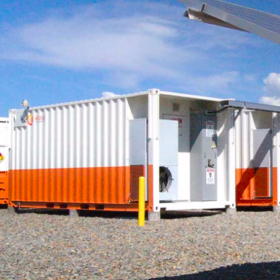
Lead acid batteries: Not dead yet
Lithium ion battery technology continues to hog the limelight, powered by the growing demand for the battery chemistry from the EV sector. But long established lead acid batteries also have a future, argues Alistair Davidson, the Director of the Consortium for Battery Innovation (CBI).
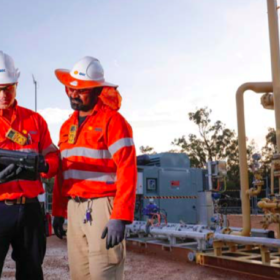
Upstream majors to lead the charge in renewables investment
Renewable energy investment in the APAC region, excluding China, will overtake spending on oil and gas exploration and production spending by 2020, finds Norwegian consultancy Rystad Energy. And Australia is set to emerge as one of the leading investment destinations.
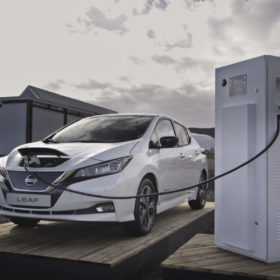
Global electric car fleet may reach 250 million by 2030
The International Energy Agency says more than 2 million electric vehicles hit the road last year, to take the total to more than 5 million. The agency has stressed the importance of public policy, charging infrastructure and a fall in costs for continued EV uptake, and says up to 43 million EVs could be sold in 2030.