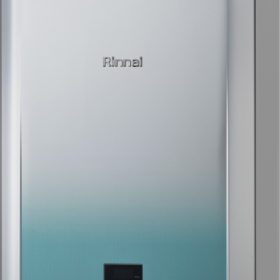
Hydrogen combustion tech for residential water heaters, trials in Australia
Japan’s Rinnai has unveiled what it claims is the world’s first 100% hydrogen combustion technology for residential water heaters. It is currently using the hydrogen water heater in demonstration projects in Australia, prior to commercialisation.
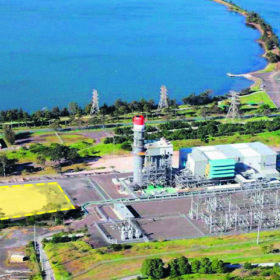
NSW calls for investor interest in Illawarra energy zone
The New South Wales government has invited registrations of interest from renewable generators, energy storage and network developers, and existing and proposed energy loads, to participate in shaping a renewable energy zone to be established in the Illawarra region on the state’s south coast.
Brisbane-based green hydrogen company wants to get its projects off the ground with ground-level crowdfunding
Brisbane-based Line Hydrogen is seeking $2 million in crowdfunding investment from Australians who want to contribute to the green energy revolution at the ground level by getting its Tasmanian and Queensland green hydrogen projects off the ground.
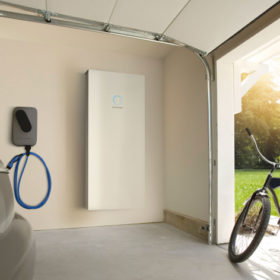
SA scraps renewables schemes despite declaring ‘climate emergency’
Just days after declaring a climate emergency, the South Australian government has axed a renewable energy policy that was designed to help more homeowners access residential battery energy storage systems.
Hydrogen industry calls on government for ‘transition deadlines’
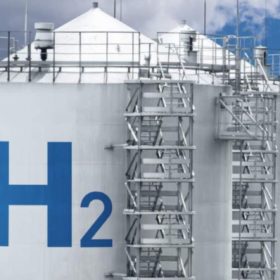
The Australian Hydrogen Council is calling on the newly elected Federal Government to provide policy certainty, new investment and “targeted transition deadlines” to help create a market for green hydrogen and allow Australia’s emerging industry to thrive.
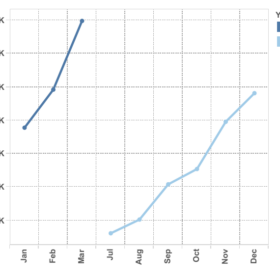
Green hydrogen price may drop to $7.5/kg by 2025
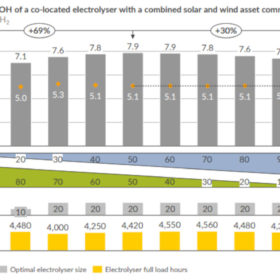
Aurora Energy Research says in a new report that maximum green hydrogen project profitability could be achieved when solar and wind power plants are combined with electrolysers.
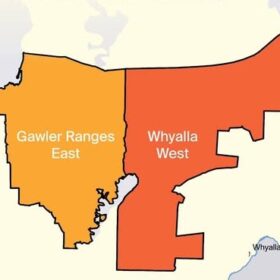
SA launches market sounding for major Whyalla project, plans hydrogen regulation framework
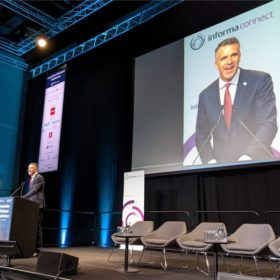
The newly elected South Australian premier Peter Malinauskas has today launched the market sounding for its hydrogen production facility near Whyalla, as well as the introduction of legislation to regulate hydrogen production, storage and transportation.
Green hydrogen megaproject in SA discontinued
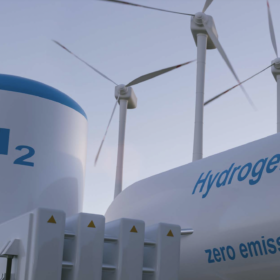
Kallis Energy Investments has confirmed it will shelve its proposal to build a 6 GW renewable hydrogen project in Moolawatana, South Australia, due to water supply issues.
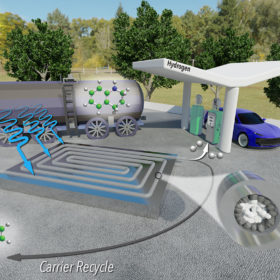
Novel tech for extracting hydrogen gas from liquid carriers
North Carolina State University (NCSU) has developed an energy-efficient strategy for room-temperature hydrogen release from liquid hydrogen carriers, which uses less rhodium. Elsewhere in the world, Airbus launched its Zero Emission Development Centre in the UK, Toshiba ESS teamed up with Fusion Fuel to target Australian and European markets, and Corfo signed agreements to finance three renewable hydrogen projects with GNL Quintero, iCAP, and Air Liquide in Chile.
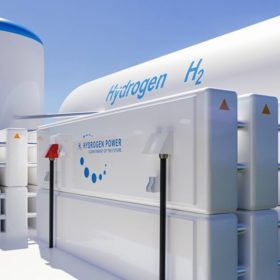
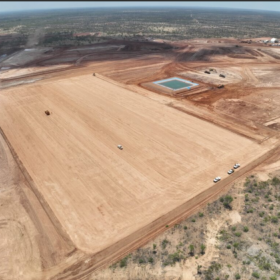
Frontier pushes ahead with green hydrogen production plans
Australian renewable energy project developer Frontier Energy has identified its preferred electrolysis technology as it advances plans to produce green hydrogen powered by renewable energy sourced from the potential 500MW Bristol Springs Solar project it is developing in Western Australia.