Solar installers left with ‘hand grenade’ from bloated manufacturer warranties
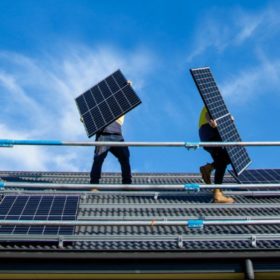
In the last years, warranties on solar panels have ballooned up to 40 years, but far from inspiring trust, these documents can end up eroding it. Described as a “hand grenade,” some installers claim manufacturers’ unrealistic installation manuals and poor claiming processes leave them in the lurch when equipment breaks. “I think its the biggest threat to the longevity of my business,” Mark Cavanagh, owner of Queensland-based MC Electrical tells pv magazine Australia.
Vertical agrivoltaic pilots in France find improved yields and less water stress
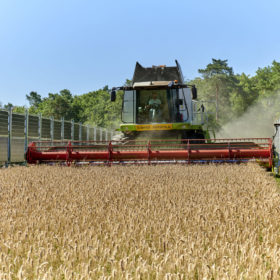
French energy giant TotalEnergies studied the impact of solar panels on crops in order to develop a repository of agronomic benefits. The initial results show an increase in agricultural yields on field crops and a reduction in water stress.
India installed almost 14 GW of solar in 2022
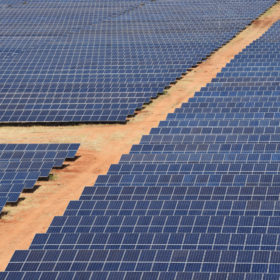
India installed 13,956 MW of solar between January and December 2022. This included 11.3 GW of utility-scale PV, about 1.9 GW of rooftop solar, and nearly 700 MW of off-grid/distributed capacity.

SwitchDin to share Australian lessons with US-based VPP body
Energy management software company SwitchDin will share lessons learned during Australia’s ongoing transition to a two-way power grid with counterparts in the United States after teaming with a coalition of companies to scale up the use of virtual power plants.
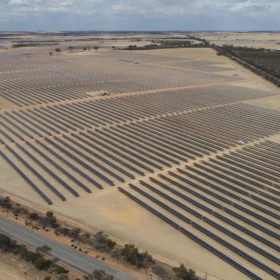
Risen Energy is taking n-type HJT technology mainstream in Australia
Following Risen Energy’s January announcement that the company is starting to mass-produce its n-type heterojunction technology (HJT) hyper-ion solar modules, it has revealed plans to increase production capacity to 15 GW by the end of 2023. Archie Chen, CEO of Risen Energy Australia, says n-type HJT panels will prove the favoured technology over the coming years, facilitating higher performing solar solutions.
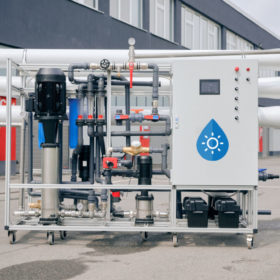
Solar-powered water desalination tech for off-grid applications
Berlin-based Boreal Light has developed water desalination tech powered by PV for off-grid applications. The solution uses 460 W solar panels from Chinese module manufacturer DAH Solar and produces clean water from direct seawater at a cost of €0.50 ($0.78)/m3.
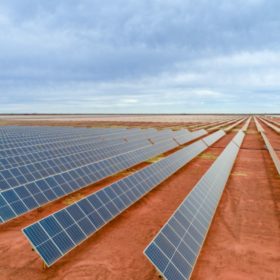
Governments upbeat about Sun Cable project despite financing feud
The Northern Territory government remains upbeat about the future of the $30 billion-plus (USD 20.7 billion) Australia-Asia PowerLink project despite the company behind what would be the world’s biggest solar and energy storage project having abruptly entered voluntary administration.
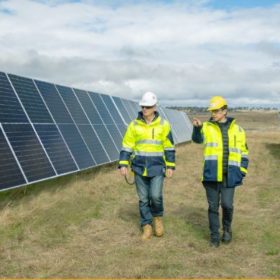
ACEN Australia plans to accelerate rollout of renewables portfolio
Philippines-based energy company ACEN Corporation plans to capitalise on Australia’s “unparalleled renewables potential” after securing a $277 million (USD 191 million) loan facility which it says will be accelerate the delivery of an 8 GW clean energy portfolio that includes solar, wind, battery storage and pumped hydro.
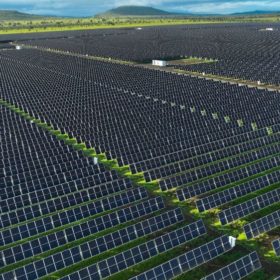
Mytilineos advances Australian solar ambitions with major finance package
A 110 MWp Queensland solar farm that is fully constructed and currently undergoing hold-point testing is one of a trio of PV assets that Greece-based industrial conglomerate Mytilineos has secured finance for as it looks to further establish its position in the Australian renewable energy market.
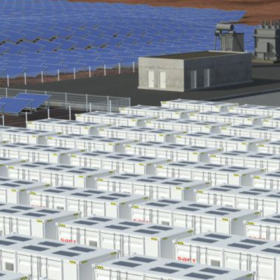
Contract awarded for New Zealand’s first big battery
New Zealand is set to have its first big battery by 2024, after Meridian Energy awarded a contract to build the 100 MW / 200 MWh Ruakākā Battery Energy Storage System to Saft, a subsidiary of TotalEnergies.