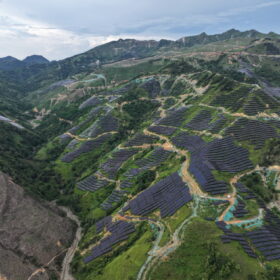
Update on acquisitions of ASX-listed renewables developers
In its formal bidder’s statement, Philipines UAC Energy has urged Infigen shareholders to accept its takeover bid of $0.80 a share, while Infigen remained adamant no action should be taken in relation to the “opportunistic” offer. Previously, the acquisition of another prominent renewables developer, Windlab, was greenlit in a landslide shareholder vote.
Bringing green steel to reality: GFG launches Whyalla overhaul
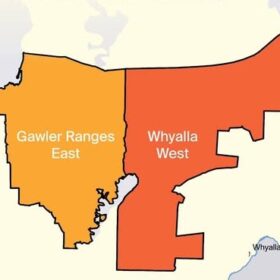
GFG Alliance head Sanjeev Gupta has announced a high-cost refurbishment plan for the Whyalla Steelworks in South Australia marking a major step towards his goal to power the plant with green hydrogen.

3.6 GW solar-powered hydrogen project announced for Queensland
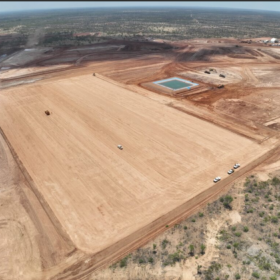
A newcomer to the Australian renewable energy scene, Austrom Hydrogen has unveiled plans to develop a large solar project, battery storage and hydrogen generation facility in Queensland.
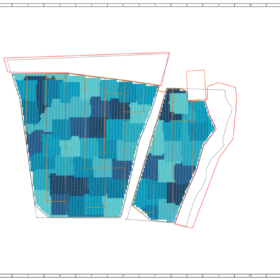
Spanish startup RatedPower, pioneer in the development of software to optimise the design of solar plants
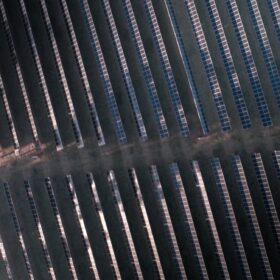
By scanning millions of iterations, pvDesign finds the best plant configuration and automatically generates over 300 pages of detailed documentation in seconds. The Spanish firm has just landed its first Australian client.
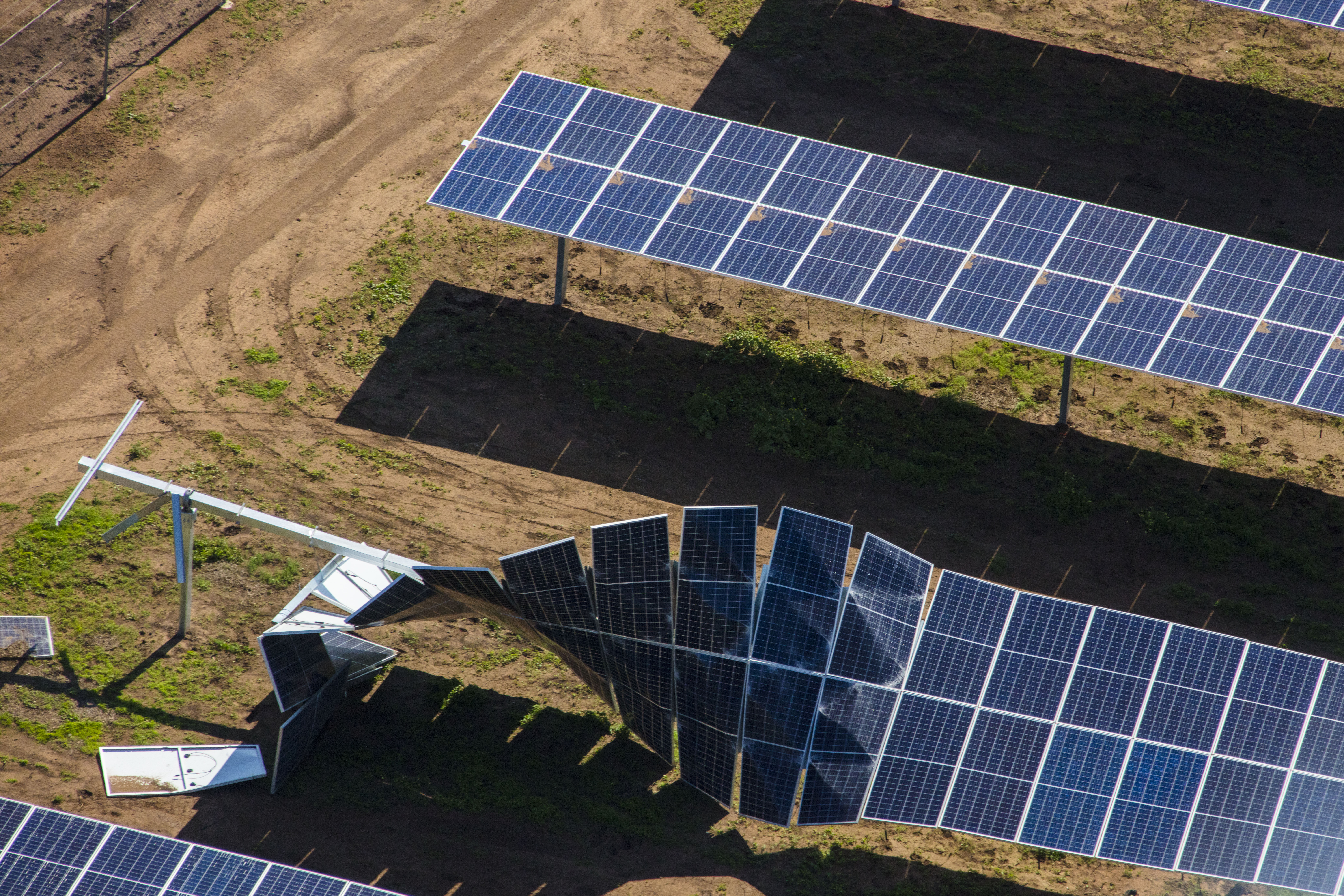
Looking gloomy at Oakey 2 Solar Farm again?
Yesterday I received a call from the people at pv magazine who were preparing for the ‘Virtual Roundtables Europe 2020’ event on this week in Germany – i.e. Tuesday evening (now!) and Wednesday evening ‘NEM time’. I’m told the event will be recorded, with the recording available later to those who have registered, so get your skates on if interested.
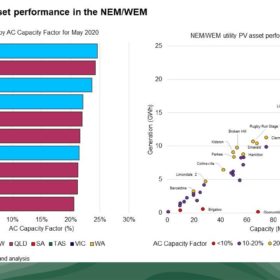
Broken Hill: From a grid outsider to a top performer
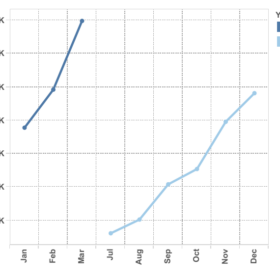
One of Australia’s first utility-scale PV projects, the 53 MW Broken Hill Solar Farm in New South Wales, has emerged as a top solar performer in the National Electricity Market in May.
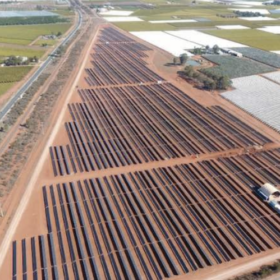
Suntech’s solar farm joins the grid powered by Australia’s first digitized PPA
The 9.4MW Robinvale Solar Farm is Suntech’s first 100% owned project in the Australian pipeline to come to fruition and the first solar project in Australia to deploy WePower’s blockchain-based PPA architecture, which opens up opportunities for smaller corporate customers to go green with their procurement strategy.
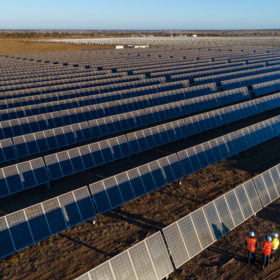
Solar holds up relatively well in the face of Covid-19, CER finds
A new report from the Clean Energy Regulator (CER) shows that the renewable energy sector in Australia has exhibited resilience with 1.3 GW of new installed capacity despite the economic challenges of the Covid-19 pandemic. While rooftop PV continued to thrive in the first three months of this year, the construction of large-scale projects was generally on track with minimal delays.
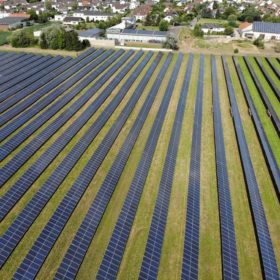
Solar costs have fallen 82% since 2010
The levelized cost of energy generated by large scale solar plants is around $0.068/kWh, compared to $0.378 ten years ago and the price fell 13.1% between 2018 and last year alone, according to figures released by the International Renewable Energy Agency.
PV plants lasting longer, with lower operational costs
Solar plants are now expected to last 32.5 years and have operational costs of $17 per kW/year, as shown by a Berkeley Lab survey of industry participants.