Will China’s ‘double carbon’ and ‘dual control’ policies drive demand for solar?
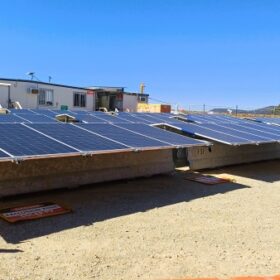
Factories suffering from rationed grid electricity could help drive a boom in on-site solar systems, and recent moves to mandate the retrofitting of PV on existing buildings could also lift the market, as analyst Frank Haugwitz explains.
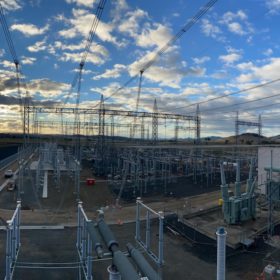
AEMC reveals final rule to shore up system strength
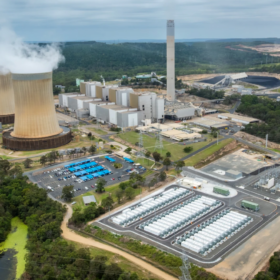
With the transformation of Australia’s power system accelerating, the Australian Energy Market Commission has unveiled a raft of reforms to improve system strength in the national grid, predicting the changes will smooth the way for new energy resources including large-solar PV and batteries to connect to the grid.
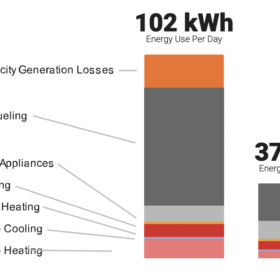
Households could save $5,443 a year and a third of national emissions by electrifying, report says
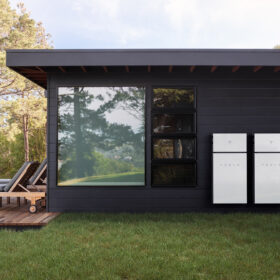
Converting all home appliances and cars to run on electricity could save Australian households $40 billion a year by 2028, according to a new report from thinktank Rewiring Australia, the work of Australian-American entrepreneur Saul Griffith.
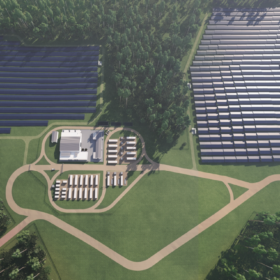
HDF to construct baseload power plant using green hydrogen, plans Australia expansion
The project includes a solar park coupled with what HDF Energy claims is the “largest green hydrogen storage of intermittent electricity sources” at 128 MWh. Importantly, the company also simultaneously announced expansion plans into Australia, saying its hydrogen technology will soon be available here, adding that it has “projects already in development for Australia”.
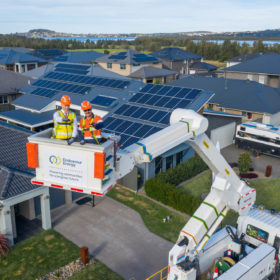
NSW unveils ‘world first’ scheme to shift electricity demand, expects saving of $1.2 billion by 2040
New South Wales households and businesses will soon be incentivised to install technologies and appliances which can operate outside peak demand times as part of a scheme the state government’s claims could save consumers $1.2 billion on electricity bills by 2040.
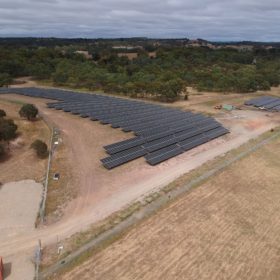
Solar energy on tap for SA water
Power and water are a classic utility couple. SA Water has switched up the relationship with another solar plant energised in its massive solar rollout that is set to save on both costs and carbon.

Large-scale renewable investment may be trending up; rooftop PV surges on!
The Clean Energy Regulator has issued its second Quarterly Carbon Market Report for the year. Despite Covid and justified investor caution on big renewable projects, indicators from small- and large-scale energy certificate accounting show steady growth.
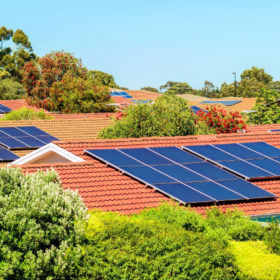
Let South Australia’s world-leading flexible solar exports trial begin!
Since July last year, SA Power Networks has been refining the technology and stakeholder engagement mechanisms that will enable dynamic solar exports to the grid, potentially ending an era of severe export limits on new customers in rooftop-solar-rich parts of the South Australian network and in other jurisdictions.
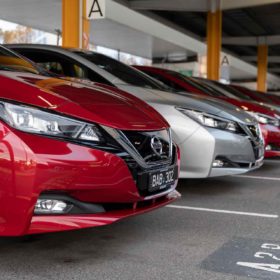
The sci-fi future of EVs: vehicles could become the grid
Electric vehicles could autonomously transport electrons between where they’re generated and where they’re needed based on algorithms and smart software, predicts JET Charge CEO Tim Washington. Such a future, he admits, is “pretty sci-fi” and still a while off.
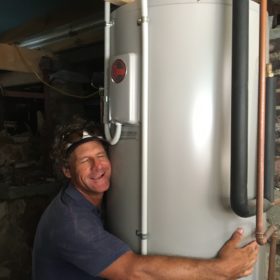
UNSW study: channelling rooftop PV into water heating is a residential super saver
Put solar in your hot water tank! Off-peak electricity rates are fast becoming an unhelpful price signal for rooftop solar owners, who benefit by self consuming their excess solar ahead of drawing electricity from the grid at any time of day.